
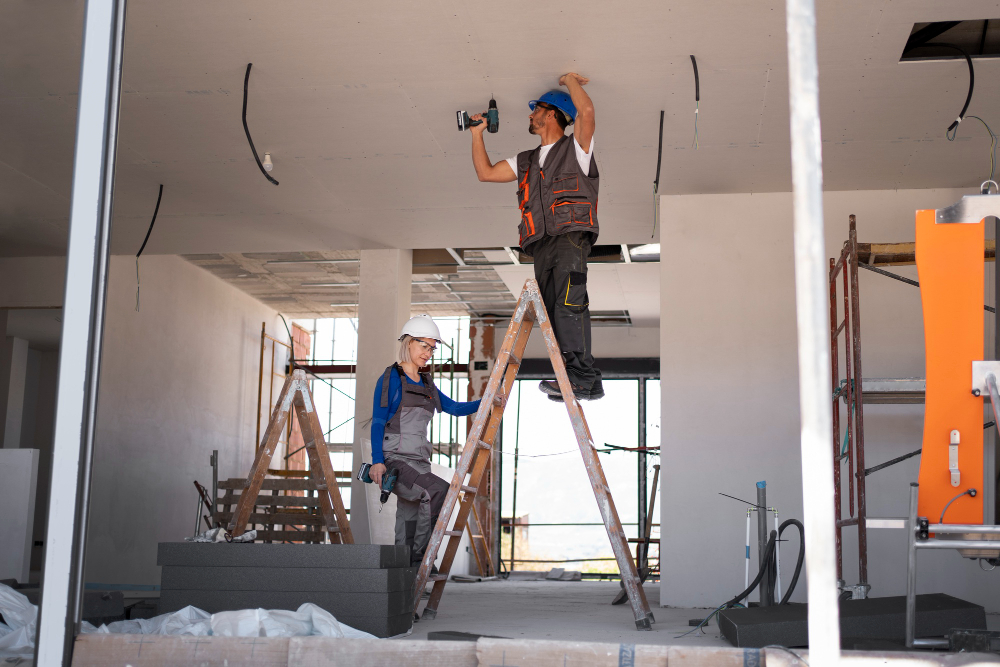
Your home’s exterior does far more than create a first impression. The siding and roofing you choose protect your property from harsh weather, improve energy efficiency, increase property value, and reduce long-term maintenance costs. In places like Alberta, where homes face freezing winters, heavy snow, wind, rain, and temperature fluctuations, selecting the right materials becomes even more important.
Many homeowners focus only on appearance when choosing siding or roofing, but durability and performance should always come first. The wrong material can lead to moisture damage, heat loss, expensive repairs, and premature replacement. On the other hand, quality siding and roofing installed correctly can protect your home for decades while also enhancing curb appeal.
Whether you are building a new home, planning a renovation, or replacing aging exterior materials, understanding your options will help you make a smarter investment. This guide covers essential tips for choosing siding and roofing that suit your home, climate, budget, and lifestyle.
Why Siding and Roofing Matter?
Siding and roofing work together as your home’s primary defense system. They shield the structure from water intrusion, snow accumulation, UV exposure, and strong winds. A well-designed exterior also helps regulate indoor temperatures, which can reduce heating and cooling costs throughout the year.
Beyond protection, exterior upgrades can significantly improve resale value. Buyers often judge a home by its exterior condition before stepping inside. Updated roofing and siding create a cleaner, more modern appearance that adds confidence and visual appeal.
If you are already planning renovations, exterior upgrades can complement other projects like kitchen remodels or layout improvements. Homeowners exploring larger upgrades often benefit from reading about latest trends in Edmonton home renovations.
Tips for Choosing the Right Siding
1. Consider Your Local Climate
Climate should be one of the first factors when selecting siding. Alberta weather can be unpredictable, with freezing winters, strong winds, hail, and hot summers. Some materials perform better in these conditions than others.
Siding that works well in mild climates may crack, warp, or deteriorate faster under extreme temperature changes. Moisture resistance is equally important because trapped water can lead to mold, rot, and structural issues.
Choose siding materials designed to handle:
- Freeze-thaw cycles
- Heavy moisture exposure
- Wind resistance
- UV protection
- Impact resistance from hail or debris
A contractor familiar with local conditions can recommend materials that offer long-term performance without excessive maintenance.
2. Compare Different Siding Materials
Every siding material comes with advantages and disadvantages. Understanding how each performs can help you choose the right balance of durability, maintenance, and appearance.
Vinyl Siding
Vinyl siding remains popular because it is affordable and available in many colors and styles. It requires relatively little maintenance and can provide a clean appearance for years.
However, lower-quality vinyl may become brittle during cold winters or fade after prolonged sun exposure. Strong winds can also loosen improperly installed panels.
Vinyl siding works best for homeowners seeking:
- Budget-friendly options
- Low maintenance
- Variety in color and style
Fiber Cement Siding
Fiber cement siding is known for exceptional durability. Made from cement, sand, and cellulose fibers, it can withstand harsh weather while resisting fire, rot, and insects.
This material often mimics the appearance of wood without requiring constant upkeep. Although installation costs may be higher initially, the long lifespan often offsets the investment over time.
Fiber cement siding is ideal for homeowners looking for:
- Superior durability
- Weather resistance
- Modern or wood-look finishes
- Long-term value
Engineered Wood Siding
Engineered wood offers the appearance of real wood with improved resistance to moisture and pests. It creates a warm, natural appearance while requiring less maintenance than traditional wood siding. Proper sealing and installation remain important to ensure longevity in colder climates.
Stucco Siding
Stucco provides excellent insulation and a distinctive appearance. It can perform well in certain environments but requires proper installation and moisture management. If not installed correctly, cracking or moisture retention can occur over time.
3. Prioritize Energy Efficiency
Energy-efficient siding can help reduce heating and cooling costs while improving indoor comfort throughout the year. Insulated siding options add an extra layer of thermal protection that minimizes heat transfer. This becomes especially valuable during Alberta winters, when energy bills can rise significantly.
When evaluating siding, consider:
- Insulation value
- Air leakage prevention
- Moisture resistance
- Compatibility with your home’s insulation system
Energy efficiency improvements often work best when combined with other renovations. Homeowners planning broader upgrades may also benefit from exploring how strategic layout changes can raise your home’s worth.
4. Think About Maintenance Requirements
Some siding materials require more upkeep than others. Wood siding, for example, may need regular painting or sealing, while vinyl and fiber cement typically require less maintenance.
Before making a decision, ask yourself:
- How much time do you want to spend on maintenance?
- Are you comfortable with periodic repainting?
- Do you want a material that only needs occasional cleaning?
Choosing low-maintenance siding can save both time and money over the years.
5. Match the Style of Your Home
Your siding should complement your home’s architectural style. The right color, texture, and profile can dramatically improve curb appeal.
For example:
- Traditional homes often pair well with lap siding
- Modern homes may benefit from clean vertical panels
- Rustic homes frequently use wood-look finishes
- Contemporary designs may combine multiple textures
Exterior finishes should also coordinate with other design elements like doors, windows, and landscaping. Homeowners updating entryways may find inspiration in this guide to best front door materials.
Tips for Choosing the Right Roofing
6. Select Roofing Materials Based on Durability
Roofing materials vary greatly in lifespan and weather resistance. Since the roof protects the entire structure, durability should be one of your top priorities.
Common roofing materials include:
Asphalt Shingles
Asphalt shingles remain one of the most common roofing materials due to affordability and versatility. They are available in various styles and colors, making them suitable for many home designs.
However, standard asphalt shingles may have shorter lifespans in regions with severe weather.
Best for:
- Budget-conscious homeowners
- Moderate weather resistance
- Traditional residential styles
Metal Roofing
Metal roofing has become increasingly popular for its longevity and durability. It handles snow, rain, wind, and temperature fluctuations extremely well.
Metal roofs can also reflect solar heat, improving energy efficiency during warmer months.
Advantages include:
- Long lifespan
- Low maintenance
- Fire resistance
- Excellent snow shedding
- Strong wind resistance
Although initial installation costs may be higher, long-term durability often makes metal roofing cost-effective.
Rubber Roofing
Rubber roofing materials offer flexibility and excellent weather resistance. These roofs expand and contract with temperature changes, reducing the likelihood of cracking. Rubber roofing can be particularly effective in climates with significant seasonal variation.
7. Pay Attention to Roof Lifespan
Different roofing systems last for different lengths of time. Understanding expected lifespan helps homeowners make better long-term investments.
Approximate lifespans:
- Asphalt shingles: 15–30 years
- Metal roofing: 40–70 years
- Fiber cement roofing: 30–50 years
- Rubber roofing: 40–50 years
While lower-cost materials may seem attractive initially, frequent replacement can increase long-term expenses.
8. Consider Snow and Water Management
In Alberta, snow accumulation and ice buildup can create major roofing challenges. Your roofing system should efficiently direct water away from the structure to prevent leaks and moisture damage.
Important features include:
- Proper roof slope
- Durable flashing
- Ice and water shield protection
- Effective gutter systems
- Ventilation systems that reduce ice dams
Ignoring these factors can lead to structural deterioration and interior water damage. Homeowners dealing with existing moisture concerns may also benefit from reading how to handle water damage in your Sherwood Park home.
9. Focus on Proper Ventilation
Roof ventilation is often overlooked but plays a critical role in maintaining roof health and energy efficiency.
Proper ventilation helps:
- Prevent moisture buildup
- Reduce attic heat accumulation
- Extend roof lifespan
- Improve indoor comfort
- Lower energy costs
Without proper airflow, trapped moisture can damage insulation, wood framing, and roofing materials over time.
10. Choose Colors Carefully
Roof and siding colors affect both curb appeal and energy efficiency. Lighter roofing colors tend to reflect sunlight and reduce heat absorption, while darker colors may absorb more heat during warmer months.
When selecting colors:
- Coordinate roofing with siding tones
- Consider neighborhood aesthetics
- Think about resale appeal
- Avoid overly trendy combinations that may age quickly
Neutral and timeless color palettes often provide the best long-term value.
Why Professional Installation Matters?
Even the highest-quality siding and roofing materials can fail if installation is poor. Improper installation often leads to:
- Moisture intrusion
- Warping or cracking
- Premature wear
- Structural issues
- Reduced energy efficiency
Professional contractors understand how to prepare surfaces, install moisture barriers, manage ventilation, and ensure weather-resistant sealing. Experienced installers also help homeowners navigate local building codes, warranties, and product recommendations.
If you are already planning home upgrades, working with a trusted renovation contractor can help coordinate projects efficiently. Homeowners often benefit from understanding why hiring a local renovation contractor matters.
Balancing Budget and Long-Term Value
Choosing siding and roofing is a major financial decision. While it may be tempting to focus only on upfront costs, long-term value matters more.
Higher-quality materials may:
- Last longer
- Require fewer repairs
- Improve energy efficiency
- Increase resale value
- Reduce maintenance costs
A cheaper option that needs replacement sooner may ultimately cost more over time.
The best approach is finding a balance between:
- Initial investment
- Durability
- Maintenance needs
- Appearance
- Warranty protection
Signs It May Be Time to Replace Your Siding or Roof
Many homeowners wait too long before replacing exterior materials. Recognizing early warning signs can help prevent more serious damage.
Signs Your Siding Needs Replacement
- Cracks or warping
- Fading or peeling
- Mold or mildew growth
- Moisture damage inside walls
- Increased energy bills
- Loose or missing panels
Homeowners noticing exterior deterioration may also find useful advice in signs your home’s exterior needs a fresh coat of paint.
Signs Your Roof Needs Replacement
- Missing shingles
- Water leaks
- Sagging areas
- Granule loss
- Moss growth
- Frequent repairs
- Ice dam formation
Addressing these issues early can prevent costly structural damage.
Final Thoughts
Choosing the right siding and roofing for your home involves much more than appearance. These exterior systems protect your property, improve energy efficiency, and contribute to long-term home value. By carefully evaluating climate conditions, material durability, maintenance requirements, and installation quality, homeowners can make decisions that provide lasting benefits.
Whether you prefer affordable vinyl siding, durable fiber cement, classic asphalt shingles, or long-lasting metal roofing, selecting materials suited to Alberta’s weather is essential. Working with experienced professionals ensures proper installation and helps avoid costly mistakes down the road.
A well-planned exterior upgrade not only improves curb appeal but also creates a safer, more efficient, and more comfortable home for years to come. Ready to upgrade your home’s exterior? Contact Bakir Contracting today for expert guidance on choosing durable, stylish siding and roofing solutions tailored to your home and Alberta’s climate.

0 Comments