Best Material for Front Doors: A Complete Guide by Bakir Contracting

front door

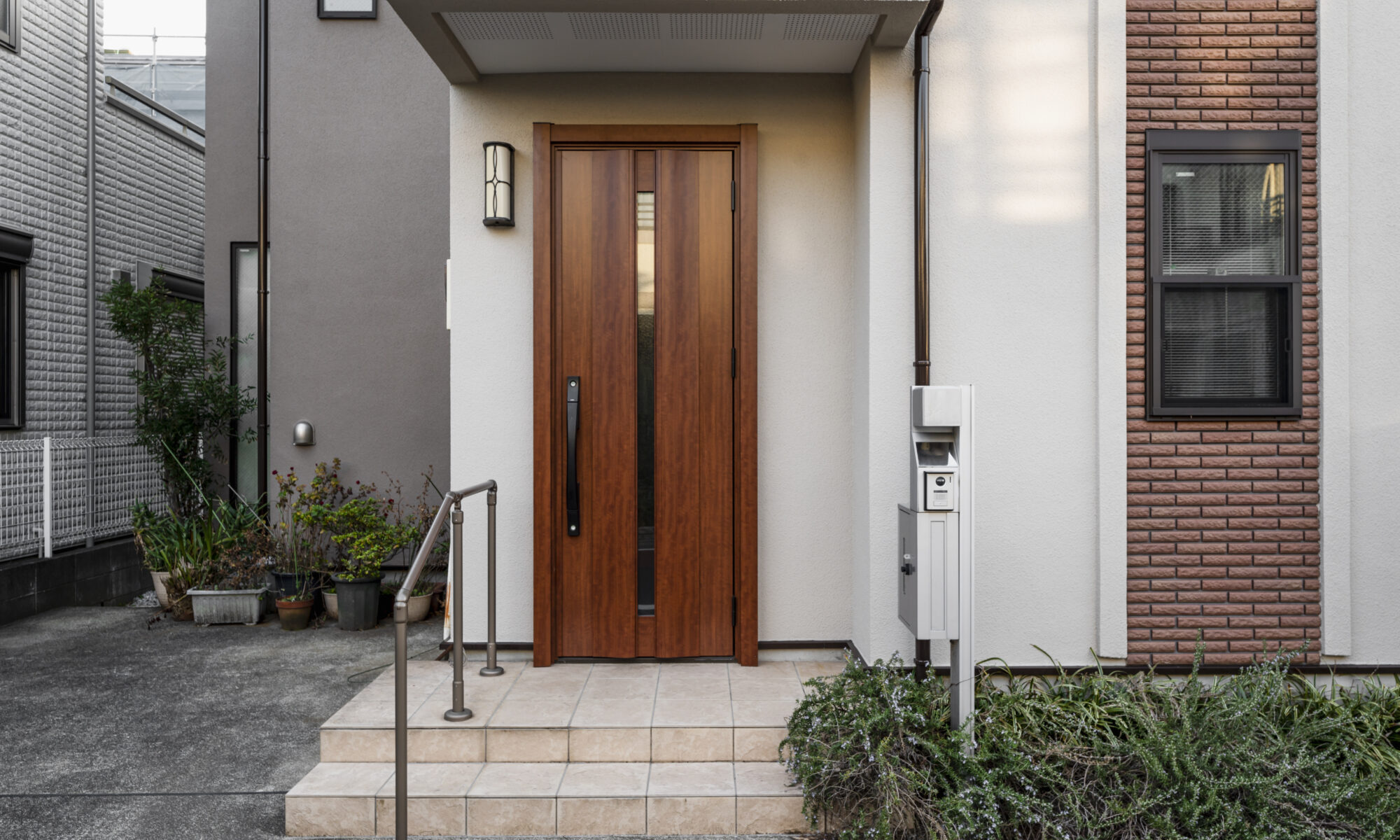
Your front door is more than just an entry point it’s the focal point of your home’s exterior. It sets the tone for your property, enhances security, improves energy efficiency, and plays a major role in curb appeal. Yet many homeowners overlook its importance until drafts, fading, or security concerns force a replacement.

At Bakir Contracting, we’ve helped countless homeowners upgrade their entrances with doors that combine beauty, durability, and performance. If you’re wondering what the best material for front doors is, the honest answer is: it depends on your priorities.

In this comprehensive guide, we’ll break down the most popular front door materials fiberglass, steel, wood, and glass-paneled designs along with their advantages, drawbacks, and ideal applications. We’ll also cover the key factors you should consider before making your investment.

Why Choosing the Right Front Door Material Matters?

Your front door impacts:

  • Home security

  • Energy efficiency

  • Maintenance requirements

  • Long-term durability

  • Property value

  • Overall aesthetic

The right material can last decades. The wrong choice can lead to warping, rusting, fading, or constant maintenance.

Let’s explore your options in detail.

1. Fiberglass Front Doors

Fiberglass has quickly become one of the most popular choices for modern homeowners and for good reason.

How Fiberglass Doors Are Built

Fiberglass doors typically consist of:

  • Two molded fiberglass skins

  • An insulated foam core (usually polyurethane)

  • Reinforced internal framing

This structure makes them strong, energy-efficient, and resistant to environmental damage.

Advantages of Fiberglass Doors

1. Excellent Energy Efficiency
The insulated foam core dramatically reduces heat transfer. Compared to solid wood doors, fiberglass doors can offer significantly better thermal performance.

2. Weather Resistant
Fiberglass does not warp, rot, or swell due to moisture. It performs exceptionally well in humid climates, areas with temperature swings, and heavy rainfall.

3. Low Maintenance
Unlike wood, fiberglass doesn’t require routine sanding, staining, or refinishing. Occasional cleaning is usually enough.

4. Realistic Wood Appearance
Modern manufacturing allows fiberglass doors to mimic real wood grain textures. You can enjoy the elegance of wood without the maintenance burden.

5. Wide Design Options
Available in various colors, stains, decorative glass inserts, sidelights, and panel configurations.

Drawbacks of Fiberglass Doors

  • Higher upfront cost compared to basic steel doors

  • Can be more challenging to trim or modify during installation

Best For

  • Homeowners who want a wood look without the upkeep

  • Harsh or humid climates

  • Busy households with heavy daily traffic

  • Energy-conscious homeowners

For many properties, fiberglass offers the best balance of beauty, durability, and performance.

2. Steel Front Doors

When security is a top priority, steel doors are often the go-to choice.

Construction Overview

Steel entry doors usually feature:

  • A steel outer skin

  • A foam-insulated core

  • Reinforced lock areas

  • Internal wood or composite frames

The thickness of steel is measured by gauge lower gauge numbers indicate thicker steel.

Advantages of Steel Doors

1. Superior Security
Steel doors are extremely strong and resistant to forced entry when paired with quality locks and reinforced frames.

2. Energy Efficient
Like fiberglass, steel doors are foam-filled, improving insulation performance.

3. Affordable
They are generally more budget-friendly than solid wood and high-end fiberglass models.

4. Low Maintenance
Steel won’t crack or warp like wood.

Drawbacks of Steel Doors

  • Can dent if struck with force

  • Scratches may expose metal to rust if not properly finished

  • Less authentic appearance compared to real wood

Best For

  • Homes requiring enhanced security

  • Budget-conscious renovations

  • Rental properties

  • Modern-style homes

Steel doors are practical, reliable, and cost-effective especially when security is a major concern.

3. Wood Front Doors

Few materials match the warmth and charm of natural wood. Wood doors have been used for centuries and remain a favorite for traditional homes.

Common Wood Types

  • Mahogany

  • Oak

  • Fir

  • Maple

  • Pine

Each wood species offers unique grain patterns, colors, and durability levels.

Advantages of Wood Doors

1. Timeless Beauty
Nothing replicates the richness of real wood. It enhances curb appeal and creates a premium look.

2. Customizable
Wood doors can be carved, stained, painted, or refinished to suit any architectural style.

3. Naturally Insulating
Wood provides moderate insulation due to its density.

4. Repairable
Scratches and dents can often be sanded and refinished.

Drawbacks of Wood Doors

  • Requires regular maintenance

  • Susceptible to warping, cracking, and rot if exposed to moisture

  • Typically more expensive (especially solid hardwood)

Best For

  • Traditional and historic homes

  • Sheltered entryways (porches, overhangs)

  • Homeowners who value craftsmanship and natural materials

If your entry is protected from direct rain and sun exposure, wood can be a stunning long-term investment.

4. Glass-Paneled Front Doors

Glass elements can be incorporated into fiberglass, steel, or wood doors. These doors can include:

  • Full-length glass panels

  • Decorative inserts

  • Frosted or privacy glass

  • Sidelights and transoms

Advantages of Glass-Paneled Doors

1. Increased Natural Light
Brightens your entryway and creates a welcoming feel.

2. Enhanced Curb Appeal
Decorative glass can dramatically elevate the design.

3. Customization Options
Available in clear, frosted, textured, stained, and Low-E insulated glass.

4. Energy Improvements with Low-E Glass
Low-emissivity coatings help reduce heat transfer and improve efficiency.

Drawbacks

  • Reduced privacy (unless using frosted or decorative glass)

  • Perceived security concerns

Security Considerations

For improved safety:

  • Choose tempered or laminated safety glass

  • Install reinforced locking systems

  • Consider smart locks and security systems

Best For

  • Homes lacking natural light

  • Modern and contemporary designs

  • Homeowners seeking decorative impact

Glass does not have to compromise security or efficiency if properly designed.

Key Factors to Consider Before Choosing

Choosing the best material for your front door involves more than just appearance. Here are the four most important considerations.

1. Installation Complexity

Some materials are easier to install than others.

  • Fiberglass doors can be difficult to modify on-site.

  • Steel doors are typically straightforward.

  • Wood may require precision fitting and sealing.

Professional installation ensures proper sealing, alignment, and long-term performance.

2. Budget

General cost comparison (from lowest to highest):

  1. Steel (basic models)

  2. Fiberglass

  3. Engineered wood

  4. Solid hardwood

While wood may have a higher upfront cost, fiberglass and steel often provide better long-term value due to lower maintenance and energy savings.

3. Energy Efficiency

Energy efficiency is measured by U-factor lower numbers indicate better insulation.

In general:

  • Insulated steel and fiberglass perform best

  • Solid wood performs moderately

  • Doors with large single-pane glass areas perform worst

Look for:

  • Energy Star certifications

  • Insulated cores

  • Proper weatherstripping

  • Low-E glass if including windows

A high-quality insulated door can reduce heating and cooling costs significantly.

4. Security

Security varies by material:

  • Most secure: Steel

  • Very secure: Fiberglass

  • Moderate: Solid wood

  • Variable: Glass-paneled designs

Remember that door security also depends heavily on:

  • Frame strength

  • Lock quality

  • Deadbolt type

  • Installation accuracy

A reinforced frame with a quality deadbolt often matters more than material alone.

Climate Considerations

Your local climate should influence your choice.

Humid or rainy areas:
Fiberglass performs best due to moisture resistance.

Cold climates:
Insulated steel or fiberglass minimizes heat loss.

Hot, sunny climates:
Fiberglass resists fading and expansion better than wood.

Coastal environments:
Fiberglass resists salt corrosion better than steel.

So, What Is the Best Material for Front Doors?

There isn’t one universal answer.

  • Want low maintenance and high energy efficiency? → Fiberglass

  • Prioritizing security? → Steel

  • Love traditional elegance? → Wood

  • Want more light and design impact? → Glass-paneled designs

The best material depends on your:

  • Budget

  • Climate

  • Security needs

  • Style preferences

  • Willingness to maintain

Why Professional Installation Matters?

Even the highest-quality door can underperform if poorly installed. Air leaks, misalignment, and improper sealing reduce energy efficiency and security.

At Bakir Contracting, we ensure:

  • Proper frame alignment

  • Tight weather sealing

  • Secure hardware installation

  • Clean, professional finishing

Our goal is not just to install a door but to enhance your home’s performance and appearance for decades.

Final Thoughts

Your front door is one of the most important upgrades you can make to your home. It protects your family, improves energy efficiency, and creates a lasting first impression. Fiberglass offers versatility and durability. Steel delivers unmatched security. Wood brings timeless beauty. Glass elements add brightness and elegance. The best choice is the one that aligns with your lifestyle and long-term goals.

If you’re considering a front door replacement and want expert guidance, contact Bakir Contracting, we are here to help you choose the perfect material and ensure flawless installation.

FAQs

1. What is the best material for a front door?

A. There is no single “best” material for every home. Fiberglass is ideal for low maintenance and energy efficiency, steel is best for enhanced security, and wood offers timeless beauty and customization. The right choice depends on your climate, budget, and design preferences.

2. Are fiberglass front doors better than wood?

A. Fiberglass doors are generally more durable and require less maintenance than wood. They resist warping, cracking, and moisture damage, making them a better option for harsh climates. However, wood doors offer unmatched natural beauty and are ideal for traditional or historic homes.

3. Are steel front doors secure?

A. Yes, steel doors are among the most secure front door options available. When combined with a reinforced frame and high-quality deadbolt, they provide excellent resistance against forced entry.

4. Which front door material is most energy-efficient?

A. Insulated fiberglass and steel doors typically offer the best energy efficiency. They feature foam cores that reduce heat transfer, helping lower heating and cooling costs. Doors with proper weatherstripping and Low-E glass inserts also improve insulation.

5. Do wood front doors require a lot of maintenance?

A. Yes, wood doors require regular maintenance to protect against moisture, sun exposure, and temperature changes. This may include periodic sanding, staining, sealing, or repainting to prevent warping, cracking, or rot.

6. Are glass front doors safe?

A. Glass-paneled front doors can be safe when built with tempered or laminated safety glass. Adding reinforced locks and quality hardware further improves security. Frosted or decorative glass options also enhance privacy without sacrificing light.

7. How long do front doors typically last?

A. With proper installation and maintenance:

  • Fiberglass doors can last 20–30+ years

  • Steel doors can last 20–30 years

  • Wood doors can last decades with regular upkeep

Professional installation significantly impacts lifespan and performance.

8. Does a new front door increase home value?

A. Yes, replacing your front door can improve curb appeal, energy efficiency, and security all of which contribute to higher property value. It’s considered one of the top home improvement projects for return on investment.
How to Match Countertops with Flooring: Creating a Cohesive Design

kitchen countertop

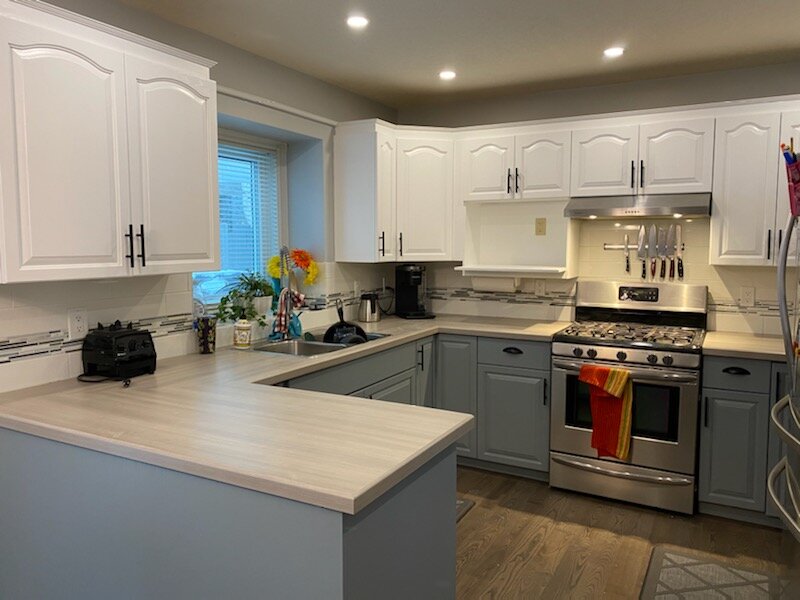
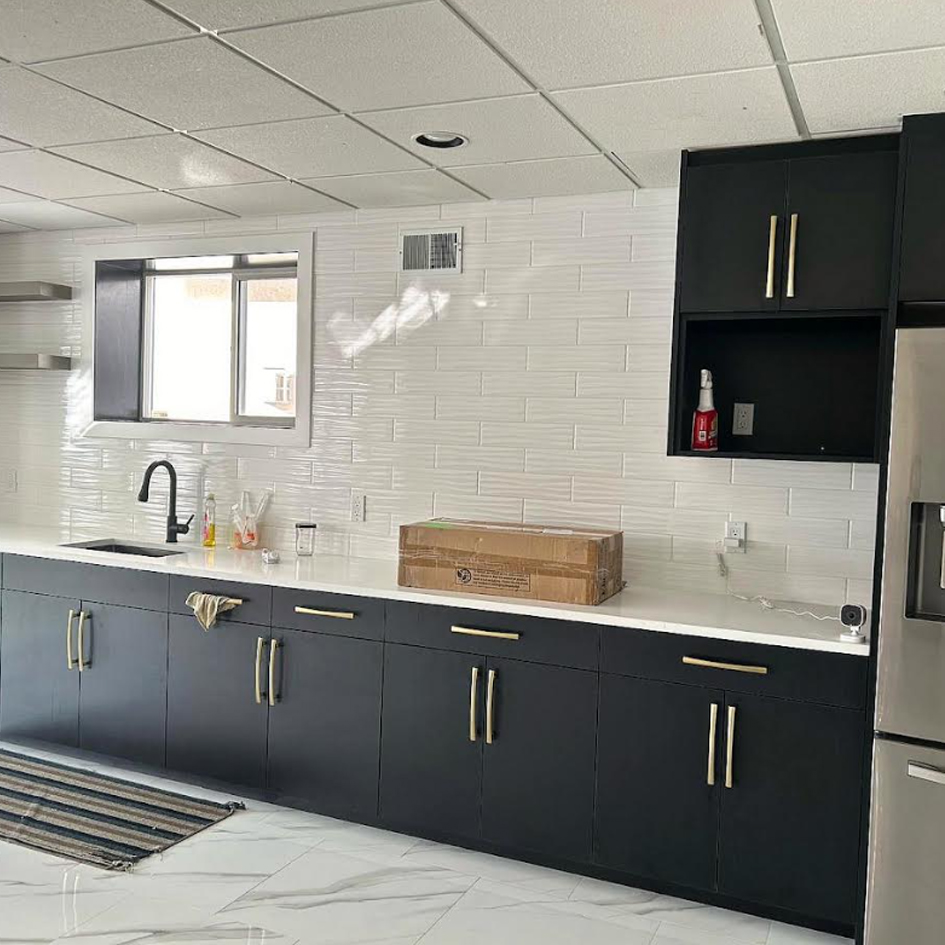
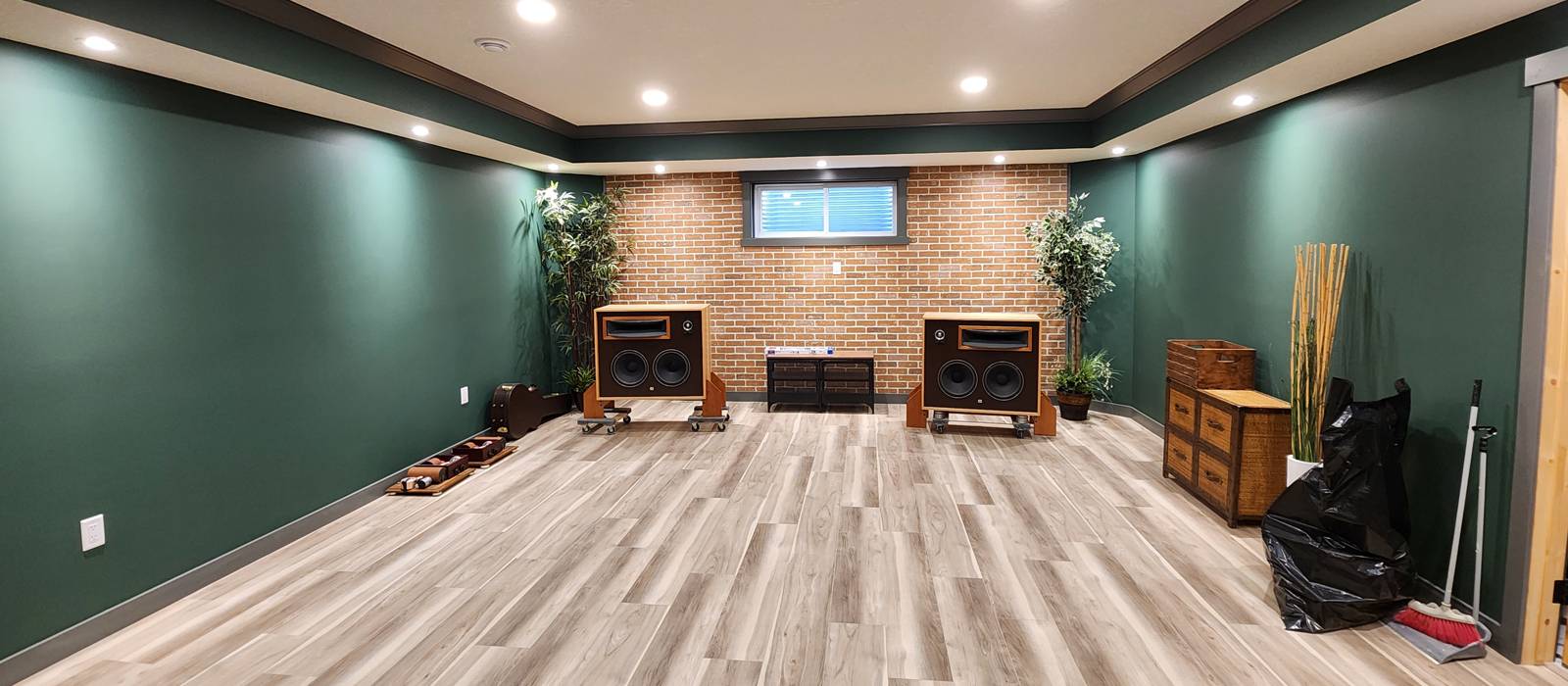
When planning a renovation or new build, homeowners often choose countertops and flooring separately. While each element may look great on its own, the real magic happens when they work together. Matching countertops with flooring is one of the most important design decisions you can make it directly affects the flow, balance, and overall feel of your space.

At Bakir Contracting, we help homeowners across Alberta create interiors that feel intentional, functional, and visually cohesive. Whether you’re upgrading your kitchen, bathroom, or entire home, understanding how countertops and flooring interact will help you avoid costly design mistakes and achieve a timeless result.

In this guide, we’ll walk you through everything you need to know about pairing countertops with flooring—from color and texture to room-specific tips and professional insights.

Why Coordinating Countertops and Flooring Matters?

Countertops and flooring are two of the largest visual surfaces in any room. When they clash, the space can feel disjointed or overwhelming. When they complement each other, the room feels polished, balanced, and thoughtfully designed.

A cohesive pairing can:

  • Create visual flow between rooms

  • Enhance natural light

  • Make spaces feel larger and more inviting

  • Increase overall home value

  • Improve long-term satisfaction with your renovation

This is especially important in open-concept layouts, where kitchens, dining areas, and living spaces flow together. If you’re considering a full kitchen upgrade, our guide on the process of kitchen remodeling explains why early design coordination is key to success.

Key Factors to Consider When Matching Countertops and Flooring

1. Establishing the Right Color Palette

Color is the foundation of a cohesive design. Start by deciding whether you want a harmonious or high-contrast look.

Complementary color schemes work well for creating calm, balanced spaces. For example:

  • Warm wood flooring paired with beige, cream, or soft gray countertops

  • Cool gray flooring matched with white or lightly veined quartz

Contrasting combinations add drama and definition:

  • Dark floors with light countertops create visual separation

  • Light floors with bold or dark countertops draw attention upward

Always consider undertones—warm, cool, or neutral. Matching undertones prevents colors from clashing, even when they’re different shades.

If you’re still exploring flooring options, our article on laminate flooring and what makes it an ideal choice for homes explains how color variation and realism impact overall design.

2. Balancing Texture and Pattern

Texture plays a major role in how a room feels—not just how it looks.

  • Smooth countertops (quartz, polished granite) pair beautifully with textured floors like hardwood or stone.

  • Subtle countertop patterns work best with simpler flooring to avoid visual overload.

  • Bold veining or dramatic stone should be balanced with understated floors.

A good rule of thumb:
If one surface is visually busy, let the other stay calm.

This balance is particularly important in kitchens, where multiple materials compete for attention. For inspiration, explore innovative kitchen renovation ideas to transform your home.

3. Aligning Style and Design Aesthetic

Your home’s architectural style should guide your material choices.

Modern & contemporary homes

  • Large-format tile or polished concrete floors

  • Solid-color quartz or minimal-vein countertops

Traditional or transitional homes

  • Hardwood or wood-look flooring

  • Granite or natural stone countertops

Rustic or farmhouse designs

  • Wide-plank wood or distressed flooring

  • Warm stone or butcher-block style counters

Consistency in style creates a sense of intention. Mixing ultra-modern countertops with rustic flooring can feel disconnected unless done very carefully with professional guidance.

If you’re updating multiple spaces, our post on latest trends in Edmonton home renovations highlights how homeowners are blending styles while maintaining cohesion.

4. Considering Lighting and Natural Exposure

Lighting dramatically changes how materials appear throughout the day.

  • Dark countertops can feel heavier in low-light rooms

  • Glossy floors reflect light but may create glare

  • Natural light can soften strong contrasts

Always view samples in the actual space where they’ll be installed. What looks perfect in a showroom may appear completely different in your home.

Lighting considerations are also crucial in bathrooms. If you’re planning one, check out tips for planning your perfect bathroom renovation for design and layout insights.

Matching Countertops with Different Flooring Types

Hardwood Flooring

Hardwood floors bring warmth and character, making them incredibly versatile.

Best pairings include:

  • Natural stone countertops for timeless elegance

  • Quartz countertops for a modern twist

  • Lighter countertops to balance darker wood tones

Avoid matching wood floors with wood-grain countertops—it can feel repetitive rather than cohesive.

Tile Flooring

Tile flooring is durable and ideal for kitchens and bathrooms.

Design tips:

  • Pair tile floors with quartz or granite countertops for durability

  • Coordinate grout color with countertop tones for a seamless look

  • Use contrast carefully—patterned tile works best with simpler counters

If you’re choosing tile for kitchen use, our guide on what kind of flooring is best for a kitchen can help narrow your options.

Vinyl Flooring

Modern vinyl flooring offers impressive style flexibility.

Why it works well:

  • Available in wood, stone, and concrete looks

  • Pairs easily with quartz, laminate, or solid-surface countertops

  • Budget-friendly without sacrificing aesthetics

For a deeper look, read vinyl flooring in St. Albert: a complete guide.

Carpeted Areas

While less common in kitchens, carpet may border open spaces.

Best practices:

  • Stick to neutral countertops

  • Avoid busy patterns that compete with carpet texture

  • Use solid surfaces to maintain visual clarity

Smooth transitions between rooms help maintain flow in open-concept homes.

Transform Your Home with Bakir Contracting

Matching countertops with flooring isn’t just about aesthetics—it’s about creating a home that feels balanced, comfortable, and intentional. With the right guidance, materials, and planning, your space can look cohesive today and remain timeless for years to come.

At Bakir Contracting, we specialize in flooring, countertops, kitchen renovations, and full-home transformations across Alberta. Whether you’re upgrading one room or planning a complete remodel, our team is here to guide you every step of the way.

Explore more ideas in transform your home with Bakir Contracting or reach out today to start your next project with confidence.

Conclusion

Matching countertops with flooring is one of the most impactful decisions you’ll make when designing or renovating your home. When these elements are thoughtfully coordinated, they create visual harmony, enhance functionality, and elevate the overall look and feel of your space. By carefully considering color palettes, textures, lighting, and your home’s architectural style, you can achieve a design that feels cohesive, timeless, and uniquely yours.

Whether you’re planning a kitchen remodel, bathroom upgrade, or a full home renovation, professional guidance makes all the difference. Bakir Contracting brings experience, craftsmanship, and attention to detail to every project—ensuring your countertops and flooring work together beautifully from day one.

Contact Bakir Contracting today to discuss your renovation goals and discover how our expert team can help you create a cohesive, stylish, and functional home you’ll love for years to come.

FAQs

1. Should countertops and flooring be the same color?

A. No, countertops and flooring do not need to be the same color. In fact, using different but complementary colors often creates a more balanced and visually appealing design. The key is matching undertones—warm with warm or cool with cool—to maintain harmony.

2. What comes first when designing a space: countertops or flooring?

A. Typically, flooring is chosen first because it covers a larger area and sets the overall tone of the space. Countertops can then be selected to complement the flooring, cabinetry, and wall colors.

3. Can dark countertops work with dark flooring?

A. Yes, but careful planning is essential. To avoid a heavy or closed-in feel, ensure the space has ample lighting and lighter elements such as cabinets, backsplashes, or walls to balance the darker surfaces.

4. How do I match countertops and flooring in an open-concept layout?

A. Consistency is key in open-concept homes. Use the same or similar flooring throughout connected areas and choose countertops that complement the flooring while coordinating with cabinetry and fixtures for a seamless flow.

5. What countertop material works best with vinyl flooring?

A. Quartz, solid-surface, and laminate countertops pair exceptionally well with vinyl flooring. Matching undertones between the two materials helps create a cohesive and modern appearance.

6. Should patterns be used on both countertops and flooring?

A. It’s best to limit bold patterns to one surface. If your countertop has dramatic veining or patterns, opt for simpler flooring. This balance prevents the space from feeling visually overwhelming.

7. Why should I work with a professional contractor?

A. A professional contractor helps you avoid costly mistakes, ensures materials work well together, and delivers a polished finish. Experienced teams like Bakir Contracting provide expert advice, proper installation, and efficient project management from start to finish.

Laminate Flooring: What Makes It an Ideal Choice for Homes?

hall flooring

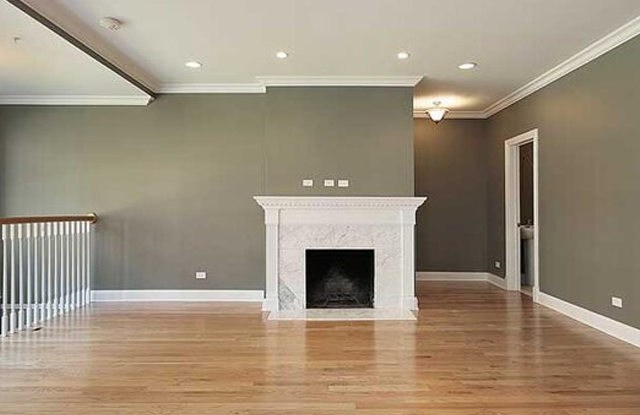
Flooring plays a much bigger role in a home than many homeowners initially realize. It affects not only how a space looks, but also how it feels, functions, and holds up over time. With so many flooring materials available today hardwood, tile, vinyl, carpet, and more it can be challenging to decide which option strikes the right balance between beauty, durability, and cost.

One flooring solution that continues to grow in popularity among homeowners across Alberta is laminate flooring. Thanks to advancements in manufacturing, laminate has evolved into a stylish, practical, and budget-friendly option that works well in a wide variety of homes. Whether you’re renovating a single room or upgrading your entire house, laminate flooring offers a compelling combination of performance and design flexibility.

In this guide, we’ll take a closer look at what laminate flooring is, how it’s made, and why it has become such an ideal choice for modern homes. We’ll also explore where it works best, how it compares to other flooring types, and what to consider before installation.

Understanding Laminate Flooring

Laminate flooring is a multi-layered synthetic product designed to replicate the appearance of natural materials such as hardwood, stone, or tile. Unlike solid wood flooring, laminate is engineered for consistency, stability, and durability qualities that are especially important in busy households.

The Layers That Make Laminate Flooring Strong

Laminate flooring typically consists of four core layers, each serving a specific purpose:

1. Wear Layer
The topmost layer is a clear, protective coating that shields the floor from scratches, stains, fading, and everyday wear. This is what makes laminate particularly well-suited for high-traffic areas like living rooms, hallways, and family spaces.

2. Design Layer
Beneath the wear layer is a high-resolution photographic layer. This is where laminate truly shines. Modern printing technology allows laminate planks to closely mimic the grain patterns, textures, and colors of real wood or stone.

3. Core Layer
The core is usually made from high-density fiberboard (HDF), which provides structural strength and impact resistance. This layer gives laminate its solid feel underfoot while offering better dimensional stability than many natural materials.

4. Backing Layer
The bottom layer adds stability and helps protect against moisture from below. It also prevents warping and contributes to the floor’s overall durability.

Together, these layers create a flooring system that is attractive, tough, and dependable.

Why Laminate Flooring Is a Smart Choice for Homeowners

Laminate flooring offers several advantages that make it an ideal option for homeowners who want both style and practicality.

Cost-Effective Without Compromising Style

One of the biggest reasons homeowners choose laminate flooring is affordability. Laminate delivers the look of hardwood or stone at a fraction of the cost, making it an excellent choice for renovations where budget matters.

For homeowners planning large-scale upgrades such as full home renovations or open-concept remodels laminate flooring helps control costs without sacrificing visual impact. This makes it especially appealing when paired with other renovation projects like kitchen or bathroom upgrades.

If you’re weighing flooring options for renovation-heavy areas, you may also find it helpful to explore what kind of flooring works best for kitchens, where durability and moisture resistance are key considerations.

Durable Enough for Busy Homes

Laminate flooring is designed to withstand the realities of everyday life. It resists:

  • Scratches from pets and furniture

  • Dents from dropped items

  • Fading caused by sunlight

  • General wear from foot traffic

This makes it an excellent choice for families with children, pet owners, and homeowners who want long-lasting flooring without constant upkeep.

Compared to traditional hardwood, laminate is far more forgiving in high-use spaces, making it a practical solution for living rooms, bedrooms, and even finished basements.

Design Versatility That Fits Any Home Style

One of laminate flooring’s greatest strengths is its versatility. No matter your interior design preference, there’s likely a laminate option that fits your vision.

Wide Range of Looks and Finishes

Laminate flooring is available in styles that mimic:

  • Classic oak, maple, or walnut hardwood

  • Rustic reclaimed wood

  • Modern grey or whitewashed planks

  • Stone or tile-inspired textures

This flexibility allows homeowners to match their flooring seamlessly with cabinetry, wall finishes, and décor choices especially in spaces undergoing major renovations.

If your project includes flooring upgrades alongside cabinetry and layout changes, laminate pairs well with modern renovation concepts discussed in kitchen remodeling processes and planning.

Consistent Appearance Throughout the Home

Unlike natural wood, which can vary significantly from plank to plank, laminate offers a more consistent look. This uniformity is ideal for open-concept layouts, where continuity between rooms helps create a cohesive and polished appearance.

Easy Installation and Faster Project Timelines

Laminate flooring is known for its efficient installation process, which can save both time and labor costs.

Click-Lock Technology

Most laminate products feature a click-lock or floating floor system. This means planks lock together without nails or glue and sit above the subfloor rather than being permanently attached.

Benefits of this system include:

  • Faster installation timelines

  • Minimal disruption to the home

  • Easier replacement of individual planks if needed

For homeowners coordinating flooring installation alongside other renovations such as drywall work or wall finishing this efficiency can be a major advantage. Proper preparation is essential, especially when floors meet newly finished walls or ceilings, as outlined in guide on preparing homes for drywall installation.

Low Maintenance for Everyday Living

Another major reason laminate flooring is ideal for homes is how easy it is to maintain.

Simple Cleaning Routine

Laminate floors require minimal effort to keep them looking great:

  • Regular sweeping or vacuuming removes dirt and debris

  • Occasional damp mopping handles spills and light stains

  • No waxing, polishing, or refinishing required

This makes laminate an excellent option for homeowners who want stylish floors without high maintenance demands.

Long-Lasting Appearance

With proper care, laminate flooring maintains its appearance for many years. Protective pads under furniture, prompt cleanup of spills, and basic cleaning habits go a long way in preserving its finish.

Moisture Resistance and Where Laminate Works Best

Laminate flooring offers moderate moisture resistance, which makes it suitable for many but not all areas of the home.

Ideal Areas for Laminate Flooring

Laminate performs especially well in:

  • Living rooms

  • Bedrooms

  • Home offices

  • Dining areas

  • Hallways

Some newer laminate products are designed with enhanced water resistance, making them suitable for kitchens and entryways when installed correctly.

For spaces with higher moisture exposure, homeowners often compare laminate to alternatives like vinyl flooring. If you’re considering both, this complete guide to vinyl flooring can help clarify the differences.

Areas to Avoid (or Approach Carefully)

Traditional laminate is not recommended for:

  • Full bathrooms

  • Laundry rooms with frequent standing water

  • Areas prone to flooding

In such spaces, water-resistant or waterproof flooring options may be a better fit.

Comfort and Sound Considerations

Laminate flooring is designed for performance, but comfort also plays an important role.

Underlayment Makes a Difference

A quality underlayment installed beneath laminate flooring provides:

  • Improved sound absorption

  • Added comfort underfoot

  • Better moisture protection

This is especially important in multi-level homes or condos, where noise reduction between floors matters.

Environmentally Conscious Flooring Choice

Modern laminate flooring has become increasingly eco-friendly.

Sustainable Manufacturing Practices

Many manufacturers now use:

  • Recycled wood fibers

  • Low-VOC adhesives and finishes

  • Certified sustainable sourcing

This helps reduce environmental impact while maintaining indoor air quality an important consideration for families and allergy-sensitive homeowners.

Laminate Flooring vs. Other Flooring Options

When comparing laminate to other flooring materials, its balanced performance becomes clear.

  • Vs. Hardwood: More affordable, easier to maintain, and more resistant to scratches

  • Vs. Carpet: Cleaner, more durable, and better for allergy-friendly homes

  • Vs. Tile: Warmer underfoot and easier to install

  • Vs. Vinyl: Slightly less water-resistant but often offers a more natural wood appearance

Each option has its place, but laminate stands out for homeowners seeking versatility and value.

Common Mistakes to Avoid with Laminate Flooring

Even a high-quality floor can underperform if installed or used incorrectly. Some common mistakes include:

  • Skipping expansion gaps around walls

  • Installing laminate over uneven subfloors

  • Using excessive water during cleaning

  • Choosing the wrong underlayment

Avoiding these pitfalls is part of ensuring long-term success much like avoiding costly errors in other home improvement projects. Homeowners planning renovations may find it helpful to review common renovation mistakes to steer clear of issues that impact both flooring and overall results.

Why Professional Installation Matters?

While laminate flooring can be DIY-friendly, professional installation ensures:

  • Proper subfloor preparation

  • Correct expansion spacing

  • Seamless transitions between rooms

  • A polished, long-lasting finish

Experienced contractors understand how flooring integrates with walls, trim, and other renovation elements, delivering results that look great and perform well over time.

Final Thoughts

Laminate flooring continues to be a top choice for homeowners because it successfully balances affordability, durability, and design flexibility. Its ability to mimic natural materials, resist everyday wear, and adapt to a wide range of interior styles makes it an excellent option for modern living.

Whether you’re upgrading a single room or planning a full renovation, laminate flooring offers a practical and attractive solution that fits today’s lifestyles. With the right product selection and professional installation, it can enhance your home’s comfort, value, and visual appeal for years to come.

If you’re exploring flooring upgrades as part of a larger renovation, working with experienced professionals ensures every detail from subfloor preparation to final finishes is handled with care and precision.

Frequently Asked Questions About Laminate Flooring

1. What is laminate flooring made of?

A. Laminate flooring is made of multiple layers, including a protective wear layer, a high-resolution design layer, a durable high-density fiberboard (HDF) core, and a stabilizing backing layer. Together, these layers create a strong, visually appealing flooring option that mimics natural materials like hardwood or stone.

2. Is laminate flooring durable enough for busy households?

A. Yes, laminate flooring is highly durable and designed to withstand everyday wear and tear. It resists scratches, dents, and fading, making it an excellent choice for homes with children, pets, and high foot traffic areas.

3. Can laminate flooring look like real hardwood?

A. Absolutely. Modern laminate flooring uses advanced imaging technology to closely replicate the look and texture of real hardwood, stone, or tile. Many options are so realistic that it’s difficult to tell the difference at first glance.

4. Is laminate flooring waterproof?

A. Standard laminate flooring is moisture-resistant but not fully waterproof. While it can handle minor spills if cleaned promptly, it’s not recommended for areas with frequent standing water unless you choose a water-resistant or waterproof laminate product.

5. Where can laminate flooring be installed in a home?

A. Laminate flooring works well in living rooms, bedrooms, dining areas, hallways, and home offices. Some water-resistant laminate options are also suitable for kitchens and entryways when properly installed.

6. How easy is laminate flooring to maintain?

A. Laminate flooring is very low maintenance. Regular sweeping or vacuuming and occasional damp mopping are usually enough to keep it clean. It doesn’t require waxing, polishing, or refinishing like traditional hardwood floors.

7. Does laminate flooring need professional installation?

A. While laminate flooring can be installed as a DIY project, professional installation is recommended for the best results. Professionals ensure proper subfloor preparation, correct expansion gaps, and a seamless finish that helps extend the life of the flooring.

8. How long does laminate flooring typically last?

A. With proper installation and care, laminate flooring can last 15–25 years or more, depending on the quality of the product and the level of foot traffic in the home.

9. Is laminate flooring a good option for renovations?

A. Yes, laminate flooring is an excellent choice for renovations due to its affordability, quick installation, and wide range of design options. It allows homeowners to refresh their space without significantly increasing renovation costs.

10. Is laminate flooring environmentally friendly?

A. Many modern laminate flooring products are made using recycled materials and low-VOC finishes. When sourced responsibly, laminate can be a more environmentally conscious flooring option compared to some traditional materials.

Why Glenora Homeowners Are Choosing Custom Renovations Over Cookie-Cutter Fixes

Introduction: Beyond Basic Glenora Demands More

Glenora, one of Edmonton’s most prestigious and architecturally rich neighborhoods, is home to residents who expect more than the average. Increasingly, Glenora homeowners are turning to custom renovations instead of settling for generic, one-size-fits-all remodels. Whether it’s restoring historic charm or creating a personalized modern living space, tailored home renovations in Edmonton are redefining what luxury living looks like in this iconic area.

1. Cookie-Cutter Fixes Fall Short in a Neighborhood Like Glenora

Generic renovations often ignore the uniqueness of each home and in Glenora, that uniqueness is everything. From century-old character homes to luxury infills, Glenora home remodeling requires a thoughtful, custom approach.

Why cookie-cutter doesn’t work:

  • Ignores architectural integrity of older homes

  • Often mismatched with neighborhood aesthetics

  • Limits personalization and long-term satisfaction

“After using a big-box contractor years ago, we knew we needed a more custom, detail-oriented team for our second renovation. Bakir nailed it.”
Catherine M., Glenora homeowner

2. Custom Renovations Reflect Personal Taste and Lifestyle

Homeowners in Glenora aren’t just upgrading for resale—they’re investing in their daily living experience. Custom renovations offer flexibility that allows clients to express their design vision while integrating practical lifestyle needs.

Common Glenora customization requests:

  • Home offices with hidden storage

  • Spa-inspired bathrooms

  • Chef-grade kitchens with heritage finishes

  • Seamless indoor-outdoor living transitions

Pro Tip: Integrating personalized features can significantly increase home value while enhancing your lifestyle.

3. Custom Renovations Offer Long-Term Value in Glenora

Generic remodels may cut upfront costs, but they often cost more in the long run due to:

  • Poor material choices

  • Incompatible designs

  • Lower ROI at resale

By contrast, custom renovations in Glenora offer:

  • Premium material selection

  • Architecturally aligned updates

  • Greater buyer appeal (should you ever sell)

“We designed with resale in mind, but honestly, now we never want to leave!”
Jordan S., Glenora renovation client

4. The Glenora Standard: What Makes Tailored Renovations a Must

Living in Glenora means living up to a certain aesthetic and build quality. Tailored renovations aren’t just about beauty—they’re about preserving the character of the community while updating for modern needs.

Working with a Glenora-Savvy Contractor Matters

At Bakir Contracting, we understand Glenora’s permit requirements, zoning limitations, and architectural values. We ensure that every renovation:

  • Meets municipal standards

  • Blends with Glenora’s streetscape

  • Reflects your individual vision

Conclusion: Tailored Renovation is the New Standard in Glenora

In Glenora, homes are more than property—they’re legacy. Custom renovations in Glenora ensure your space reflects your taste, meets your needs, and respects the integrity of the neighborhood. Don’t settle for less than exceptional.

Drywall Repairs

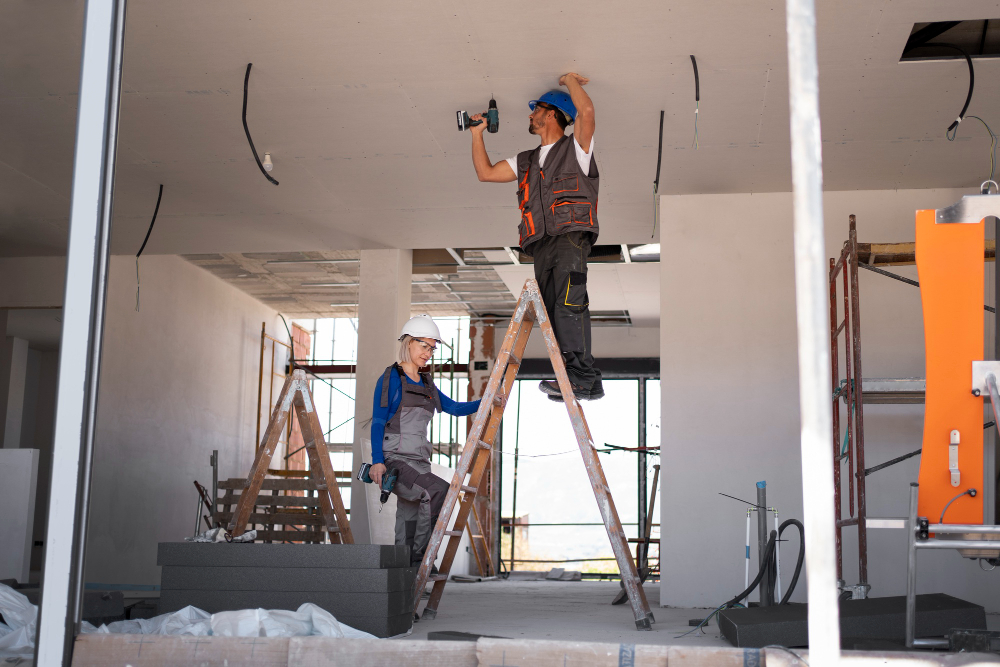
Need to fix holes, cracks, or water damage? Our drywall repair services restore your walls to their original condition. Whether it’s a small hole from a nail or larger damage caused by water or accidents, we provide seamless repairs that blend perfectly with your existing walls. We ensure the repaired areas are virtually indistinguishable from the rest of the surface.

For unique design needs, we offer custom drywall solutions. From arched ceilings to textured finishes, we can create the look you envision. No project is too intricate for our team, and we’ll tailor our drywall work to match your specific style and design preferences.

Why Choose Us for Basement Development?

  • Expert Design & Planning: We work with you to understand your vision, creating a design that maximizes space and functionality.

  • Skilled Tradespeople: Our team includes trusted experts in plumbing, electrical, framing, flooring, drywall, and more, all working together for the best results.

  • On-Time & On-Budget: We are committed to delivering your project on schedule and within budget, with no surprises along the way.

  • End-to-End Project Management: From concept to completion, we handle every aspect of your renovation, ensuring everything goes according to plan.

Create the Space You’ve Always Wanted

Don’t let your basement go to waste—turn it into an incredible living area that adds value to your home. Whether it’s a finished basement, a functional living space, or a complete transformation, we’re ready to bring your vision to life.

Contact Us Today
Ready to start your basement development or home renovation project? Reach out to us for a consultation and get expert advice, a detailed plan, and a competitive quote. Let Bakir Contracting handle your next big renovation project!