How Long Does It Take to Install a Replacement Door?

door installation

Replacing a door might seem like a simple home improvement project, but the timeline can vary depending on several important factors. Whether you’re upgrading your front entry for better curb appeal, installing new patio doors, or replacing an interior door as part of a renovation, understanding the installation timeframe helps you plan properly and avoid surprises.

At Bakir Contracting, we often get asked: “How long will it take to install my new door?” The short answer is that most standard door replacements take between 2 to 6 hours, while more complex projects can take a full day or longer. However, the real answer depends on the type of door, the condition of your existing frame, customization, and additional features.

In this comprehensive guide, we’ll break down everything you need to know about door replacement timelines and what to expect before, during, and after installation.

Average Time to Install Different Types of Doors

Every door type has its own level of complexity. Here’s a general idea of how long each may take:

  • Interior door replacement: 1–3 hours

  • Standard exterior door replacement: 2–4 hours

  • Sliding patio door installation: 4–6 hours

  • French or double door installation: 5–8 hours

  • Storm or security door: 2–3 hours

These estimates assume the existing frame is in good condition and no structural changes are required.

If you’re still deciding whether professional installation is necessary, we recommend reading our detailed guide on What Should You Know About Professional Door Installations?

Factors That Affect Door Installation Time

1. Type of Door

The style and function of the door play a major role in determining installation time.

Front Entry Doors

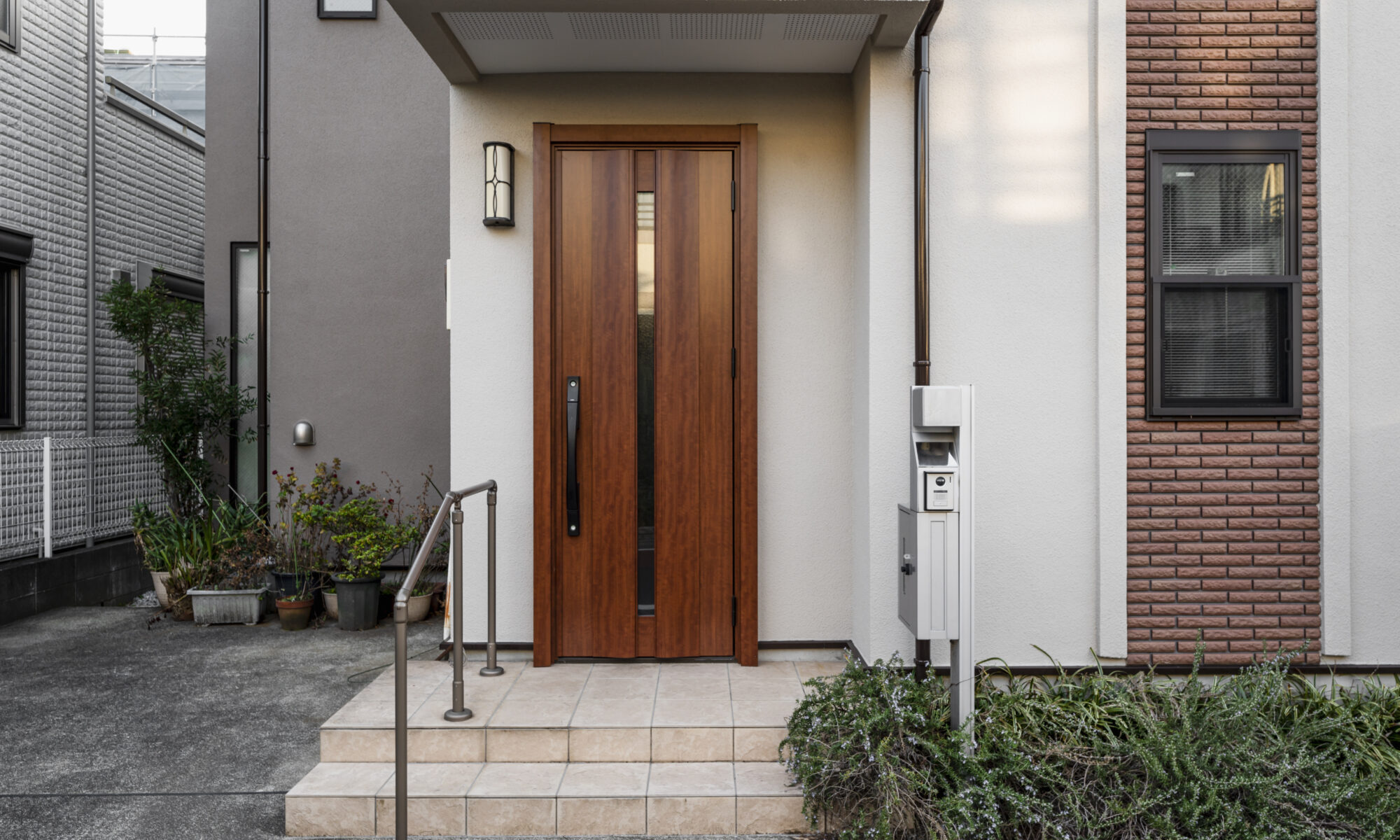
A standard front door replacement typically takes 2–4 hours. However, if you’re upgrading to a heavier insulated door, adding sidelights, or installing decorative glass panels, additional time will be needed.

Because exterior doors directly impact your home’s insulation, it’s important to ensure proper sealing. If you’re thinking about improving overall efficiency, our blog on Why Proper Insulation Should Be Your Next Home Renovation Priority provides valuable insights.

Interior Doors

Interior doors are generally faster to install, especially if they are pre-hung and match existing openings. However, if part of a layout modification, the project can become more complex.

For example, if you’re changing the floor plan during a remodel, you may need structural adjustments. Learn more about how layout updates impact your home in How Strategic Layout Changes Can Raise Your Home’s Worth.

Sliding Patio Doors

Sliding doors require precise leveling and track alignment. The glass panels are heavy and must operate smoothly without gaps. Installation typically takes 4–6 hours but can extend if the frame or track requires repair.

If your project includes exterior upgrades alongside door replacement, you may also want to review Signs Your Home’s Exterior Needs a Fresh Coat of Paint

French and Double Doors

French doors demand careful alignment between both panels. Decorative glass, custom sizing, and additional trim work can extend installation to 5–8 hours or more.

Because finishing details are critical in these installations, professional finishing carpentry services ensure the trim, casing, and final detailing look seamless.

2. Condition of the Existing Frame

If your current frame is square, structurally sound, and free from rot or water damage, installation will be faster.

However, issues such as:

  • Warped wood

  • Water damage

  • Mold

  • Structural shifting

can add 1–3 extra hours or more to the project.

Water damage is particularly common around entryways. If you suspect moisture issues, read How to Handle Water Damage in Your Sherwood Park Home: A Complete Guide before beginning your project.

3. Custom vs. Standard Door Sizes

Standard doors are easier and faster to install because they fit typical openings. Custom doors often require:

  • Adjusting the rough opening

  • Reframing

  • Reinforcing structural supports

  • Additional leveling

Custom installations may add 1–2 hours or even more depending on complexity.

If you’re planning broader home improvements alongside a custom door upgrade, explore How to Plan Your 2025 Home Makeover with Bakir Contracting – Expert Insights and Budget Tips

4. Structural Changes

If you’re enlarging a doorway, converting a window into a door, or relocating an entry point, installation becomes a larger renovation project.

This may involve:

  • Framing adjustments

  • Drywall installation

  • Insulation upgrades

  • Painting

  • Trim finishing

Preparation is key in these scenarios. Before drywall work begins, read How to Prepare Your Home for Drywall Installation.

What Happens on Installation Day?

Understanding the process helps set realistic expectations.

Step 1: Removing the Old Door (30–60 Minutes)

The old door, trim, and hardware are removed carefully. The frame and rough opening are inspected for hidden issues.

Protective coverings are used to minimize dust and debris.

Step 2: Frame Preparation (30–90 Minutes)

Installers ensure the frame is:

  • Level

  • Plumb

  • Structurally stable

  • Properly insulated

Any minor repairs are completed before installing the new unit.

Step 3: Installing the New Door (1–3 Hours)

The new door is positioned, shimmed, leveled, and secured. Hardware is installed, and operation is thoroughly tested.

Precision is essential to avoid future air leaks or alignment issues.

Step 4: Finishing and Trim Work (1–2 Hours)

This is where professional finishing carpentry services make a significant difference. Clean trim installation, proper sealing, and detailed finishing elevate the final look.

If painting is required after installation, you may also find guidance in Signs Your Home’s Exterior Needs a Fresh Coat of Paint (linked above).

Step 5: Final Inspection and Cleanup (30–60 Minutes)

The final stage includes:

  • Testing locks and latches

  • Checking weatherstripping

  • Inspecting seals

  • Cleaning the workspace

A reputable contractor ensures everything is operating flawlessly before completing the project.

The Importance of Finishing Carpentry Services

A door installation isn’t complete without proper finishing details. Trim alignment, caulking, casing, and final adjustments are what transform a functional installation into a polished result.

Professional finishing carpentry services ensure:

  • Seamless trim transitions

  • Tight seals

  • Clean edges

  • Professional-grade detailing

These final touches enhance both the aesthetic and performance of your new door.

Final Thoughts

For most homeowners, a straightforward door replacement takes half a day or less. More complex projects especially those involving custom sizes, structural modifications, or detailed finishing carpentry services may take a full day or longer.

The timeline ultimately depends on:

  • Door type

  • Frame condition

  • Structural changes

  • Added features

  • Weather conditions

  • Finishing requirements

When handled by experienced professionals, the process is efficient, organized, and minimally disruptive.

If you’re ready to upgrade your interior or exterior doors, Bakir Contracting is here to help with expert installation, precise finishing carpentry services, and seamless project coordination.

Contact us today to schedule your consultation and receive a clear, customized timeline for your door replacement project.

FAQs

1. How long does it take to install a standard replacement door?

A. Standard door replacement typically takes 2 to 4 hours if the existing frame is in good condition and no structural changes are required. Interior doors may take less time, while larger exterior doors can take longer.

2. How long does it take to install an interior door?

A. Interior doors usually take 1 to 3 hours, depending on whether it’s a slab replacement or a pre-hung door. If adjustments to the frame or trim are needed, additional time may be required.

3. How long does it take to install a front entry door?

A. Front door installations generally take 2 to 4 hours. However, if you are upgrading to a heavier insulated door, adding sidelights, or replacing the frame, the process may take up to a full day.

4. How long does it take to install sliding or patio doors?

A. Sliding or patio door installations typically take 4 to 6 hours due to their size, weight, and alignment requirements. Structural adjustments or track repairs may extend the timeline.

5. What factors can delay door installation?

A. Several factors can increase installation time, including:

  • Damaged or rotted frames

  • Structural modifications

  • Custom-sized doors

  • Weather conditions (for exterior doors)

  • Additional features like smart locks or decorative glass

6. Can multiple doors be installed in one day?

A. Yes, multiple interior doors can often be installed in a single day. However, complex exterior or custom door installations may require additional time.

7. Does weather affect exterior door installation?

A. Yes. In colder climates like Alberta, extreme weather conditions can impact sealing and insulation work. Professional installers take precautions, but severe weather may require rescheduling.

8. Is it faster to hire a professional for door installation?

A. Absolutely. Professional contractors have the tools, experience, and expertise to complete installations efficiently and correctly the first time, preventing costly delays or future repairs.

9. Will replacing a door damage my walls or flooring?

A. When handled professionally, door replacement should not damage surrounding areas. Protective coverings are used, and any minor drywall or trim adjustments are addressed as part of the finishing process.

10. Why are finishing carpentry services important during door installation?

A. Finishing carpentry services ensure the trim, casing, and detailing around the door look clean and seamless. Proper finishing not only improves appearance but also enhances insulation and durability.

Why Paneled Dishwashers Are Trending

paneled dishwashers

In modern kitchen design, luxury is no longer defined by flashy finishes or oversized appliances. Today, true sophistication lies in subtle details the elements that quietly elevate a space without demanding attention. One of the most talked-about upgrades in contemporary kitchens is the paneled dishwasher.

At first glance, it may seem like a small design decision. But in reality, paneled dishwashers are reshaping how homeowners approach kitchen aesthetics. For those investing in kitchen remodeling services in Edmonton, this hidden luxury has become a top request and for good reason.

Let’s explore why paneled dishwashers are trending and how they can transform your kitchen from beautiful to breathtaking.

What Is a Paneled Dishwasher?

A paneled (or panel-ready) dishwasher is designed to blend seamlessly with your cabinetry. Instead of a visible stainless-steel or black appliance front, a custom cabinet panel is installed on the dishwasher door. The result? The dishwasher visually disappears into your kitchen design.

Unlike traditional appliances that interrupt cabinetry lines, paneled dishwashers create a continuous surface. When closed, they look like just another cabinet offering a sleek, cohesive aesthetic that aligns perfectly with modern renovation trends.

This approach fits beautifully with the design philosophy discussed in our blog on The Process of Kitchen Remodeling, where careful planning and detail-driven choices make all the difference.

Why Paneled Dishwashers Are Trending in 2026?

1. Seamless Visual Flow

Modern kitchens prioritize clean lines and uninterrupted surfaces. When you eliminate the visual break caused by a metallic appliance front, the entire room feels calmer and more refined.

By integrating your dishwasher into the cabinetry, you create:

  • Visual harmony

  • Enhanced symmetry

  • A custom-built appearance

  • A minimalist finish

In open-concept homes common throughout Edmonton this cohesive look is especially impactful.

2. Elevated Luxury Without Flash

Luxury kitchens used to rely heavily on stainless steel. While stainless appliances still have their place, homeowners are increasingly choosing understated elegance.

Paneled dishwashers offer:

  • Designer appeal

  • Custom craftsmanship

  • Tailored finishes

  • Subtle sophistication

Instead of showcasing appliances, the focus shifts to cabinetry, countertops, and layout elements that truly define high-end kitchens.

If you’re exploring ideas, our blog on Innovative Kitchen Renovation Ideas to Transform Your Home.

3. A More Spacious Feel

Visual clutter can make even large kitchens feel busy. By concealing major appliances, paneled dishwashers contribute to a more expansive appearance.

When surfaces are uninterrupted, your eye moves smoothly across the room. This optical trick:

  • Makes smaller kitchens appear larger

  • Enhances open-concept designs

  • Improves overall balance

4. Increased Home Value

Homebuyers today are drawn to kitchens that feel custom and thoughtfully designed. Paneled appliances signal attention to detail and premium craftsmanship.

High-quality renovations especially those completed through professional kitchen remodeling services in Sherwood Park can significantly boost resale appeal.

Avoiding costly design missteps is equally important. If you’re planning a remodel, review Biggest Home Renovation Mistakes Alberta Homeowners Should Avoid to ensure every detail adds value rather than regret.

Design Flexibility: A Major Advantage

Paneled dishwashers adapt to virtually any kitchen style:

  • Modern flat-panel cabinetry

  • Classic Shaker designs

  • Transitional kitchens

  • Traditional detailed millwork

  • Scandinavian minimalism

This flexibility is particularly valuable in Edmonton, where homes range from contemporary builds to heritage properties. With a paneled dishwasher, you can maintain architectural integrity while enjoying modern functionality.

Matching Materials for a Cohesive Look

A paneled dishwasher works best when it’s part of a fully coordinated design plan. This includes:

  • Cabinet finishes

  • Countertops

  • Flooring

  • Backsplash

  • Hardware

For example, pairing warm wood cabinets with complementary flooring is essential. Our blog on How to Match Countertops with Flooring: Creating a Cohesive Design provides guidance on achieving harmony across materials.

Flooring choices also play a role. Learn more in:

When every element works together, your paneled dishwasher becomes part of a seamless masterpiece.

Are Paneled Dishwashers Practical?

Absolutely. Modern panel-ready dishwashers offer the same performance and efficiency as traditional models. Many feature:

  • Quiet operation

  • Energy-efficient cycles

  • Smart controls

  • Hidden top-panel displays

Some homeowners worry about functionality, but these appliances are designed specifically for custom integration.

Considerations Before Installing a Paneled Dishwasher

While highly desirable, this upgrade requires thoughtful planning.

1. Cabinet Customization

Your cabinetry must be designed to accommodate panel-ready appliances. This isn’t a last-minute decision it should be included in early design stages.

2. Budget Planning

Paneled dishwashers typically cost more than standard models. However, they contribute significantly to perceived luxury.

Smart budgeting strategies are covered in How to Plan Your 2025 Home Makeover with Bakir Contracting: Expert Insights and Budget Tips.

3. Professional Installation

Improper alignment can affect performance and appearance. Working with experienced professionals ensures:

  • Perfect cabinet fit

  • Proper ventilation

  • Long-term durability

Paneled Appliances Beyond Dishwashers

While dishwashers are the most popular paneled appliance, homeowners are increasingly integrating:

  • Refrigerators

  • Beverage coolers

  • Freezers

This approach creates a fully integrated kitchen wall that feels custom-built.

Why Edmonton Homeowners Love This Trend?

In Edmonton, kitchens often serve as gathering hubs during long winters. Creating a warm, inviting, and visually pleasing environment matters more than ever.

Paneled dishwashers fit perfectly within this movement toward:

  • Minimalism

  • Warm textures

  • Intentional design

  • Functional beauty

Transform Your Kitchen with Bakir Contracting

At Bakir Contracting, we believe luxury lies in the details. Whether it’s a paneled dishwasher, custom cabinetry, strategic layout updates, or premium flooring, our team delivers thoughtful craftsmanship from start to finish.

From design planning to final installation, we ensure your kitchen renovation aligns with your vision, lifestyle, and long-term goals.

If you’re ready to explore how a paneled dishwasher or a complete kitchen upgrade can elevate your home, contact Bakir Contracting today. Let’s create a kitchen that blends beauty, functionality, and timeless appeal.

FAQs

1. Are paneled dishwashers more expensive than standard models?
Yes, they typically cost more due to custom panels and specialized installation, but they add long-term aesthetic value.

2. Do paneled dishwashers perform as well as regular ones?
Absolutely. Performance depends on the appliance brand, not the exterior finish.

3. Can I retrofit a paneled dishwasher into my existing kitchen?
In some cases, yes but cabinet modifications may be required.

4. Are paneled appliances difficult to maintain?
No. Maintenance is similar to standard dishwashers, though cabinet panels should be cleaned like your other cabinetry.

5. Do paneled dishwashers increase resale value?
They can enhance perceived luxury and attract buyers looking for high-end finishes.

Benefits of Hiring Professional Painters vs. DIY

red wall

A fresh coat of paint can completely transform your home. Whether you’re refreshing a single room, updating your home’s exterior, or preparing your property for sale, painting has the power to elevate both style and value. But when it comes time to start, homeowners often face a big decision: Should you tackle the project yourself or hire professional painters?

While DIY painting might seem like a cost-saving option at first glance, the reality is often very different. Between preparation, tools, materials, time investment, and the risk of costly mistakes, a seemingly simple paint job can quickly become overwhelming.

In this guide, we’ll break down the real benefits of hiring professional painters versus going the DIY route so you can make the best decision for your home and your budget.

Painting Is More Than Just Applying Color

Many homeowners assume painting is as simple as buying a few cans of paint and rolling it onto the wall. In reality, professional painting is a detailed, multi-step process that requires experience and precision.

Proper surface preparation is crucial. This includes:

  • Repairing cracks and holes

  • Sanding uneven areas

  • Cleaning surfaces thoroughly

  • Priming where necessary

  • Protecting floors, trim, and fixtures

If preparation is skipped or rushed, even the most expensive paint won’t deliver lasting results. In fact, issues like peeling, bubbling, or uneven coverage often stem from poor prep work not the paint itself.

For example, if your walls have imperfections, proper drywall work is essential before painting. This is why understanding the importance of professional drywall taping for perfect wall finishes can make a huge difference in the final outcome.

Professional painters ensure every detail is handled before the first coat even goes on.

1. Superior, Long-Lasting Results

One of the most significant advantages of hiring professionals is the quality of the finish. Experienced painters understand:

  • How to achieve smooth, even coverage

  • The right techniques for edges and trim

  • Proper drying times between coats

  • The best products for specific surfaces

DIY projects often result in visible roller marks, drips, uneven sheen, or missed spots. These issues may not be obvious immediately but over time, they become noticeable and may require repainting sooner than expected.

A professionally completed paint job not only looks better but also lasts longer. When properly applied, high-quality paint can protect walls and exteriors for years. This is especially important for exterior painting in Edmonton, where harsh winters, snow, and fluctuating temperatures can quickly damage improperly applied paint.

Professionals know which paints perform best in Edmonton’s climate, helping ensure durability and protection year-round.

2. Time Savings and Efficiency

Painting always takes longer than expected especially for homeowners balancing work, family, and other responsibilities.

Consider everything involved:

  • Moving furniture

  • Covering floors

  • Repairing surfaces

  • Taping edges

  • Applying multiple coats

  • Cleaning up afterward

What seems like a weekend project can stretch into weeks.

Professional painters work efficiently because painting is what they do every day. They arrive with the right tools, a clear plan, and a team that knows how to divide tasks effectively. This means your project is completed on schedule without disrupting your routine.

If you’ve ever taken on a home improvement project only to regret the time commitment, you’re not alone. Many homeowners underestimate the workload, which is why proper planning like we discuss in how to plan your 2025 home makeover with Bakir Contracting is so important.

When you hire professionals, you’re not just paying for labor you’re investing in your time and peace of mind.

3. Expert Product Knowledge

Not all paints are created equal. There are different formulas for:

  • Interior vs. exterior use

  • High-moisture areas like bathrooms

  • High-traffic spaces

  • Wood, drywall, brick, or stucco surfaces

Choosing the wrong product can lead to premature wear, staining, or peeling.

Professional painters understand:

  • Which finishes (matte, satin, semi-gloss) work best in specific areas

  • How lighting affects color perception

  • Which primers are necessary

  • Which brands provide long-term durability

In Alberta, where seasonal changes can be extreme, product selection is especially critical for exterior painting in Edmonton. The wrong paint type can crack under freezing temperatures or fade quickly in summer sun.

DIY painters often rely on guesswork or in-store advice, which may not account for the unique conditions of your property.

4. Proper Surface Preparation

Surface preparation is often the most overlooked step in DIY painting. Yet it’s the most important.

Before painting begins, professionals:

  • Inspect for water damage

  • Repair drywall or replace damaged sections

  • Sand and smooth uneven surfaces

  • Address mold or mildew issues

  • Prime surfaces properly

If your walls show signs of deeper structural issues, simply painting over them won’t solve the problem. In some cases, drywall replacement may be necessary. Our guide on why drywall replacement matters explains how proper repairs ensure long-lasting results.

Skipping preparation might save time upfront but it often leads to repainting far sooner than expected.

5. Safety and Risk Reduction

Painting isn’t always a low-risk activity especially for exterior or high-ceiling projects.

DIY risks include:

  • Falls from ladders

  • Improper handling of tools

  • Exposure to strong fumes

  • Inadequate ventilation

Exterior painting in Edmonton can be particularly challenging due to weather conditions and multi-story homes. Professionals are trained in safe ladder use, scaffolding setup, and proper protective measures.

They also carry insurance, offering protection in the unlikely event of accidents or damage. Safety should never be compromised to save a few dollars.

6. Clean, Stress-Free Experience

Painting is messy. From drips and splatters to dust from sanding, the process can quickly turn chaotic.

Professionals:

  • Protect floors and furniture

  • Tape clean, sharp edges

  • Contain dust and debris

  • Handle full cleanup after completion

This level of organization minimizes disruption to your home.

If you’ve previously taken on renovations and felt overwhelmed, you may appreciate the value of experienced coordination. Our article on how Bakir Contracting ensures seamless project management for your home explains how structured processes eliminate unnecessary stress.

With professionals, you get results without the chaos.

7. Increased Property Value

A high-quality paint job enhances curb appeal and interior appeal alike.

Fresh paint can:

  • Modernize outdated spaces

  • Increase resale value

  • Impress potential buyers

  • Protect siding from environmental damage

If you’re planning to sell, professional painting is one of the most cost-effective ways to increase buyer interest.

For exteriors in particular, quality matters. Visible flaws can raise red flags for buyers, who may assume other renovations were also done poorly.

When painting is part of a broader renovation strategy, it works best alongside thoughtful upgrades like those discussed in how strategic layout changes can raise your home’s worth.

8. Avoiding Costly Mistakes

DIY painting can sometimes cost more than hiring professionals especially if errors require rework.

Common DIY mistakes include:

  • Buying too little or too much paint

  • Using the wrong tools

  • Skipping primer

  • Applying coats too thick or too thin

  • Poor color selection

Correcting these mistakes often involves purchasing additional materials or hiring professionals afterward to fix the job.

Professional painters get it right the first time, preventing unnecessary expenses and frustration.

9. Consistent Results Across the Entire Home

If your project involves multiple rooms or the entire exterior, consistency is key.

Color matching, finish uniformity, and seamless transitions between spaces require skill. Professionals ensure:

  • Even coverage throughout

  • Uniform texture

  • Clean lines between colors

  • Consistent sheen

This level of cohesion elevates your home’s overall appearance.

10. Climate Expertise for Edmonton Homes

Edmonton’s climate presents unique challenges:

  • Cold winters

  • Freeze-thaw cycles

  • Heavy snowfall

  • Moisture exposure

Professional painters understand how these factors impact paint performance. For exterior painting in Edmonton, proper timing, surface prep, and product selection are critical to preventing cracking, blistering, or premature wear.

DIY projects often fail because homeowners underestimate the impact of weather conditions on curing and durability.

11. Professional Accountability

When you hire experienced painters, you receive:

  • Clear timelines

  • Transparent estimates

  • Quality guarantees

  • Professional communication

DIY projects rely entirely on your availability and learning curve. If something goes wrong, there’s no warranty to fall back on. Working with an established contractor provides reassurance that the job will meet professional standards.

Conclusion

Choosing between DIY painting and hiring professional painters ultimately comes down to quality, time, safety, and long-term value. While taking the do-it-yourself route may seem cost-effective at first, the reality is that professional expertise delivers smoother finishes, better durability, and far fewer headaches. From proper surface preparation and premium product selection to clean execution and climate-appropriate solutions for exterior painting in Edmonton, experienced painters ensure your investment truly pays off.

A professionally completed paint job does more than improve appearance it protects your home, enhances property value, and creates a polished look that lasts for years. Instead of spending weekends on ladders, troubleshooting uneven coverage, or worrying about costly mistakes, you can enjoy a seamless, stress-free experience and beautiful results.

If you’re ready to refresh your interior spaces or upgrade your home’s exterior, contact Bakir Contracting today. Our experienced team is committed to delivering high-quality craftsmanship, clear communication, and dependable service from start to finish. Let us bring your vision to life with professional painting solutions tailored to your Edmonton home.

FAQs

1. Is hiring professional painters really worth the cost?
A. Yes. While DIY painting may appear cheaper upfront, professional painters provide long-lasting results, proper surface preparation, and expert application. This reduces the risk of costly mistakes, premature repainting, and material waste ultimately saving money over time.

2. How long does a professional painting project usually take?
A. The timeline depends on the size and condition of the space. A single room may take a day or two, while a full interior or exterior project can take several days. Professionals work efficiently and provide a clear timeline before starting, so you know what to expect.

3. What makes professional painting better than DIY?
A. Professional painters have the right tools, training, and experience to ensure smooth finishes, clean lines, proper prep work, and durable results. They also understand which products perform best for specific surfaces and Edmonton’s climate conditions.

4. Do I need to prepare my home before the painters arrive?
A. Most professional teams handle preparation, including moving and covering furniture, repairing minor wall damage, and protecting floors. However, it’s helpful to remove personal items and valuables from the work area beforehand.

5. How do I choose the right paint color?
A. Professional painters can provide expert guidance on color selection based on lighting, room size, design style, and current trends. Testing sample patches before committing to a full coat is also highly recommended.

6. Is exterior painting in Edmonton different from other regions?
A. Yes. Edmonton’s climate includes cold winters, moisture, and temperature fluctuations, which can impact paint durability. Professionals select weather-resistant products and apply them under proper conditions to ensure long-lasting protection.

7. How often should I repaint my home’s exterior?
A. Typically, exterior surfaces should be repainted every 5–10 years, depending on material type, weather exposure, and paint quality. Regular inspections can help identify early signs of wear such as peeling, fading, or cracking.

8. Can professional painters fix wall damage before painting?
A. Yes. Minor cracks, nail holes, and surface imperfections are typically repaired during preparation. If more extensive damage is found, such as drywall issues or moisture damage, professionals will recommend proper repairs before painting begins.

9. Will hiring professionals increase my home’s value?
A. A high-quality paint job enhances curb appeal and interior appeal, making your property more attractive to potential buyers. Fresh, professionally applied paint is one of the most cost-effective ways to boost resale value.

10. How do I get started with Bakir Contracting?
A. Simply contact Bakir Contracting to schedule a consultation. Our team will assess your space, discuss your goals, provide a detailed estimate, and guide you through the entire painting process from start to finish.

How a Kitchen Renovation Can Help You Make the Most of Your Space?

kitchen

Your kitchen might not look old, damaged, or outdated but that doesn’t mean it’s working for you. Many homeowners struggle daily with cramped counters, cluttered cabinets, awkward layouts, and poor workflow, even in relatively modern kitchens. In most cases, the problem isn’t the age of the kitchen it’s the way the space is designed.

A well-planned kitchen renovation focuses on function just as much as appearance. By rethinking layout, storage, lighting, and movement, you can transform how your kitchen feels and performs without necessarily increasing square footage. For homeowners considering a kitchen renovation in Edmonton, optimizing space is often the number one goal.

At Bakir Contracting, kitchen renovations are approached with both design and practicality in mind ensuring every inch of space works harder and smarter for your lifestyle.

Why Kitchen Layout Matters More Than Size?

Many kitchens feel small not because they lack space, but because the layout doesn’t support efficient movement. Poorly positioned appliances, oversized islands, or insufficient storage can make even a large kitchen feel restrictive.

A renovation allows you to reimagine how the kitchen functions by improving:

  • Traffic flow between work zones

  • Countertop accessibility

  • Cabinet placement and storage depth

  • Sightlines and openness

When layout issues are addressed correctly, kitchens often feel significantly larger without adding a single square foot.

How a Kitchen Renovation Maximizes Storage Without Crowding?

Storage is one of the biggest frustrations in any kitchen. Overflowing drawers, cluttered countertops, and unused vertical space are signs of an inefficient design.

A professional kitchen renovation introduces smarter storage solutions such as:

  • Full-height cabinetry that utilizes vertical wall space

  • Deep drawers instead of hard-to-reach lower cabinets

  • Pull-out pantry systems and corner storage solutions

  • Built-in organizers for spices, cookware, and utensils

These upgrades don’t just add storage they reduce visual clutter, which instantly makes the kitchen feel more open and organized.

Modern storage strategies also align with current design trends. For inspiration, explore how contemporary kitchens are evolving.

Improving Workflow Through Functional Design

One of the most impactful outcomes of a kitchen renovation is improved workflow. A well-designed kitchen supports how you cook, clean, and entertain on a daily basis.

Renovations often improve functionality by:

  • Repositioning appliances for better efficiency

  • Creating uninterrupted prep zones

  • Designing islands that serve multiple purposes

  • Reducing unnecessary steps between key work areas

This functional redesign eliminates bottlenecks and creates a kitchen that feels intuitive instead of frustrating.

Opening Up the Space With Structural Changes

In many homes, kitchens are boxed in by walls, narrow doorways, or poor natural lighting. A kitchen renovation provides the opportunity to open things up both visually and physically.

Depending on the structure of your home, this may include:

  • Removing non-load-bearing walls

  • Widening doorways or adding patio doors

  • Incorporating pass-throughs or open shelving

  • Adding windows to improve natural light

Strategic structural changes can dramatically transform how spacious your kitchen feels. This approach is often part of broader layout improvements that increase property value.

Making Better Use of Counter Space

Counter space is prime real estate in any kitchen. A renovation helps you reclaim and optimize it by eliminating inefficiencies.

Some common counter-optimizing strategies include:

  • Relocating small appliances into appliance garages

  • Installing multi-level or extended islands

  • Choosing integrated or built-in appliances

  • Adjusting cabinet depths to improve reach

The result is a cleaner, more functional workspace that supports cooking, entertaining, and everyday tasks.

Flooring Choices That Visually Expand the Kitchen

Flooring plays a subtle but powerful role in how large a kitchen feels. The wrong flooring choice can visually break up space, while the right one creates flow and continuity.

During a kitchen renovation, flooring is often upgraded to:

  • Create a seamless transition to adjacent rooms

  • Improve durability in high-traffic areas

  • Enhance brightness with lighter tones

  • Reduce visual clutter with fewer seams

If you’re deciding between materials, this guide can help best kitchen flooring.

Lighting Design That Makes Space Feel Bigger

Poor lighting can make even a well-designed kitchen feel small. Renovations allow for layered lighting that enhances both function and atmosphere.

Effective kitchen lighting includes:

  • Task lighting under cabinets

  • Ambient ceiling lighting for overall brightness

  • Accent lighting to highlight features

  • Natural light integration where possible

When lighting is planned alongside layout and finishes, it dramatically improves how open and inviting the kitchen feels.

Reducing Clutter Through Built-In Solutions

Clutter makes kitchens feel smaller than they are. A thoughtful renovation eliminates clutter by designing storage around how you actually use the space.

Built-in solutions often include:

  • Hidden recycling and waste systems

  • Built-in microwave and oven units

  • Pantry walls with concealed storage

  • Custom drawer inserts

These details keep surfaces clear and help maintain a streamlined appearance long after the renovation is complete.

Kitchen Renovation and Long-Term Flexibility

One of the biggest benefits of a professional kitchen renovation is future-proofing the space. Your needs may change over time, and a smart design adapts with you.

Flexible kitchen designs may include:

  • Multi-purpose islands for dining, working, and prep

  • Adjustable shelving systems

  • Space planning that supports accessibility

  • Durable materials that age well

This approach ensures your kitchen remains functional and spacious for years to come.

The Role of Professional Project Planning

Maximizing kitchen space isn’t just about design it’s about execution. A kitchen renovation involves multiple trades, timelines, and decisions that must align perfectly.

Professional project management ensures:

  • Trades are scheduled efficiently

  • Structural changes are executed safely

  • Finishes are installed in the correct sequence

  • Delays and costly mistakes are avoided

Avoiding Common Space-Wasting Renovation Mistakes

Even well-intentioned renovations can miss the mark if space planning isn’t done properly. Common mistakes include:

  • Oversized islands that block movement

  • Too many upper cabinets creating visual heaviness

  • Poor appliance placement

  • Ignoring vertical storage opportunities

Avoiding these pitfalls requires experience and careful planning two things that define a successful kitchen renovation.

How a Kitchen Renovation Adds Value Beyond Space?

While maximizing space is the primary goal, kitchen renovations offer additional benefits:

  • Increased home value

  • Improved energy efficiency

  • Enhanced daily comfort

  • Better organization and cleanliness

A well-designed kitchen is one of the strongest selling points in any home and one of the most rewarding spaces to live with.

Why Choose Bakir Contracting for Your Kitchen Renovation?

A successful kitchen renovation requires more than design ideas it requires experience, precision, and an understanding of how homes function as a whole.

Bakir Contracting brings together design insight, construction expertise, and professional project management to deliver kitchens that truly maximize space. Whether you’re planning a full kitchen renovation in Edmonton or optimizing an existing layout, their team focuses on solutions that improve how your kitchen works every single day. Contact us!

Final Thoughts

Your kitchen doesn’t need to be bigger to feel better it needs to be smarter. Through thoughtful design, strategic layout changes, and professional execution, a kitchen renovation can unlock the full potential of your space.

If your kitchen feels cramped, cluttered, or inefficient, it’s not a personal failure it’s a design challenge. And with the right renovation partner, it’s a challenge that can be solved beautifully.

Frequently Asked Questions (FAQs)

1. How can a kitchen renovation help maximize space?
A.
Kitchen renovation improves space by redesigning the layout, optimizing storage, improving workflow, and eliminating wasted areas. Smart cabinetry, better appliance placement, and improved lighting can make a kitchen feel significantly larger without adding square footage.

2. Do I need to increase the size of my kitchen to make it feel bigger?
A. No. Many kitchens feel larger after renovation simply because of better layout planning, improved storage solutions, and reduced clutter. Structural expansion is not always necessary to achieve a more open and functional space.

3. What layout changes help improve kitchen functionality?
A. Common layout improvements include repositioning appliances, redesigning kitchen islands, increasing counter workspace, and improving traffic flow between cooking, prep, and cleaning areas.

4. How does storage design affect kitchen space?
A. Efficient storage reduces countertop clutter and improves organization. Full-height cabinets, deep drawers, pull-out pantry systems, and built-in organizers help maximize every inch of available space.

5. Can lighting really make a kitchen feel more spacious?
A. Yes. Proper lighting such as under-cabinet lighting, ceiling fixtures, and natural light creates visual openness and reduces shadows, making the kitchen feel brighter and more expansive.

What Should You Know About Professional Door Installations?

Man Working

Doors do far more than separate rooms or provide an entryway. They influence security, energy efficiency, comfort, noise control, and the overall visual appeal of a property. Whether you’re upgrading a single interior door or replacing multiple exterior doors during a renovation, professional door installation plays a major role in how well those doors perform over time.

Many homeowners underestimate the complexity involved in installing a door correctly. A door that looks fine at first glance may later develop issues such as sticking, drafts, uneven gaps, or loose hardware if it wasn’t installed with precision. This is why working with experienced professionals like Bakir Contracting ensures your investment delivers long-term value.

In this guide, we’ll walk you through everything you should know about professional door installations from why they matter to what the process involves, common mistakes to avoid, and how proper installation ties into larger renovation and construction projects.

Why Professional Door Installation Is More Important Than You Think

At first glance, installing a door might seem straightforward. However, doors are functional architectural components that must align perfectly with surrounding structures. Even small errors during installation can create ongoing problems.

Professional door installation ensures that:

  • The door fits precisely within the opening
  • Weight is distributed evenly across hinges
  • Hardware functions smoothly and securely
  • Seals block out drafts, moisture, and noise
  • The door maintains its appearance and performance over time

For homes in Edmonton, where temperature changes can be extreme, proper door installation is especially important. A poorly sealed door can significantly impact heating efficiency during winter months, increasing energy costs and reducing comfort.

Common Problems Caused by Improper Door Installation

Improper door installation doesn’t always show immediate signs. Many issues develop gradually as the door is used daily.

Some of the most common problems include:

Sticking or Dragging Doors

When a door isn’t leveled correctly, it may scrape against the floor or frame. Over time, this can damage flooring and door edges.

Uneven Gaps Around the Frame

Gaps allow cold air, moisture, and noise to pass through, reducing insulation and comfort.

Hardware Misalignment

Locks, handles, and hinges may loosen or fail prematurely if they aren’t installed at the correct angles.

Reduced Security

A poorly installed exterior door can compromise locking mechanisms, making the property more vulnerable.

Premature Wear and Damage

Doors under constant stress due to misalignment are more likely to warp, crack, or require early replacement.

Professional installers address these issues before they become long-term problems.

Types of Professional Door Installations

Every door type requires a different installation approach. Professional contractors understand these differences and tailor the process accordingly.

Exterior Door Installations

Exterior doors must withstand weather exposure, temperature fluctuations, and daily use. Proper installation ensures:

  • Tight weather seals
  • Secure locking systems
  • Correct threshold placement
  • Protection against water intrusion

Exterior doors also contribute significantly to curb appeal and home value.

Interior Door Installations

Interior doors may not face harsh weather, but they still require precise alignment. Smooth operation, consistent gaps, and proper hardware installation are essential for everyday comfort and privacy.

Sliding and Pocket Doors

These space-saving doors require specialized framing and track installation. A small error can cause sticking, uneven movement, or long-term damage to surrounding walls.

Custom Door Installations

Custom doors often come with unique sizes, materials, or design features. Professional installation ensures the door integrates seamlessly with existing trim, flooring, and wall finishes.

How Professional Door Installation Fits Into Finishing Carpentry?

Door installation is a key part of finishing carpentry. It involves much more than hanging a slab it requires detailed craftsmanship to ensure doors align with trim, baseboards, flooring, and surrounding architectural elements.

Homeowners investing in Finishing Carpentry services in Edmonton often include door installations as part of larger interior upgrades. Skilled finishing carpenters focus on:

  • Precise measurements
  • Clean transitions between materials
  • Seamless trim and casing installation
  • Consistent design details throughout the home

This attention to detail elevates the overall look and feel of a space while ensuring long-term durability.

For a deeper look at how professional carpentry impacts interiors, you can explore Bakir Contracting’s insights on Elevating homes with expert finishing carpentry.

The Professional Door Installation Process Explained

A professional door installation follows a structured, step-by-step approach designed to eliminate errors and ensure lasting performance.

Step 1: Inspection and Measurement

Installers assess the existing opening, checking for level, plumb, and structural integrity. Any framing issues are identified before installation begins.

Step 2: Removal of Existing Door

If replacing an old door, professionals carefully remove the door, frame, and hardware without damaging surrounding finishes.

Step 3: Opening Preparation

The rough opening may need adjustments to ensure the new door fits perfectly. This step is critical for alignment and sealing.

Step 4: Door Placement and Securing

The door is positioned, leveled, and secured using professional techniques that distribute weight evenly.

Step 5: Hardware Installation

Locks, hinges, handles, and other hardware are installed and tested for smooth operation.

Step 6: Sealing and Final Adjustments

Weatherstripping, insulation, and trim are installed to complete the process. The door is tested multiple times to ensure proper function.

Energy Efficiency Benefits of Professional Door Installation

Doors are a major factor in how well your home retains heat. Poor installation allows air leakage that forces heating systems to work harder.

Professional door installation improves energy efficiency by:

  • Creating airtight seals
  • Reducing heat loss during winter
  • Blocking outside noise
  • Maintaining consistent indoor temperatures

This aligns well with broader renovation goals focused on efficiency. If energy savings are part of your plan, Bakir Contracting’s guide on Energy-efficient renovations for Edmonton homes offers valuable insights.

Door Installation as Part of Larger Renovation Projects

Door installation is rarely an isolated task. It often connects with flooring, drywall, painting, and layout changes during renovations.

For example:

  • New flooring heights may affect door clearance
  • Wall modifications may require door resizing
  • Updated layouts may call for new door placements

This is where general contracting services in Edmonton become essential. A general contractor coordinates all trades involved, ensuring door installations align with the overall renovation plan.

Learn more about how comprehensive project oversight benefits homeowners.

Door Installation and Home Value

Doors influence both function and first impressions. Buyers notice solid, well-fitted doors that open smoothly and close securely.

Professional door installation can:

  • Enhance resale value
  • Improve interior flow
  • Increase perceived quality of craftsmanship
  • Complement modern or updated layouts

If you’re renovating to boost property value, strategic upgrades such as layout improvements work hand-in-hand with quality door installations.

How Doors Connect With Flooring and Wall Finishes

Door installation must account for surrounding materials. Flooring thickness, wall finishes, and trim profiles all impact how a door should be installed.

Poor coordination can result in:

  • Doors scraping new floors
  • Visible gaps at thresholds
  • Misaligned trim

Professional installers coordinate door installation with flooring and drywall work to ensure clean transitions. If you’re planning flooring upgrades, this guide is worth reading Why professional flooring installation is important

When Should You Replace or Install New Doors?

Some clear signs indicate it’s time for professional door installation:

Doors that no longer close properly

  • Drafts or visible gaps
  • Outdated designs during renovations
  • Damaged frames or hardware
  • Poor sound insulation

Addressing these issues early prevents further damage and improves comfort immediately.

Why Bakir Contracting Is a Trusted Choice?

Bakir Contracting combines skilled craftsmanship with full-service renovation expertise. Whether door installation is part of finishing carpentry or a larger renovation, their team ensures precision, durability, and consistent quality.

Their integrated approach covering finishing carpentry, general contracting, and renovation management means every door installation fits seamlessly into the bigger picture of your home improvement goals.

Final Thoughts

Professional door installation is an investment in comfort, security, efficiency, and design. From preventing drafts to enhancing resale value, properly installed doors make a noticeable difference in everyday living.

When paired with expert finishing carpentry and reliable general contracting services, door installation becomes more than a single task it becomes part of a well-executed, long-lasting renovation strategy.

If you’re planning a renovation or simply upgrading your doors, choosing experienced professionals ensures results you’ll appreciate for years to come. Contact us!

Frequently Asked Questions (FAQs)

1. Why should I hire professionals for door installation?
Professional door installation ensures proper alignment, secure locking, airtight sealing, and long-term durability. Incorrect installation can lead to drafts, sticking doors, security issues, and costly repairs over time.

2. How long does a professional door installation take?
Most standard door installations can be completed within a few hours. However, custom doors, framing adjustments, or installations as part of larger renovations may take longer.

3. Can a new door improve my home’s energy efficiency?
Yes. Properly installed doors create tight seals that prevent heat loss, reduce drafts, and help maintain indoor temperatures, which can lower heating and cooling costs especially during Edmonton winters.

4. Do I need to replace the door frame when installing a new door?
Not always. If the existing frame is level, undamaged, and structurally sound, it may be reused. However, damaged or warped frames should be replaced to ensure proper door performance.

5. What types of doors require professional installation?
Exterior doors, custom doors, sliding doors, pocket doors, and commercial-grade doors all benefit significantly from professional installation due to their complexity and performance requirements.

Signs Your Home’s Exterior Needs a Fresh Coat of Paint

outdoor painting

Your home’s exterior does much more than make a good first impression—it acts as a protective shield against Alberta’s ever-changing weather conditions. From harsh winters and strong UV exposure to rain, wind, and temperature fluctuations, your exterior paint takes the brunt of it all. Over time, even the best paint systems begin to show signs of wear.

Knowing when your home’s exterior needs a fresh coat of paint can help you prevent costly repairs, protect structural materials, and maintain strong curb appeal. At Bakir Contracting, we’ve seen firsthand how timely exterior painting can extend a home’s lifespan and dramatically improve its appearance.

In this guide, we’ll explore the most common signs your home is due for repainting—and why addressing them early matters.

Why Exterior Paint Is More Than Just Aesthetic

While fresh paint instantly enhances curb appeal, its primary role is protection. Exterior paint forms a barrier against moisture intrusion, UV damage, mold growth, and temperature-related expansion and contraction. When paint begins to fail, your home’s siding, trim, and underlying materials become vulnerable.

Neglecting exterior maintenance can lead to issues that go far beyond paint such as water damage, insulation problems, and even drywall deterioration inside your home. If moisture penetrates exterior walls, it can eventually impact interior finishes, making repairs far more expensive. Our guide on how to handle water damage in your Sherwood Park home explains how exterior issues often lead to interior problems.

1. Fading or Discoloured Paint

One of the most noticeable signs your exterior paint needs attention is fading. Prolonged exposure to sunlight especially UV rays breaks down paint pigments over time. Bright colours lose their vibrancy, while darker shades may appear washed out or uneven.

Fading isn’t just cosmetic. It indicates that the paint’s protective properties are weakening, leaving your siding and trim exposed to weather damage.

Common causes of fading include:

  • Intense sun exposure

  • Low-quality or outdated paint

  • Lack of UV-resistant coatings

Pro Tip: Modern exterior paints are designed with advanced UV resistance to maintain colour integrity longer, even in harsh climates.

2. Peeling, Cracking, or Bubbling Paint

Paint that is peeling, cracking, or bubbling is a clear warning sign that it’s no longer doing its job. These issues typically occur when moisture becomes trapped beneath the paint surface or when the paint has lost adhesion due to age or poor preparation.

Left unaddressed, peeling paint can expose wood, stucco, or siding materials to moisture, leading to:

  • Wood rot

  • Mold and mildew growth

  • Structural deterioration

This type of damage often spreads quickly, especially during freeze-thaw cycles common in Alberta winters. Preventive maintenance, like repainting at the right time, is far more cost-effective than repairing damaged materials later.

3. Chalky Residue on Exterior Walls

Have you ever run your hand along your exterior wall and noticed a white, powdery residue? This is known as chalking, and it occurs when paint breaks down over time due to sun and weather exposure.

While chalking is a natural part of paint aging, excessive residue means:

  • The paint is deteriorating

  • Adhesion is compromised

  • New paint won’t bond properly without preparation

Professional cleaning and surface preparation are essential before repainting to ensure a smooth, long-lasting finish. Proper prep is just as important in painting as it is in interior projects like drywall. Learn more about surface preparation in the importance of professional drywall taping for perfect wall finishes.

4. Visible Stains, Mold, or Mildew

Dark streaks, green patches, or black spots on your home’s exterior aren’t just unsightly they’re signs of mold, mildew, or algae growth. These issues often appear in shaded or moisture-prone areas and can worsen over time if ignored.

Beyond affecting appearance, mold and mildew can:

  • Indicate trapped moisture

  • Damage siding materials

  • Impact indoor air quality if moisture penetrates inside

A fresh coat of paint combined with proper surface treatment helps prevent future growth while restoring your home’s appearance.

5. Cracked Caulking Around Windows and Doors

Paint and caulking work together to seal your home’s exterior. If you notice cracked, brittle, or missing caulking around windows, doors, or trim, it’s often a sign that repainting is overdue.

Failing caulking can allow:

  • Water infiltration

  • Heat loss

  • Drafts and energy inefficiency

These small gaps can lead to bigger problems, including insulation damage. For more insight into protecting your home’s envelope, read why proper insulation should be your next home renovation priority.

6. Wood Rot or Soft Spots on Trim and Siding

If you notice soft, crumbling, or darkened wood around trim, fascia, or siding, it’s often the result of prolonged exposure to moisture due to failing paint.

Wood rot is a serious issue that:

  • Compromises structural integrity

  • Spreads if untreated

  • Requires repair before repainting

Addressing these areas early helps prevent more extensive exterior or interior repairs. Ignoring them can eventually impact interior drywall, which may require replacement rather than simple repairs. Learn the warning signs in signs you need drywall replacement, not just repairs.

7. Increased Energy Bills

Surprisingly, failing exterior paint can affect your home’s energy efficiency. Cracks, gaps, and deteriorated surfaces allow air leaks that force your HVAC system to work harder.

If you’ve noticed rising heating or cooling costs, your exterior envelope including paint may be part of the problem. This is especially important for homeowners planning larger upgrades. Our article on biggest home renovation mistakes Alberta homeowners should avoid highlights why neglecting exterior maintenance can lead to unexpected expenses.

8. Outdated or Tired Appearance

Even if your paint hasn’t failed structurally, an outdated or tired exterior can detract from your home’s value. Colour trends change, and older palettes may make your home look dated compared to neighbouring properties.

A modern colour refresh can:

  • Instantly boost curb appeal

  • Increase resale value

  • Align your home with current design trends

If you’re updating multiple areas of your home, exterior painting pairs well with broader renovation plans. Explore latest trends in Edmonton home renovations for inspiration.

9. It’s Been 7–10 Years Since the Last Paint Job

Even the highest-quality exterior paint has a lifespan. On average, most homes need repainting every 7–10 years, depending on:

  • Climate exposure

  • Paint quality

  • Surface material

  • Maintenance history

If it’s been close to a decade since your last exterior paint project, it’s wise to schedule an inspection even if damage isn’t immediately visible.

Planning ahead aligns well with long-term home improvement strategies. Our guide on how to plan your 2025 home makeover with Bakir Contracting offers helpful budgeting and timing tips.

Why Repainting Your Home’s Exterior Is a Smart Investment

A fresh coat of exterior paint offers benefits far beyond appearance:

  • Protects against moisture and weather damage

  • Extends the life of siding and trim

  • Improves energy efficiency

  • Boosts property value

  • Reduces long-term maintenance costs

When paired with other upgrades such as roofing, insulation, or interior renovations exterior painting contributes to a fully protected and cohesive home. Learn how coordinated upgrades make a difference in transform your home with Bakir Contracting.

Trust Bakir Contracting for Professional Exterior Painting

Repainting your home’s exterior is not a DIY project to rush. Proper surface preparation, material selection, and application techniques are critical for long-lasting results. At Bakir Contracting, we approach exterior painting with the same attention to detail we bring to full renovations, flooring installations, and structural repairs.

Our team ensures:

  • Thorough inspections and preparation

  • High-quality, weather-resistant materials

  • Clean, precise application

  • Results that protect and elevate your home

If you’ve noticed any of the signs above, now is the perfect time to act.

Contact Bakir Contracting today to schedule a professional exterior assessment and give your home the protection and curb appeal it deserves.

FAQs

1. How often should a home’s exterior be repainted?

A. Most homes need exterior repainting every 7–10 years, depending on paint quality, surface material, weather exposure, and maintenance. Homes exposed to harsh sun, wind, or moisture may require repainting sooner.

2. What is the best time of year to paint a home’s exterior in Alberta?

A. Late spring, summer, and early fall are ideal because temperatures are stable and humidity is lower. These conditions allow paint to cure properly and last longer.

3. Can I paint over old exterior paint?

A. Yes, but only if the existing paint is in good condition. Peeling, chalking, or cracked paint must be properly cleaned, repaired, and primed before new paint is applied to ensure durability and adhesion.

4. What happens if I delay exterior painting too long?

A. Delaying exterior painting can lead to moisture damage, wood rot, mold growth, insulation issues, and higher repair costs. Paint failure exposes your home to the elements, accelerating structural wear.

5. How do I know if peeling paint is caused by moisture?

A. Peeling paint caused by moisture often appears near windows, doors, roofs, or shaded areas and may be accompanied by bubbling, mold, or soft wood. A professional inspection can identify the root cause before repainting.

6. Does exterior painting increase home value?

A. Yes. A fresh, professionally applied exterior paint job improves curb appeal, protects building materials, and can significantly increase resale value by making the home look well-maintained and modern.

7. What type of exterior paint lasts the longest?

A. High-quality acrylic latex paints with UV resistance and weather protection tend to last the longest. The right paint also depends on your home’s siding material and exposure conditions.

8. Should repairs be done before exterior painting?

A. Absolutely. Damaged siding, rotted wood, cracked caulking, and moisture issues must be repaired before painting. Skipping repairs can cause new paint to fail prematurely.

9. How long does an exterior painting project usually take?

A. Most exterior painting projects take 3–7 days, depending on the size of the home, surface condition, weather, and preparation requirements.

10. Why should I hire a professional contractor for exterior painting?

A. Professional contractors ensure proper surface preparation, use high-quality materials, address hidden issues, and deliver long-lasting results. With Bakir Contracting, you get expert workmanship, project management, and peace of mind.

How to Match Countertops with Flooring: Creating a Cohesive Design

kitchen countertop

When planning a renovation or new build, homeowners often choose countertops and flooring separately. While each element may look great on its own, the real magic happens when they work together. Matching countertops with flooring is one of the most important design decisions you can make it directly affects the flow, balance, and overall feel of your space.

At Bakir Contracting, we help homeowners across Alberta create interiors that feel intentional, functional, and visually cohesive. Whether you’re upgrading your kitchen, bathroom, or entire home, understanding how countertops and flooring interact will help you avoid costly design mistakes and achieve a timeless result.

In this guide, we’ll walk you through everything you need to know about pairing countertops with flooring—from color and texture to room-specific tips and professional insights.

Why Coordinating Countertops and Flooring Matters?

Countertops and flooring are two of the largest visual surfaces in any room. When they clash, the space can feel disjointed or overwhelming. When they complement each other, the room feels polished, balanced, and thoughtfully designed.

A cohesive pairing can:

  • Create visual flow between rooms

  • Enhance natural light

  • Make spaces feel larger and more inviting

  • Increase overall home value

  • Improve long-term satisfaction with your renovation

This is especially important in open-concept layouts, where kitchens, dining areas, and living spaces flow together. If you’re considering a full kitchen upgrade, our guide on the process of kitchen remodeling explains why early design coordination is key to success.

Key Factors to Consider When Matching Countertops and Flooring

1. Establishing the Right Color Palette

Color is the foundation of a cohesive design. Start by deciding whether you want a harmonious or high-contrast look.

Complementary color schemes work well for creating calm, balanced spaces. For example:

  • Warm wood flooring paired with beige, cream, or soft gray countertops

  • Cool gray flooring matched with white or lightly veined quartz

Contrasting combinations add drama and definition:

  • Dark floors with light countertops create visual separation

  • Light floors with bold or dark countertops draw attention upward

Always consider undertones—warm, cool, or neutral. Matching undertones prevents colors from clashing, even when they’re different shades.

If you’re still exploring flooring options, our article on laminate flooring and what makes it an ideal choice for homes explains how color variation and realism impact overall design.

2. Balancing Texture and Pattern

Texture plays a major role in how a room feels—not just how it looks.

  • Smooth countertops (quartz, polished granite) pair beautifully with textured floors like hardwood or stone.

  • Subtle countertop patterns work best with simpler flooring to avoid visual overload.

  • Bold veining or dramatic stone should be balanced with understated floors.

A good rule of thumb:
If one surface is visually busy, let the other stay calm.

This balance is particularly important in kitchens, where multiple materials compete for attention. For inspiration, explore innovative kitchen renovation ideas to transform your home.

3. Aligning Style and Design Aesthetic

Your home’s architectural style should guide your material choices.

Modern & contemporary homes

  • Large-format tile or polished concrete floors

  • Solid-color quartz or minimal-vein countertops

Traditional or transitional homes

  • Hardwood or wood-look flooring

  • Granite or natural stone countertops

Rustic or farmhouse designs

  • Wide-plank wood or distressed flooring

  • Warm stone or butcher-block style counters

Consistency in style creates a sense of intention. Mixing ultra-modern countertops with rustic flooring can feel disconnected unless done very carefully with professional guidance.

If you’re updating multiple spaces, our post on latest trends in Edmonton home renovations highlights how homeowners are blending styles while maintaining cohesion.

4. Considering Lighting and Natural Exposure

Lighting dramatically changes how materials appear throughout the day.

  • Dark countertops can feel heavier in low-light rooms

  • Glossy floors reflect light but may create glare

  • Natural light can soften strong contrasts

Always view samples in the actual space where they’ll be installed. What looks perfect in a showroom may appear completely different in your home.

Lighting considerations are also crucial in bathrooms. If you’re planning one, check out tips for planning your perfect bathroom renovation for design and layout insights.

Matching Countertops with Different Flooring Types

Hardwood Flooring

Hardwood floors bring warmth and character, making them incredibly versatile.

Best pairings include:

  • Natural stone countertops for timeless elegance

  • Quartz countertops for a modern twist

  • Lighter countertops to balance darker wood tones

Avoid matching wood floors with wood-grain countertops—it can feel repetitive rather than cohesive.

Tile Flooring

Tile flooring is durable and ideal for kitchens and bathrooms.

Design tips:

  • Pair tile floors with quartz or granite countertops for durability

  • Coordinate grout color with countertop tones for a seamless look

  • Use contrast carefully—patterned tile works best with simpler counters

If you’re choosing tile for kitchen use, our guide on what kind of flooring is best for a kitchen can help narrow your options.

Vinyl Flooring

Modern vinyl flooring offers impressive style flexibility.

Why it works well:

  • Available in wood, stone, and concrete looks

  • Pairs easily with quartz, laminate, or solid-surface countertops

  • Budget-friendly without sacrificing aesthetics

For a deeper look, read vinyl flooring in St. Albert: a complete guide.

Carpeted Areas

While less common in kitchens, carpet may border open spaces.

Best practices:

  • Stick to neutral countertops

  • Avoid busy patterns that compete with carpet texture

  • Use solid surfaces to maintain visual clarity

Smooth transitions between rooms help maintain flow in open-concept homes.

Transform Your Home with Bakir Contracting

Matching countertops with flooring isn’t just about aesthetics—it’s about creating a home that feels balanced, comfortable, and intentional. With the right guidance, materials, and planning, your space can look cohesive today and remain timeless for years to come.

At Bakir Contracting, we specialize in flooring, countertops, kitchen renovations, and full-home transformations across Alberta. Whether you’re upgrading one room or planning a complete remodel, our team is here to guide you every step of the way.

Explore more ideas in transform your home with Bakir Contracting or reach out today to start your next project with confidence.

Conclusion

Matching countertops with flooring is one of the most impactful decisions you’ll make when designing or renovating your home. When these elements are thoughtfully coordinated, they create visual harmony, enhance functionality, and elevate the overall look and feel of your space. By carefully considering color palettes, textures, lighting, and your home’s architectural style, you can achieve a design that feels cohesive, timeless, and uniquely yours.

Whether you’re planning a kitchen remodel, bathroom upgrade, or a full home renovation, professional guidance makes all the difference. Bakir Contracting brings experience, craftsmanship, and attention to detail to every project—ensuring your countertops and flooring work together beautifully from day one.

Contact Bakir Contracting today to discuss your renovation goals and discover how our expert team can help you create a cohesive, stylish, and functional home you’ll love for years to come.

FAQs

1. Should countertops and flooring be the same color?

A. No, countertops and flooring do not need to be the same color. In fact, using different but complementary colors often creates a more balanced and visually appealing design. The key is matching undertones—warm with warm or cool with cool—to maintain harmony.

2. What comes first when designing a space: countertops or flooring?

A. Typically, flooring is chosen first because it covers a larger area and sets the overall tone of the space. Countertops can then be selected to complement the flooring, cabinetry, and wall colors.

3. Can dark countertops work with dark flooring?

A. Yes, but careful planning is essential. To avoid a heavy or closed-in feel, ensure the space has ample lighting and lighter elements such as cabinets, backsplashes, or walls to balance the darker surfaces.

4. How do I match countertops and flooring in an open-concept layout?

A. Consistency is key in open-concept homes. Use the same or similar flooring throughout connected areas and choose countertops that complement the flooring while coordinating with cabinetry and fixtures for a seamless flow.

5. What countertop material works best with vinyl flooring?

A. Quartz, solid-surface, and laminate countertops pair exceptionally well with vinyl flooring. Matching undertones between the two materials helps create a cohesive and modern appearance.

6. Should patterns be used on both countertops and flooring?

A. It’s best to limit bold patterns to one surface. If your countertop has dramatic veining or patterns, opt for simpler flooring. This balance prevents the space from feeling visually overwhelming.

7. Why should I work with a professional contractor?

A. A professional contractor helps you avoid costly mistakes, ensures materials work well together, and delivers a polished finish. Experienced teams like Bakir Contracting provide expert advice, proper installation, and efficient project management from start to finish.

How Strategic Layout Changes Can Raise Your Home’s Worth

before and after picture

When homeowners think about increasing property value, the focus usually lands on finishes new flooring, modern cabinets, upgraded fixtures, or fresh paint. While these upgrades do matter, they often only enhance what’s already there. The real transformation the kind that changes how a home feels, functions, and sells comes from strategic layout changes.

Layout defines how people move through a home, how spaces connect, and how comfortably daily life unfolds. A smart layout can make a home feel larger, brighter, and more intuitive, even without luxury finishes. For buyers, that feeling translates directly into perceived value and higher offers.

At Bakir Contracting, we help homeowners make layout decisions that improve everyday living while strengthening long-term resale value. This guide explores how thoughtful layout changes can raise your home’s worth and where those changes deliver the biggest impact.

Why Layout Has a Bigger Impact on Home Value Than You Think

A home’s layout controls flow, functionality, and flexibility three factors that strongly influence buyer perception. Poor layouts create frustration: tight walkways, wasted space, awkward room connections, and limited storage. Even beautifully renovated homes can feel uncomfortable if the layout doesn’t work.

On the other hand, well-planned layouts offer:

  • Smooth movement between rooms

  • Clearly defined yet connected spaces

  • Better natural light distribution

  • Efficient storage and usable square footage

These qualities make a home feel effortless to live in. Buyers may not consciously identify why a home feels “right,” but they respond to it emotionally and that emotional response drives value.

Kitchen Layout Changes That Consistently Increase Value

The kitchen remains the most influential space in any home. Buyers often prioritize kitchen functionality over finishes because they spend so much time there. Strategic layout improvements in this area deliver some of the highest returns on investment.

Improving Flow and Connection

Older kitchens are frequently isolated from the rest of the home. Removing unnecessary walls or widening doorways can dramatically improve flow, allowing the kitchen to connect naturally with dining and living areas.

Better sightlines make the entire main floor feel more spacious and inviting. Even partial openings can modernize a kitchen without sacrificing structure or storage.

Understanding the process of kitchen remodeling helps ensure layout changes are planned early, avoiding costly revisions later.

Adding or Reworking a Kitchen Island

A well-designed island can redefine how a kitchen functions. Islands add prep space, storage, and casual seating while acting as a visual anchor between zones.

Strategic island placement improves workflow and helps define open layouts without closing off the space. Buyers consistently look for islands because they support entertaining, family meals, and everyday tasks.

Layout-focused island upgrades are often featured in innovative kitchen renovation ideas that prioritize usability as much as style.

Smarter Storage Placement

Layout isn’t just about walls it’s also about how storage works. Reconfiguring cabinet layouts, adding pantry space, or improving corner storage can significantly increase functionality.

Deep drawers, pull-outs, and vertical storage reduce clutter and make kitchens feel larger and more organized. Homes with smart storage layouts feel thoughtfully designed, which buyers associate with higher quality.

Open-Concept Layouts: Value Comes From Balance

Open layouts remain popular, but they’re not universally preferred. Some homeowners love open-concept living for entertaining and family connection, while others value privacy and noise control.

From a resale standpoint, the goal isn’t to remove every wall it’s to improve flow.

The most value-driven layouts:

  • Create visual openness without eliminating structure

  • Use islands, partial walls, or wide openings to define zones

  • Balance connectivity with comfort and function

Homes that strike this balance appeal to a broader range of buyers than extreme open or closed layouts.

Entryway Layout Improvements That Boost First Impressions

First impressions play a major role in perceived value. A cramped or cluttered entryway can instantly make a home feel dated or poorly designed.

Strategic layout changes that add value include:

  • Opening sightlines from the front door

  • Improving transitions into living spaces

  • Adding functional storage without crowding the area

A welcoming, well-organized entryway sets the tone for the entire home and signals thoughtful design from the moment buyers step inside.

Living Areas: Fixing Traffic Flow and Usability

Living rooms and family spaces should feel natural to navigate. Poor traffic flow such as awkward walkways or blocked sightlines can make even large rooms feel uncomfortable.

Layout improvements that increase value include:

  • Repositioning openings to reduce bottlenecks

  • Creating clear pathways between key areas

  • Defining zones for seating, dining, or entertaining

These changes improve daily comfort while making the home easier for buyers to visualize themselves living in.

Flexible Spaces Add Modern Appeal and Resale Strength

Modern buyers value flexibility more than ever. Homes that adapt to changing needs remote work, guests, hobbies stand out in the market.

Strategic layout changes can transform underused areas into:

  • Home offices

  • Guest rooms

  • Playrooms or media spaces

  • Multi-purpose basements

Avoiding design mistakes is just as important as making upgrades. Learning from the biggest home renovation mistakes Alberta homeowners should avoid helps protect both your investment and your home’s resale value.

Bathroom Layout Changes That Improve Comfort and Value

Bathrooms may be smaller spaces, but layout improvements here significantly impact buyer perception.

High-value bathroom layout updates include:

  • Replacing bulky tubs with walk-in showers

  • Improving spacing around vanities and fixtures

  • Adding storage without reducing floor space

Thoughtful planning ensures the bathroom feels open, functional, and relaxing. Following expert tips for planning your perfect bathroom renovation can help homeowners make layout decisions that pay off.

How Flooring Enhances Layout Improvements?

Layout changes often go hand in hand with flooring updates. Using consistent flooring across connected spaces enhances flow and makes layouts feel more cohesive.

Durable, versatile materials like laminate work especially well in reconfigured spaces, offering style, durability, and cost efficiency. Choosing the right flooring supports layout improvements and reinforces the sense of quality throughout the home, as explained in laminate flooring: what makes it an ideal choice for homes.

Designing for Today While Protecting Tomorrow’s Value

The best layout changes don’t follow short-term trends. They solve real problems and improve how the home functions long term.

Smart layout planning considers:

  • Your lifestyle today

  • Market expectations in your area

  • Long-term flexibility and resale appeal

Professional guidance ensures changes are strategic, code-compliant, and aligned with your investment goals.

Why Professional Planning Makes All the Difference?

Layout changes affect structure, plumbing, electrical, insulation, and flow. What looks simple on paper can become costly without proper planning.

Working with experienced professionals ensures:

  • Structural safety and building code compliance

  • Efficient project sequencing

  • Realistic budgets and timelines

  • Cohesive integration of finishes and systems

This level of coordination is essential for achieving layout improvements that truly add value.

Increase Your Home’s Worth With Confidence

Strategic layout changes are one of the most powerful ways to raise your home’s value while improving everyday comfort. By focusing on flow, functionality, and flexibility, you create a home that feels better to live in and far more attractive to future buyers.

Whether you’re rethinking your kitchen, improving your bathroom layout, or reworking your main living areas, Bakir Contracting delivers thoughtful planning and expert craftsmanship at every stage.

Start with layout. Build with intention. And invest in a home that works better today and holds stronger value tomorrow.

Ready to enhance your home’s layout and increase its value? Contact Bakir Contracting today to discuss your renovation goals with our experienced team. From strategic layout changes to full home transformations, we provide expert guidance, quality craftsmanship, and reliable project management from start to finish.

Visit bakircontracting.com or get in touch with us to schedule your consultation and take the first step toward a smarter, more valuable home.

FAQs

1. How do layout changes increase a home’s value?
A. Layout changes improve how a home functions and feels. Better flow, improved storage, and flexible spaces make a home more comfortable to live in and more appealing to buyers, which increases perceived and market value.

2. Which layout changes offer the highest return on investment?
A. Kitchen layout improvements, open sightlines between main living areas, better bathroom layouts, and the creation of flexible spaces such as home offices or finished basements typically deliver the strongest returns.

3. Is an open-concept layout always better for resale value?
A. Not always. While open layouts are popular, the best layouts balance openness with privacy and functionality. Homes that improve flow without removing all separation often appeal to a wider range of buyers.

4. Can layout changes be made without a full renovation?
A. Yes. Many impactful layout improvements such as removing non-load-bearing walls, reworking kitchen islands, improving storage placement, or widening doorways can be done without a complete home renovation.

5. How do layout changes affect everyday living?
A. Strategic layout updates make daily routines easier by reducing congestion, improving organization, increasing natural light, and creating spaces that adapt to modern lifestyles.

6. Are layout changes expensive compared to cosmetic upgrades?
A. Layout changes can require a higher upfront investment than cosmetic updates, but they often deliver greater long-term value by improving functionality and buyer appeal rather than just appearance.

7. Do layout changes require permits or professional planning?
A. Many layout changes involve structural, electrical, or plumbing work and may require permits. Working with experienced professionals ensures safety, code compliance, and proper planning from start to finish.

8. How long do layout-focused renovations typically take?
A. Timelines vary depending on the scope of work. Minor layout changes may take a few weeks, while larger reconfigurations involving multiple spaces can take several months.

9. Can layout changes be customized to my lifestyle?
A. Absolutely. The best layout improvements are designed around how you live whether that means open entertaining spaces, quiet home offices, or multi-functional rooms that adapt over time.

10. Why should I choose Bakir Contracting for layout renovations?
A. Bakir Contracting combines expert planning, skilled craftsmanship, and clear project management to deliver layout changes that improve daily living and enhance long-term home value.

Laminate Flooring: What Makes It an Ideal Choice for Homes?

hall flooring

Flooring plays a much bigger role in a home than many homeowners initially realize. It affects not only how a space looks, but also how it feels, functions, and holds up over time. With so many flooring materials available today hardwood, tile, vinyl, carpet, and more it can be challenging to decide which option strikes the right balance between beauty, durability, and cost.

One flooring solution that continues to grow in popularity among homeowners across Alberta is laminate flooring. Thanks to advancements in manufacturing, laminate has evolved into a stylish, practical, and budget-friendly option that works well in a wide variety of homes. Whether you’re renovating a single room or upgrading your entire house, laminate flooring offers a compelling combination of performance and design flexibility.

In this guide, we’ll take a closer look at what laminate flooring is, how it’s made, and why it has become such an ideal choice for modern homes. We’ll also explore where it works best, how it compares to other flooring types, and what to consider before installation.

Understanding Laminate Flooring

Laminate flooring is a multi-layered synthetic product designed to replicate the appearance of natural materials such as hardwood, stone, or tile. Unlike solid wood flooring, laminate is engineered for consistency, stability, and durability qualities that are especially important in busy households.

The Layers That Make Laminate Flooring Strong

Laminate flooring typically consists of four core layers, each serving a specific purpose:

1. Wear Layer
The topmost layer is a clear, protective coating that shields the floor from scratches, stains, fading, and everyday wear. This is what makes laminate particularly well-suited for high-traffic areas like living rooms, hallways, and family spaces.

2. Design Layer
Beneath the wear layer is a high-resolution photographic layer. This is where laminate truly shines. Modern printing technology allows laminate planks to closely mimic the grain patterns, textures, and colors of real wood or stone.

3. Core Layer
The core is usually made from high-density fiberboard (HDF), which provides structural strength and impact resistance. This layer gives laminate its solid feel underfoot while offering better dimensional stability than many natural materials.

4. Backing Layer
The bottom layer adds stability and helps protect against moisture from below. It also prevents warping and contributes to the floor’s overall durability.

Together, these layers create a flooring system that is attractive, tough, and dependable.

Why Laminate Flooring Is a Smart Choice for Homeowners

Laminate flooring offers several advantages that make it an ideal option for homeowners who want both style and practicality.

Cost-Effective Without Compromising Style

One of the biggest reasons homeowners choose laminate flooring is affordability. Laminate delivers the look of hardwood or stone at a fraction of the cost, making it an excellent choice for renovations where budget matters.

For homeowners planning large-scale upgrades such as full home renovations or open-concept remodels laminate flooring helps control costs without sacrificing visual impact. This makes it especially appealing when paired with other renovation projects like kitchen or bathroom upgrades.

If you’re weighing flooring options for renovation-heavy areas, you may also find it helpful to explore what kind of flooring works best for kitchens, where durability and moisture resistance are key considerations.

Durable Enough for Busy Homes

Laminate flooring is designed to withstand the realities of everyday life. It resists:

  • Scratches from pets and furniture

  • Dents from dropped items

  • Fading caused by sunlight

  • General wear from foot traffic

This makes it an excellent choice for families with children, pet owners, and homeowners who want long-lasting flooring without constant upkeep.

Compared to traditional hardwood, laminate is far more forgiving in high-use spaces, making it a practical solution for living rooms, bedrooms, and even finished basements.

Design Versatility That Fits Any Home Style

One of laminate flooring’s greatest strengths is its versatility. No matter your interior design preference, there’s likely a laminate option that fits your vision.

Wide Range of Looks and Finishes

Laminate flooring is available in styles that mimic:

  • Classic oak, maple, or walnut hardwood

  • Rustic reclaimed wood

  • Modern grey or whitewashed planks

  • Stone or tile-inspired textures

This flexibility allows homeowners to match their flooring seamlessly with cabinetry, wall finishes, and décor choices especially in spaces undergoing major renovations.

If your project includes flooring upgrades alongside cabinetry and layout changes, laminate pairs well with modern renovation concepts discussed in kitchen remodeling processes and planning.

Consistent Appearance Throughout the Home

Unlike natural wood, which can vary significantly from plank to plank, laminate offers a more consistent look. This uniformity is ideal for open-concept layouts, where continuity between rooms helps create a cohesive and polished appearance.

Easy Installation and Faster Project Timelines

Laminate flooring is known for its efficient installation process, which can save both time and labor costs.

Click-Lock Technology

Most laminate products feature a click-lock or floating floor system. This means planks lock together without nails or glue and sit above the subfloor rather than being permanently attached.

Benefits of this system include:

  • Faster installation timelines

  • Minimal disruption to the home

  • Easier replacement of individual planks if needed

For homeowners coordinating flooring installation alongside other renovations such as drywall work or wall finishing this efficiency can be a major advantage. Proper preparation is essential, especially when floors meet newly finished walls or ceilings, as outlined in guide on preparing homes for drywall installation.

Low Maintenance for Everyday Living

Another major reason laminate flooring is ideal for homes is how easy it is to maintain.

Simple Cleaning Routine

Laminate floors require minimal effort to keep them looking great:

  • Regular sweeping or vacuuming removes dirt and debris

  • Occasional damp mopping handles spills and light stains

  • No waxing, polishing, or refinishing required

This makes laminate an excellent option for homeowners who want stylish floors without high maintenance demands.

Long-Lasting Appearance

With proper care, laminate flooring maintains its appearance for many years. Protective pads under furniture, prompt cleanup of spills, and basic cleaning habits go a long way in preserving its finish.

Moisture Resistance and Where Laminate Works Best

Laminate flooring offers moderate moisture resistance, which makes it suitable for many but not all areas of the home.

Ideal Areas for Laminate Flooring

Laminate performs especially well in:

  • Living rooms

  • Bedrooms

  • Home offices

  • Dining areas

  • Hallways

Some newer laminate products are designed with enhanced water resistance, making them suitable for kitchens and entryways when installed correctly.

For spaces with higher moisture exposure, homeowners often compare laminate to alternatives like vinyl flooring. If you’re considering both, this complete guide to vinyl flooring can help clarify the differences.

Areas to Avoid (or Approach Carefully)

Traditional laminate is not recommended for:

  • Full bathrooms

  • Laundry rooms with frequent standing water

  • Areas prone to flooding

In such spaces, water-resistant or waterproof flooring options may be a better fit.

Comfort and Sound Considerations

Laminate flooring is designed for performance, but comfort also plays an important role.

Underlayment Makes a Difference

A quality underlayment installed beneath laminate flooring provides:

  • Improved sound absorption

  • Added comfort underfoot

  • Better moisture protection

This is especially important in multi-level homes or condos, where noise reduction between floors matters.

Environmentally Conscious Flooring Choice

Modern laminate flooring has become increasingly eco-friendly.

Sustainable Manufacturing Practices

Many manufacturers now use:

  • Recycled wood fibers

  • Low-VOC adhesives and finishes

  • Certified sustainable sourcing

This helps reduce environmental impact while maintaining indoor air quality an important consideration for families and allergy-sensitive homeowners.

Laminate Flooring vs. Other Flooring Options

When comparing laminate to other flooring materials, its balanced performance becomes clear.

  • Vs. Hardwood: More affordable, easier to maintain, and more resistant to scratches

  • Vs. Carpet: Cleaner, more durable, and better for allergy-friendly homes

  • Vs. Tile: Warmer underfoot and easier to install

  • Vs. Vinyl: Slightly less water-resistant but often offers a more natural wood appearance

Each option has its place, but laminate stands out for homeowners seeking versatility and value.

Common Mistakes to Avoid with Laminate Flooring

Even a high-quality floor can underperform if installed or used incorrectly. Some common mistakes include:

  • Skipping expansion gaps around walls

  • Installing laminate over uneven subfloors

  • Using excessive water during cleaning

  • Choosing the wrong underlayment

Avoiding these pitfalls is part of ensuring long-term success much like avoiding costly errors in other home improvement projects. Homeowners planning renovations may find it helpful to review common renovation mistakes to steer clear of issues that impact both flooring and overall results.

Why Professional Installation Matters?

While laminate flooring can be DIY-friendly, professional installation ensures:

  • Proper subfloor preparation

  • Correct expansion spacing

  • Seamless transitions between rooms

  • A polished, long-lasting finish

Experienced contractors understand how flooring integrates with walls, trim, and other renovation elements, delivering results that look great and perform well over time.

Final Thoughts

Laminate flooring continues to be a top choice for homeowners because it successfully balances affordability, durability, and design flexibility. Its ability to mimic natural materials, resist everyday wear, and adapt to a wide range of interior styles makes it an excellent option for modern living.

Whether you’re upgrading a single room or planning a full renovation, laminate flooring offers a practical and attractive solution that fits today’s lifestyles. With the right product selection and professional installation, it can enhance your home’s comfort, value, and visual appeal for years to come.

If you’re exploring flooring upgrades as part of a larger renovation, working with experienced professionals ensures every detail from subfloor preparation to final finishes is handled with care and precision.

Frequently Asked Questions About Laminate Flooring

1. What is laminate flooring made of?

A. Laminate flooring is made of multiple layers, including a protective wear layer, a high-resolution design layer, a durable high-density fiberboard (HDF) core, and a stabilizing backing layer. Together, these layers create a strong, visually appealing flooring option that mimics natural materials like hardwood or stone.

2. Is laminate flooring durable enough for busy households?

A. Yes, laminate flooring is highly durable and designed to withstand everyday wear and tear. It resists scratches, dents, and fading, making it an excellent choice for homes with children, pets, and high foot traffic areas.

3. Can laminate flooring look like real hardwood?

A. Absolutely. Modern laminate flooring uses advanced imaging technology to closely replicate the look and texture of real hardwood, stone, or tile. Many options are so realistic that it’s difficult to tell the difference at first glance.

4. Is laminate flooring waterproof?

A. Standard laminate flooring is moisture-resistant but not fully waterproof. While it can handle minor spills if cleaned promptly, it’s not recommended for areas with frequent standing water unless you choose a water-resistant or waterproof laminate product.

5. Where can laminate flooring be installed in a home?

A. Laminate flooring works well in living rooms, bedrooms, dining areas, hallways, and home offices. Some water-resistant laminate options are also suitable for kitchens and entryways when properly installed.

6. How easy is laminate flooring to maintain?

A. Laminate flooring is very low maintenance. Regular sweeping or vacuuming and occasional damp mopping are usually enough to keep it clean. It doesn’t require waxing, polishing, or refinishing like traditional hardwood floors.

7. Does laminate flooring need professional installation?

A. While laminate flooring can be installed as a DIY project, professional installation is recommended for the best results. Professionals ensure proper subfloor preparation, correct expansion gaps, and a seamless finish that helps extend the life of the flooring.

8. How long does laminate flooring typically last?

A. With proper installation and care, laminate flooring can last 15–25 years or more, depending on the quality of the product and the level of foot traffic in the home.

9. Is laminate flooring a good option for renovations?

A. Yes, laminate flooring is an excellent choice for renovations due to its affordability, quick installation, and wide range of design options. It allows homeowners to refresh their space without significantly increasing renovation costs.

10. Is laminate flooring environmentally friendly?

A. Many modern laminate flooring products are made using recycled materials and low-VOC finishes. When sourced responsibly, laminate can be a more environmentally conscious flooring option compared to some traditional materials.

The Importance of Professional Drywall Taping for Perfect Wall Finishes

Drywall Taping

When you walk into a beautifully finished home, one of the first things you notice often without realizing it is the smoothness of the walls. Clean lines, even surfaces, and seamless corners create a polished look that elevates every room. Behind that flawless appearance lies a crucial but often underestimated process: professional drywall taping.

Drywall installation alone does not guarantee smooth walls. The real transformation happens during taping and finishing, where joints are concealed, imperfections are corrected, and surfaces are prepared for paint, texture, or wallpaper. At Bakir Contracting, we know that expert drywall taping is the difference between walls that merely exist and walls that truly enhance your home.

In this blog, we’ll explore why drywall taping matters, what makes professional work superior, common mistakes homeowners encounter, and how expert taping contributes to long-lasting, visually perfect interiors.

What Is Drywall Taping and Why Does It Matter?

Drywall taping is the process of reinforcing and concealing the seams between drywall panels using joint tape and compound. While drywall sheets create the structure of your walls and ceilings, the joints between them are weak points that require reinforcement and careful finishing.

Without proper taping:

  • Seams remain visible through paint

  • Cracks form over time due to settling

  • Corners appear uneven or wavy

  • Light reflects poorly, highlighting flaws

Professional drywall taping creates a continuous, unified surface, making walls appear as though they were constructed from a single, solid plane. This step is essential for achieving paint-ready results and ensuring the durability of your walls.

Why Professional Drywall Taping Is Different from DIY

Many homeowners consider drywall taping a manageable DIY task. While small repairs can be handled independently, full-scale taping requires skill developed through experience.

Professional drywall taping offers:

  • Consistent pressure and compound thickness

  • Proper tape embedding without bubbles

  • Seamless feathering of joints

  • Clean, sharp corners

  • Fewer sanding issues and dust problems

DIY taping often results in uneven seams, over-sanding, or visible ridges that only become more obvious after painting. Once paint goes on, fixing these flaws can require extensive rework or complete drywall replacement. This is why understanding why drywall replacement matters is important when early mistakes compromise long-term performance and appearance.

The Role of Drywall Taping in Overall Home Renovations

Drywall taping is not an isolated task it directly affects the success of your entire renovation project. Whether you’re updating a single room or completing a full remodel, walls serve as the backdrop for everything else.

In kitchen renovations, smooth walls enhance cabinetry, backsplashes, and lighting. During basement remodels, proper taping prevents cracks caused by moisture or temperature changes. In whole-home upgrades, consistent wall finishes create visual continuity from room to room.

That’s why drywall work must be carefully planned alongside other renovation stages, just as outlined in The Process of Kitchen Remodeling.

Common Drywall Taping Mistakes That Ruin Wall Finishes

Improper drywall taping can undermine even the most expensive renovations. Some of the most common mistakes include:

1. Poor Seam Preparation

Dust, loose gypsum, or uneven edges prevent tape from bonding correctly. This leads to bubbling or peeling over time.

2. Incorrect Tape Selection

Using mesh tape in corners or high-stress areas can cause cracking, while improper paper tape application can lead to weak joints.

3. Uneven Compound Application

Applying too much compound creates ridges; too little leaves visible seams. Achieving balance requires practiced technique.

4. Rushing Drying Time

Insufficient drying between coats weakens joints and leads to future cracks.

5. Over-Sanding

Aggressive sanding damages tape and exposes seams, compromising durability.

Many of these issues are discussed in detail in Drywall Installation Mistakes That Can Cost You Later and How to Avoid Them, which highlights how early errors escalate into costly repairs.

Why Corners and Ceilings Require Expert Attention?

Corners and ceilings are the most challenging areas of drywall taping. These locations experience the most stress due to building movement, temperature changes, and gravity.

Professional drywall tapers:

  • Use reinforced paper tape for corners

  • Maintain sharp, straight angles

  • Apply compound evenly on both sides

  • Allow adequate drying time between coats

Ceilings, especially in open-concept homes, demand flawless finishes because light reflects across them. Even minor imperfections become noticeable under natural or recessed lighting.

Layering: The Secret to Perfect Wall Finishes

Professional drywall taping is never a one-step process. It involves multiple layers, each serving a specific purpose:

  1. Tape Coat – Embeds the tape and reinforces seams

  2. Fill Coat – Levels the joint and conceals the tape

  3. Finish Coat – Smooths the surface for final sanding

Each layer is applied wider than the last to create a gradual transition between drywall panels. This technique ensures walls look smooth, not patched.

At Bakir Contracting, we follow this proven layering process to deliver consistent, paint-ready results across all projects.

The Impact of Lighting on Drywall Taping Quality

One reason professional taping is so important is how light interacts with walls. Natural sunlight, LED fixtures, and accent lighting all highlight surface imperfections.

Poorly taped seams may not be visible at first but become glaringly obvious once:

  • Walls are painted with semi-gloss or satin finishes

  • Large windows introduce directional light

  • Feature lighting is installed

This is especially important in modern renovations, where clean lines and smooth finishes are emphasized, as seen in Latest Trends in Edmonton Home Renovations.

Drywall Taping and Long-Term Durability

Beyond appearance, professional drywall taping improves structural durability. Properly reinforced seams:

  • Reduce cracking from building settlement

  • Withstand temperature and humidity changes

  • Minimize future maintenance

  • Extend the lifespan of paint and finishes

In regions with seasonal shifts, like Alberta, walls expand and contract. Expert taping absorbs this movement without visible damage, protecting your investment for years.

How Drywall Taping Affects Paint and Texture Results

Paint can only look as good as the surface beneath it. Even premium paints cannot hide poor drywall taping.

Professionally taped walls:

  • Require fewer paint coats

  • Produce even color absorption

  • Enhance texture consistency

  • Prevent flashing and shadowing

This is especially critical when pairing drywall finishes with flooring upgrades, where visual harmony matters. Similar attention to detail is highlighted in Why Professional Flooring and Carpet Installation Is Essential for a Smooth Finish.

When Should You Choose Professional Drywall Taping?

Hiring professionals is highly recommended when:

  • Completing new construction or major renovations

  • Finishing basements or ceilings

  • Repairing water-damaged drywall

  • Preparing walls for high-end finishes

  • Addressing recurring cracks or seam failures

In these cases, professional taping prevents repeated repairs and ensures long-term satisfaction.

Why Homeowners Trust Bakir Contracting for Drywall Finishing

At Bakir Contracting, drywall taping is treated as a precision craft not a rushed task. Our team understands that flawless walls are the foundation of beautiful interiors.

We focus on:

  • Thorough surface preparation

  • Proper material selection

  • Controlled application techniques

  • Clean, consistent results

  • Seamless coordination with other renovation phases

Our drywall services integrate smoothly with broader renovation planning, supported by our proven approach to seamless project management for your home.

Final Thoughts

Drywall taping may be hidden beneath paint, but its impact is impossible to ignore. From smooth finishes and crisp corners to durable, crack-resistant walls, professional drywall taping sets the standard for quality interiors.

Whether you’re renovating a kitchen, finishing a basement, or upgrading your entire home, investing in expert drywall taping ensures results that look better, last longer, and add real value to your space.

If you’re aiming for walls that truly elevate your home, trust the professionals at Bakir Contracting to deliver flawless finishes done right the first time. Contact us today!

FAQs

1. Why is professional drywall taping important?

A. Professional drywall taping ensures that joints between drywall panels are properly reinforced and concealed, creating smooth, seamless walls. Expert taping prevents visible seams, cracking, and uneven surfaces, resulting in walls that look polished and hold up well over time.

2. What happens if drywall taping is done incorrectly?

A. Improper drywall taping can lead to cracks, bubbling tape, uneven joints, and visible lines after painting. These issues often become more noticeable over time and may require costly repairs or even drywall replacement if not addressed correctly.

3. Can drywall taping affect how paint looks on the walls?

A. Yes, drywall taping directly impacts paint quality. Poorly taped seams can show through paint, especially under bright lighting or with glossy finishes. Professionally taped walls allow paint to apply evenly, improving color consistency and overall appearance.

4. How many coats are needed for proper drywall taping?

A. Typically, professional drywall taping involves three coats: a tape coat to embed the tape, a fill coat to level the joint, and a finish coat to create a smooth, paint-ready surface. Each coat must dry fully before the next is applied for best results.

5. Is drywall taping necessary for small repairs?

A. Yes, even small drywall repairs require proper taping to ensure durability and a smooth finish. Skipping or rushing the taping process can cause cracks or visible patches, making the repair stand out rather than blend seamlessly with the wall.

6. How long does drywall taping take to complete?

A. The timeline depends on the size of the project, drying time between coats, and environmental conditions. Most drywall taping projects take several days to complete to allow for proper drying, sanding, and finishing.

7. What areas of the home require the most attention during drywall taping?

A. Corners, ceilings, and high-traffic areas require extra care during drywall taping. These areas are more prone to movement and stress, making professional techniques essential to prevent future cracking or separation.

8. Should I hire professionals for drywall taping during renovations?

A. Hiring professionals is highly recommended, especially for large renovations, kitchens, basements, and areas with complex corners or lighting. Professional drywall taping ensures consistent quality, saves time, and reduces the risk of future repairs.