
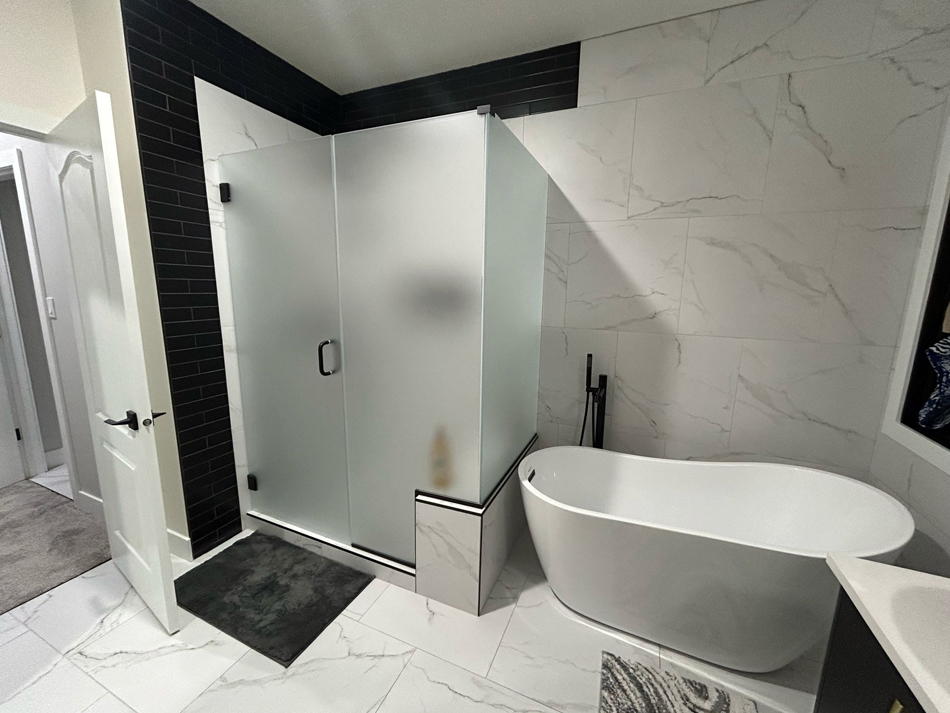
A bathroom renovation is one of the most rewarding home improvement projects you can undertake but it’s also one of the most complex. While bathrooms may be smaller than kitchens or living areas, they involve intricate plumbing, electrical systems, waterproofing, ventilation, and precise material selection. Without proper planning, even a simple update can quickly turn into a costly and stressful experience.
At Bakir Contracting, we’ve helped countless Alberta homeowners transform outdated bathrooms into functional, stylish, and long-lasting spaces. This comprehensive guide shares expert tips to help you plan your bathroom renovation with confidence, avoid common pitfalls, and achieve results you’ll love for years to come.
1. Begin With Clear Goals and a Realistic Budget
Before selecting tiles, fixtures, or color palettes, take time to define the purpose of your renovation. Are you upgrading a tired bathroom for better functionality, preparing your home for resale, or creating a spa-like retreat for relaxation? Your goals will guide every decision that follows.
Equally important is setting a realistic budget. A well-planned bathroom renovation budget should include:
-
Fixtures such as toilets, vanities, tubs, and showers
-
Tiles, flooring, lighting, and accessories
-
Labor costs, which often account for a significant portion of the total
-
A contingency reserve of at least 15–20% for unexpected repairs
Hidden issues like water damage, outdated plumbing, or subfloor deterioration are common especially in older homes. Many homeowners underestimate these costs, which is why learning from common renovation mistakes Alberta homeowners should avoid can save both time and money.
2. Design for Function First Then Style
A beautiful bathroom that doesn’t function well will quickly become frustrating. When planning your layout, think beyond aesthetics and consider how the space will be used daily.
Ask yourself:
-
How many people will use this bathroom regularly?
-
Do you need dual sinks or extra storage?
-
Would a walk-in shower be more practical than a bathtub?
-
Will your needs change in the next 10–15 years?
Future-proofing your bathroom with wider walkways, comfort-height fixtures, or curbless showers can add long-term value and usability. Smart planning now prevents expensive redesigns later.
3. Maximize Your Bathroom Layout
Even small bathrooms can feel spacious with the right layout. Strategic design choices such as wall-mounted vanities, sliding doors, or recessed shelving can dramatically improve flow and usability.
In some cases, adjusting the placement of a door or window can unlock valuable space. However, layout changes involving plumbing or structural elements should always be evaluated by professionals to ensure feasibility and compliance with local building standards.
4. Create a Clear Renovation Timeline
Bathroom renovations involve multiple stages that must be completed in the correct sequence. A realistic timeline helps manage expectations and minimizes disruption to your household.
Typical stages include:
-
Demolition and removal
-
Structural or layout changes
-
Plumbing rough-ins
-
Electrical work
-
Waterproofing
-
Tiling and flooring
-
Fixture and vanity installation
-
Final finishes and inspections
Most full bathroom renovations take three to six weeks, depending on size and complexity. Professional coordination is key, which is why many homeowners rely on experienced contractors who understand seamless project scheduling and execution similar to the approach outlined in how Bakir Contracting ensures seamless project management for your home.
5. Understand Local Codes and Regulations
Bathroom renovations must comply with building codes related to safety, durability, and performance. These regulations typically cover:
-
Waterproofing standards
-
Electrical safety near water sources
-
Ventilation requirements
-
Structural modifications
While cosmetic updates usually don’t require permits, changes involving plumbing, electrical systems, or walls often do. Working with a licensed contractor ensures all work meets current standards and avoids issues during resale or inspections.
6. Choose the Right Professionals
The success of your bathroom renovation depends heavily on the expertise of the professionals you hire. Skilled contractors don’t just install materials they help you avoid costly mistakes and deliver a polished finish.
When choosing a renovation partner:
-
Verify licensing and insurance
-
Review past bathroom renovation projects
-
Compare detailed quotes
-
Establish clear communication expectations
Booking early is essential, as reputable contractors are often scheduled months in advance especially during peak renovation seasons in Alberta.
7. Upgrade Behind-the-Walls Systems
One of the most overlooked aspects of bathroom renovations is what lies beneath the surface. Old plumbing, inadequate waterproofing, or outdated electrical wiring can compromise even the most beautiful design.
Key upgrades to prioritize include:
-
Modern plumbing systems for efficiency and reliability
-
High-quality waterproofing membranes
-
Updated electrical wiring and GFCI outlets
-
Proper ventilation to prevent moisture buildup
Bathrooms are particularly vulnerable to water damage, making proper preparation essential similar to the preventive steps outlined in how to handle water damage in your Sherwood Park home.
8. Select Durable, Moisture-Resistant Materials
Bathrooms demand materials that can withstand humidity, splashes, and daily use. Choosing the right products ensures longevity and easier maintenance.
Recommended materials include:
-
Porcelain or ceramic tiles for walls and floors
-
Moisture-resistant drywall or cement board
-
Sealed natural stone for a luxury finish
-
High-quality fixtures with solid warranties
Flooring choices are particularly important. Many homeowners now opt for water-resistant options inspired by modern flooring solutions, similar to those discussed in vinyl flooring in St. Albert: a complete guide.
9. Plan Smart Storage Solutions
An organized bathroom feels larger, calmer, and more functional. Thoughtful storage planning ensures everything has its place without cluttering the space.
Consider:
-
Floating vanities for visual openness
-
Built-in shower niches
-
Recessed medicine cabinets
-
Vertical storage for towels and toiletries
Storage should accommodate daily essentials as well as cleaning supplies and spare linens, especially in family bathrooms.
10. Design Layered Lighting for Comfort and Style
Lighting plays a crucial role in both functionality and ambiance. A layered lighting approach creates balance and flexibility.
Effective bathroom lighting includes:
-
Ambient ceiling lighting for overall brightness
-
Task lighting around mirrors for grooming
-
Accent lighting for architectural features or mood
Always use moisture-rated fixtures in wet zones to ensure safety and longevity.
11. Test Everything Before Completion
Before your bathroom renovation is officially complete, thorough testing is essential. This step ensures all systems perform as expected and prevents post-project surprises.
Final checks should include:
-
Leak testing all plumbing connections
-
Verifying proper drainage
-
Testing electrical outlets and lighting
-
Confirming ventilation effectiveness
Catching issues early is far easier than addressing them after finishes are installed.
12. Avoid Common Bathroom Renovation Pitfalls
Many renovation regrets stem from rushed decisions or poor planning. Common mistakes include underestimating costs, choosing style over function, and skipping professional guidance.
Learning from others’ experiences such as those outlined in avoid these common mistakes when bathroom remodeling in Edmonton can help you make informed decisions and protect your investment.
13. Why Work With Bakir Contracting?
Planning a bathroom renovation can feel overwhelming, but you don’t have to do it alone. At Bakir Contracting, we guide homeowners through every step from initial design to final inspection with transparency, precision, and craftsmanship.
Our experienced team focuses on:
-
Thoughtful planning and clear communication
-
High-quality materials and workmanship
-
Code-compliant installations
-
On-time, on-budget project delivery
We don’t just renovate bathrooms we create spaces designed for comfort, durability, and long-term value.
Final Thoughts
A successful bathroom renovation starts long before demolition begins. With careful planning, realistic budgeting, smart design choices, and professional execution, you can transform your bathroom into a space that enhances both your daily routine and your home’s value.
Whether you’re planning a minor refresh or a full transformation, following these expert tips will help ensure your renovation journey is smooth, efficient, and rewarding.
If you’re ready to start planning your perfect bathroom renovation, Contact Bakir Contracting to help bring your vision to life beautifully and responsibly.
FAQs
1. How long does a complete bathroom renovation usually take?
A full bathroom renovation typically takes between 3 to 6 weeks, depending on the size of the space, the complexity of the design, and whether plumbing or structural changes are involved. Factors such as custom materials, inspections, and unforeseen repairs can also affect the timeline.
2. How much should I budget for a bathroom renovation?
The cost of a bathroom renovation varies based on materials, layout changes, and fixture selections. Homeowners should budget for materials, labor, and a 15–20% contingency fund to cover unexpected issues such as water damage or outdated plumbing discovered during the renovation.
3. Do I need permits for a bathroom renovation in Alberta?
Permits are usually required if your renovation involves plumbing, electrical work, or structural changes. Cosmetic updates like replacing tiles or fixtures typically do not require permits. Working with a professional contractor ensures all necessary permits and code requirements are handled properly.
4. What is the most important part of a bathroom renovation?
Proper planning and behind-the-wall upgrades are crucial. Waterproofing, plumbing, electrical systems, and ventilation may not be visible once the project is complete, but they are essential for preventing leaks, mould, and costly repairs in the future.
5. Can I renovate a small bathroom to make it feel bigger?
Yes. Smart design solutions such as wall-mounted vanities, light-colored tiles, large-format mirrors, recessed storage, and efficient lighting can make even small bathrooms feel more open and functional without expanding the footprint.
6. What materials are best for bathrooms with high moisture levels?
Moisture-resistant materials such as porcelain or ceramic tiles, cement board, sealed natural stone, and quality bathroom fixtures are ideal. These materials are durable, easy to maintain, and designed to withstand humidity and daily water exposure.
7. Is it worth upgrading plumbing and electrical systems during a renovation?
Absolutely. Upgrading outdated plumbing and electrical systems improves safety, efficiency, and long-term reliability. These upgrades also help prevent future issues and ensure your bathroom meets current building standards.
8. How can I add more storage to my bathroom without cluttering it?
Built-in niches, recessed medicine cabinets, floating vanities, and vertical storage solutions are excellent ways to maximize storage while keeping the bathroom clean, open, and visually appealing.
9. What type of lighting works best in a bathroom?
A layered lighting approach works best. This includes ambient overhead lighting, task lighting around mirrors for grooming, and optional accent lighting for ambiance. All fixtures in wet areas should be moisture-rated for safety.
10. Why should I hire a professional contractor for my bathroom renovation?
A professional contractor ensures proper planning, quality workmanship, code compliance, and efficient project management. This reduces stress, avoids costly mistakes, and results in a bathroom that is both beautiful and built to last.


0 Comments