
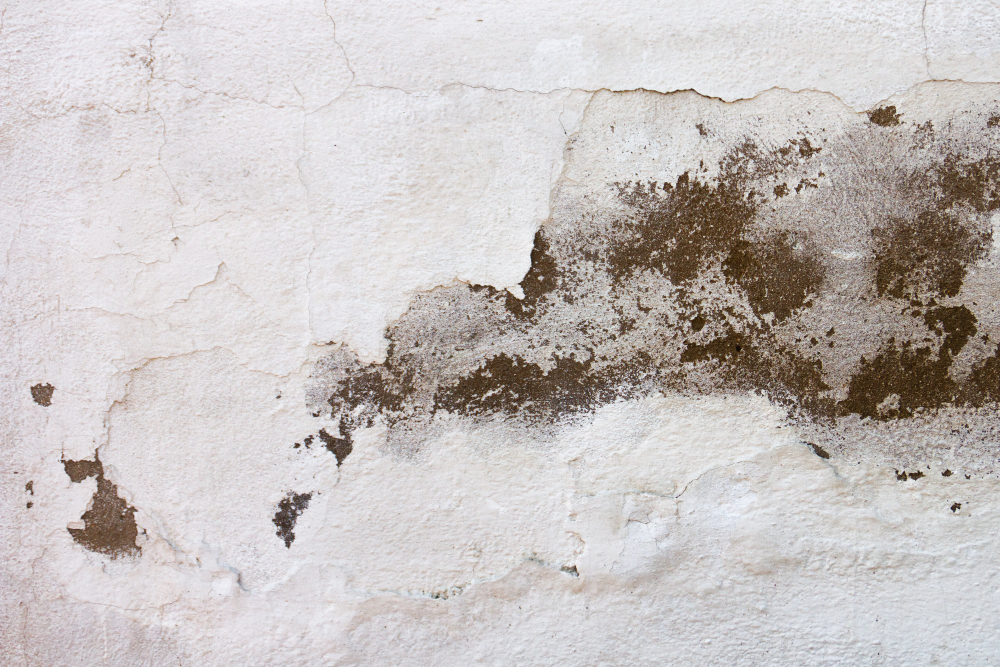
Water damage is one of the most stressful—and costly—issues homeowners in Sherwood Park face. Between rapid temperature swings, spring melt, and aging plumbing systems, even a small leak can quickly escalate into a major problem. If caught early, repairs are usually manageable. But when water sits unnoticed, it can weaken your home’s structure, ruin finishes, and lead to persistent mould growth.
To help you protect your home, this complete guide walks you through how to identify water damage, find the source of the leak, repair affected areas, and prevent future issues. Whether you’re dealing with a recent incident or want to safeguard your property, here’s what every Sherwood Park homeowner needs to know.
Find the Source of the Water Damage
One of the biggest challenges of water damage is that the signs aren’t always obvious. Water flows downward and often travels far from the original leak. That’s why professionals—like the team at Bakir Contracting—use advanced tools such as infrared cameras and moisture meters to locate hidden damage.
Common Signs of Water Damage
If you suspect water issues, look for:
-
Brown or yellow stains on walls or ceilings
-
Warped or swollen flooring
-
A musty or mouldy smell
-
Bubbling or peeling paint
-
Visible mould growth
-
Persistent humidity indoors
-
Wet or soggy carpeting
-
Water pooling in the basement
-
Rusting pipes or hardware
-
Cracks forming in walls or foundations
Once you spot these red flags, follow the trail. Remember: water always travels along the path of least resistance.
What Causes Water Damage in Sherwood Park Homes?
Where the damage appears gives you clues about the source. A ceiling stain? Likely a roof or attic issue. Damp basement carpet? Possibly foundation-related.
Most water damage falls into one of three categories:
1. Interior Plumbing Issues
This is the most common source of water damage. Burst pipes, faulty fixtures, leaking water heaters, or backed-up drains can quickly soak walls, floors, and ceilings.
Quick test:
Turn off your main water supply for several hours. If the water meter still changes, you’ve likely got a hidden plumbing leak.
2. Exterior Roof or Gutter Problems
Damaged shingles, cracked flashing, or clogged eavestroughs allow water to seep into your attic or down exterior walls. In Sherwood Park, freeze-thaw cycles make roofs especially vulnerable.
Regular roof inspections—especially before and after winter—can prevent this.
3. Ground-Level Drainage Issues
Improper grading, blocked downspouts, or malfunctioning French drains can push water toward your foundation. During spring melt, when Sherwood Park sees heavy runoff, this is a major culprit.
Repairing Water Damage in Your Sherwood Park Home
Even small leaks can cause massive issues if left untreated. The longer moisture lingers, the worse the damage becomes.
Potential Consequences of Untreated Water Damage
-
Structural weakening – Wood rot, rusting metal, and crumbling concrete
-
Electrical hazards – Shorts, fire risks, and power interruptions
-
Plumbing deterioration – Corroded pipes and increased pressure
-
Mould growth – Which can trigger allergies and respiratory problems
-
Cosmetic damage – Stains, peeling paint, and warped materials
-
Furniture and appliance ruin – Especially in basements
Once water enters your home, the first priority is stopping the leak and drying the area. But that alone isn’t enough.
Why Hiring a Professional Matters?
Water takes unpredictable paths through walls, floors, and insulation. Much of the real damage stays hidden.
A professional contractor like Bakir Contracting will:
-
Perform a full moisture inspection
-
Determine the exact cause and extent of the damage
-
Replace compromised structural materials
-
Remove mould safely
-
Restore finishes to pre-damage condition
Trying to fix water damage yourself can leave behind trapped moisture, leading to mould, odours, and future structural issues. Professional restoration ensures your home is safe, dry, and fully repaired.
How to Prevent Water Damage in Your Sherwood Park Home?
While you can’t control the weather, you can take steps to protect your home.
Exterior Prevention Tips
-
Clean gutters and downspouts twice a year
-
Inspect and replace damaged shingles
-
Repair or replace cracked exterior caulking
-
Ensure downspouts extend at least 4 feet away from the foundation
-
Fix grading so water flows away from your home
-
Clear snow from around the foundation before spring melt
Interior Prevention Tips
-
Inspect plumbing regularly for corrosion or leaks
-
Replace old hoses on appliances (washing machines, dishwashers, etc.)
-
Maintain your water heater
-
Test your sump pump—especially before spring
-
Use leak detectors in high-risk areas like the laundry room or under sinks
Proactive maintenance is far cheaper than fixing flooding or major structural damage later.
When to Call a Professional Water Damage Contractor?
Call a licensed contractor immediately if:
-
You see visible mould
-
Water has soaked drywall or insulation
-
The affected area spans more than a few square feet
-
The source is unclear
-
You smell mould but can’t see it
-
Floors feel soft or “spongy”
-
Your basement is regularly damp or flooded
-
You notice rising humidity levels without explanation
Professionals know how to inspect, repair, and prevent recurring issues. At Bakir Contracting, our team specializes in restoring water-damaged homes and reinforcing them to prevent future leaks.
Why Choose Bakir Contracting?
As a trusted Sherwood Park contractor, Bakir Contracting provides:
-
Expert diagnostics using professional equipment
-
Safe removal of damaged and mould-affected materials
-
Full repair and restoration services
-
Long-term solutions, not quick fixes
-
Experienced, certified technicians
-
Transparent quotes and reliable timelines
Whether it’s a small leak behind a wall or significant spring runoff flooding your basement, we’re here to help you restore your home safely and efficiently.
Protect Your Sherwood Park Home Today
Water damage can be overwhelming, but with quick action and professional support, you can prevent long-term issues and restore your home’s safety and comfort.
If you’ve spotted signs of water damage—or want a preventive inspection—Bakir Contracting is here to help.
FAQs
1. What should I do first when I notice water damage in my home?
The most important first step is to stop the source of water if possible. Turn off the main water supply for plumbing leaks, place buckets to catch drips, or move belongings away from the affected area. Then, contact a professional contractor to assess the full extent of the damage.
2. How long does it take for mould to grow after water damage?
Mould can start growing within 24 to 48 hours in damp conditions. That’s why quick action is critical. If the water-damaged area isn’t properly dried and treated, mould can spread rapidly behind walls and under flooring.
3. Can I repair water damage myself?
You can handle minor issues like drying small spills or repainting after a small stain. However, most water damage affects hidden structural components. DIY fixes may leave moisture trapped inside walls, leading to mould or future structural issues. Professional inspection and repairs are always recommended.
4. How much does it cost to repair water damage in Edmonton?
Costs vary based on the cause, severity, and area affected. Small repairs may cost a few hundred dollars, while major structural restoration or mould remediation can cost several thousand. A professional contractor like Bakir Contracting provides accurate assessments and upfront estimates.
5. How can I prevent water damage during Edmonton’s spring melt?
Before the thaw, make sure your gutters are clean, your sump pump works, and your foundation grading directs water away from your home. Clearing snow away from your foundation and maintaining your roof also help reduce the risk of leaks from spring runoff.
6. When should I call a professional water damage contractor?
Call a professional if you see visible mould, notice persistent moisture, smell musty odours, or find soft flooring, warped walls, or ceiling stains. These are signs water damage has spread beyond the surface and needs expert attention.
Conclusion
Water damage is something no Edmonton homeowner wants to encounter, but knowing how to spot it early—and how to respond—can save you thousands in repairs. From identifying warning signs to addressing leaks and preventing future damage, quick action is essential. When water problems go deeper than what you can see, a reliable contractor makes all the difference.
At Bakir Contracting, we specialize in repairing water-damaged homes and restoring them safely, efficiently, and with long-term protection in mind. Whether you’re dealing with spring melt, plumbing failures, or hidden structural moisture, our expert team is ready to help you safeguard your home and prevent costly issues down the road.



0 Comments