
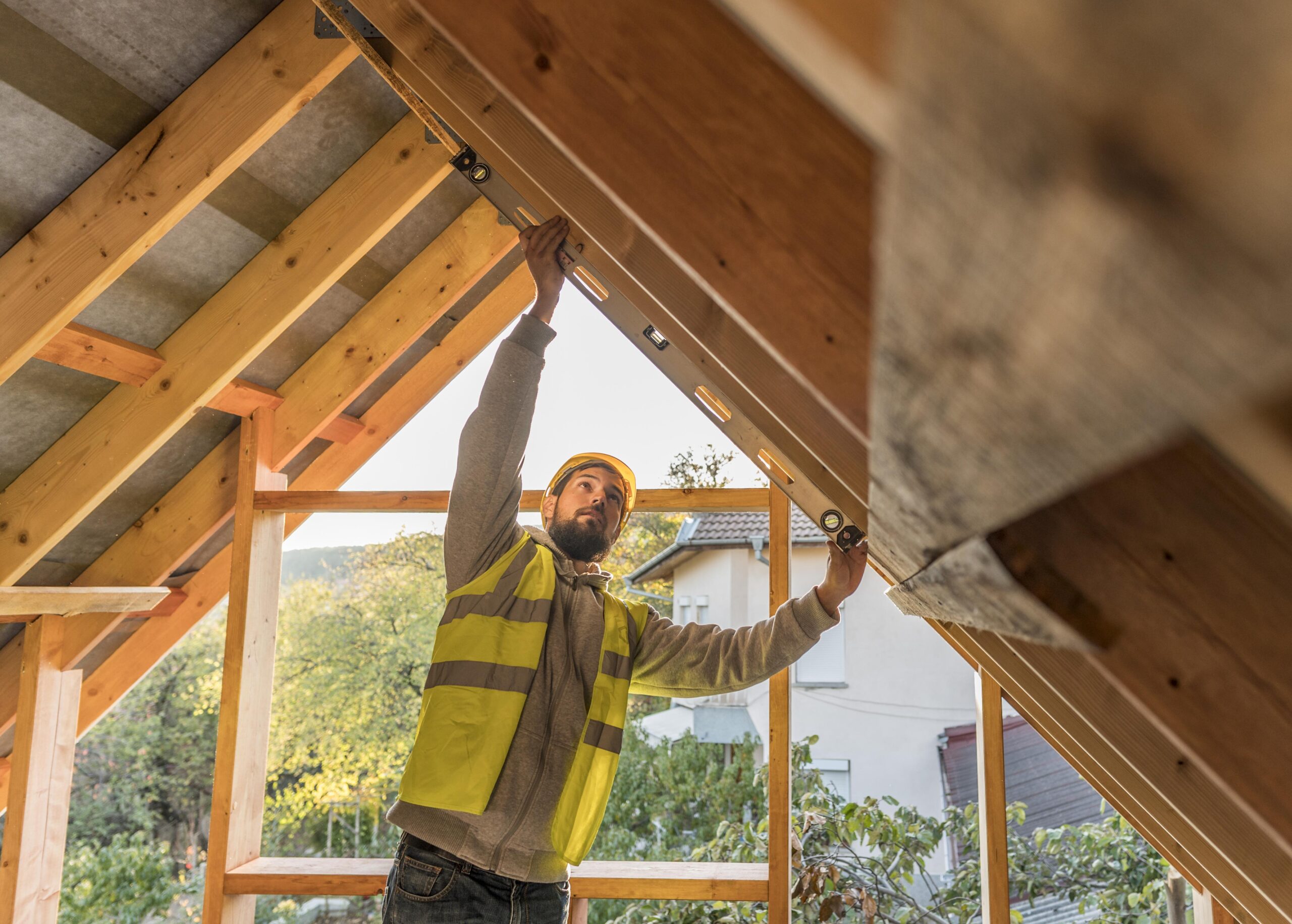
When most Edmonton homeowners plan renovations, they focus on the visible transformations—new flooring, elegant countertops, or trendy wall finishes. But behind the walls lies one of the most crucial (and often neglected) upgrades: proper insulation. At Bakir Contracting, we’ve seen firsthand how quality insulation transforms a home—enhancing comfort, reducing energy bills, and even extending the lifespan of your property.
If you’re planning your next home renovation, here’s why insulation deserves to be at the top of your list.
1. What Is Home Insulation and Why Does It Matters?
Insulation acts as a barrier that reduces heat transfer between your home’s interior and the outside world. In Edmonton’s climate—where winters can be bitterly cold and summers surprisingly warm—insulation helps maintain stable indoor temperatures all year round.
Proper insulation:
- Keeps your home warmer in winter and cooler in summer
- Reduces energy consumption and heating costs
- Improves indoor air quality
- Increases overall home comfort
Simply put, insulation is one of the smartest investments you can make in your home’s efficiency and livability.
2. The Energy Efficiency Advantage
According to Natural Resources Canada, up to 30% of a home’s heat loss occurs through poorly insulated walls and attics. By upgrading your insulation, you significantly cut down on the energy required to maintain a comfortable indoor climate.
Key benefits of energy-efficient insulation include:
- Lower monthly utility bills
- Reduced carbon footprint
- Less strain on HVAC systems
- Potential eligibility for local energy-efficiency rebates
To explore more ways to make your home eco-friendly, check out our related article:
Energy-Efficient Renovations: How Edmonton Homeowners Can Cut Utility Bills
3. Comfort Beyond Temperature Control
Insulation does more than just regulate temperature—it enhances the overall comfort of your living space. Properly insulated homes experience fewer drafts, more consistent room temperatures, and even improved soundproofing.
For instance, if you’re dealing with street noise or echoing between rooms, insulation can make a noticeable difference. It acts as a sound barrier, reducing noise transmission through walls, floors, and ceilings.
For a deeper dive into how materials affect sound control, read:
The Science Behind Soundproof Drywall: Everything Edmonton Homeowners Need to Know
4. Insulation’s Role in Moisture and Air Quality
Improper insulation can lead to moisture buildup, resulting in mold growth and structural damage. High-quality insulation—especially when paired with effective vapor barriers—helps control humidity and maintain healthy indoor air.
This improvement in air quality also benefits those with allergies or respiratory conditions, as insulation prevents pollutants and outdoor allergens from entering your home.
If moisture issues are already affecting your walls or ceilings, consider reading:
Warning Signs of Water-Damaged Drywall in Edmonton Homes
Types of Insulation to Consider for Edmonton Homes
When it comes to choosing the right insulation for your Edmonton home, it’s important to consider factors such as your home’s age, structure, budget, and long-term energy goals. Each insulation type has unique advantages, and selecting the right one can significantly impact comfort and efficiency throughout the year.
Fiberglass batt insulation remains one of the most popular and cost-effective options. It’s commonly used in walls and attics and offers a great balance between affordability and performance. Its pre-cut panels make installation straightforward, which is why it’s often chosen for standard renovation projects.
For homeowners looking for superior energy efficiency, spray foam insulation is an excellent choice. This material expands upon application, filling every gap and crack to create an airtight seal. Its high R-value (a measure of thermal resistance) makes it ideal for Edmonton’s cold winters, and it also provides added soundproofing benefits.
If you’re working with irregularly shaped spaces, blown-in cellulose insulation might be the way to go. Made primarily from recycled paper treated for fire resistance, it’s an eco-friendly solution that ensures consistent coverage—even in tight or hard-to-reach areas.
Lastly, rigid foam board insulation is often used in basements, crawl spaces, and exterior walls where moisture resistance is crucial. These boards provide excellent thermal performance while preventing condensation and mold growth, which are common challenges in colder climates.
Choosing the right insulation material can be complex, but working with a trusted local contractor like Bakir Contracting ensures that your insulation solution aligns perfectly with Edmonton’s climate and your home’s unique needs. Our team evaluates each project carefully to recommend materials that deliver maximum comfort, durability, and energy efficiency.
5. When to Upgrade or Replace Insulation
Here are a few signs it’s time to upgrade your insulation:
- Rooms that feel drafty or unevenly heated
- Rising energy bills despite efficient appliances
- Ice dams forming on your roof in winter
- Frequent condensation or moisture on windows
If you notice these issues, it’s best to call professionals for an inspection.
6. Integrating Insulation into Broader Renovation Plans
Upgrading insulation is most cost-effective when paired with other renovation projects—especially drywall, flooring, or basement developments. For example:
- Basement finishing: Install insulation before framing to improve thermal performance.
- Drywall replacement: Add new insulation behind walls for comfort and noise reduction.
- Flooring renovations: Consider underfloor insulation for warmth and energy efficiency.
7. Partnering with Bakir Contracting
At Bakir Contracting, we take a holistic approach to home renovations. Our experts assess your home’s existing insulation, identify performance gaps, and recommend tailored solutions that align with your goals—whether that’s energy efficiency, comfort, or property value.
With years of experience serving Edmonton homeowners, we handle every detail—from material selection to final installation—with precision and care.
Learn more about our trusted services:
Bakir Contracting: Your Trusted Partner for Quality Construction & Renovation
Conclusion
Proper insulation isn’t just a background feature—it’s a foundation for a healthier, more efficient, and comfortable home. Whether you’re remodeling your basement, upgrading drywall, or planning a full home renovation, prioritizing insulation delivers year-round comfort and long-term savings.
When you’re ready to take the next step, trust Bakir Contracting, Edmonton’s experts in smart, sustainable home renovation solutions.
Ready to upgrade your home’s insulation?
📞 Contact Bakir Contracting today for a professional consultation and get started on your next renovation project.
FAQs
Q1: How often should insulation be replaced?
Insulation can last 15–25 years, but it should be inspected every few years for moisture damage or compaction.
Q2: Can I add new insulation over old material?
Yes, as long as the existing insulation is dry and mold-free. Professional assessment is recommended.
Q3: Is insulation worth it in an older home?
Absolutely. Upgrading insulation in heritage homes dramatically improves comfort and energy performance without altering their charm.
Q4: How does insulation affect resale value?
Energy-efficient homes attract more buyers and higher offers, making insulation a smart long-term investment.
Q5: What areas of the home should I insulate first?
Start with the attic and exterior walls—these account for the most heat loss in Edmonton homes.
Q6: Does insulation help with soundproofing?
Yes! Materials like spray foam or dense fiberglass significantly reduce noise transfer between rooms.





0 Comments