
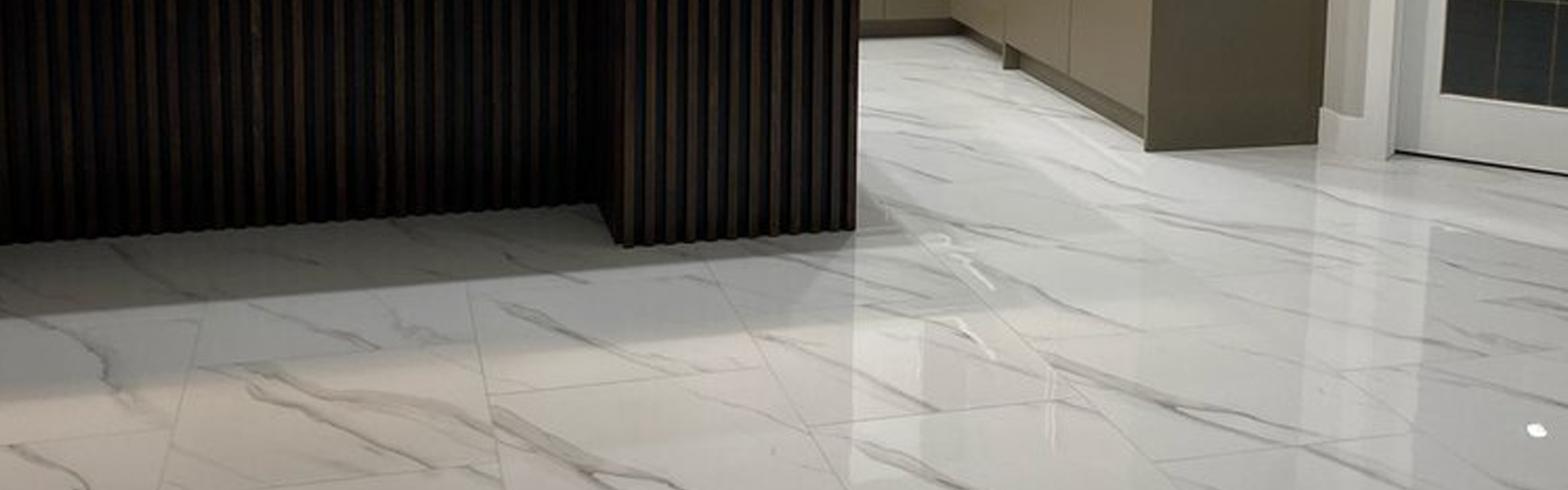
Flooring sets the tone for your entire home. It affects how rooms look, feel, and even how sound travels through your space. Yet, many homeowners in Edmonton underestimate how complex flooring decisions can be — leading to expensive repairs or replacements down the road.
Whether you’re renovating your kitchen, basement, or living area, flooring choices require careful consideration.
1. Choosing the Wrong Flooring Material
One of the most frequent renovation missteps is picking a flooring type based solely on appearance. Edmonton’s climate — with its cold winters and humidity fluctuations — demands more thoughtful choices.
Common Errors:
- Using hardwood in high-moisture areas like basements or bathrooms
- Installing laminate without proper underlayment
- Choosing cheap vinyl that fades or warps easily
Expert Insight:
For high-traffic or moisture-prone areas, consider durable options like luxury vinyl plank (LVP) or engineered hardwood. Learn more about durability and design tips in Flooring & Carpet Installation in Edmonton.
2. Ignoring Subfloor Preparation
Even the best flooring materials can fail if the subfloor isn’t properly prepped. Uneven or damp surfaces lead to squeaks, cracks, and premature wear.
Avoid This Mistake By:
- Checking for moisture or rot before installation
- Ensuring the subfloor is level and clean
- Adding a moisture barrier in basements or on concrete slabs
Bakir Contracting often finds that poor subfloor preparation is the root cause of early flooring damage. Professional drywall repairs and painting often accompany subfloor fixes during full-home renovations to ensure a seamless finish.
3. Overlooking Expansion Gaps
Wood and laminate floors expand and contract with Edmonton’s seasonal humidity. Forgetting to leave expansion gaps along walls or between boards can lead to buckling or cupping.
For more wall-finishing inspiration, see Modern Wall Finishes Beyond Paint and Drywall.
4. Skipping Professional Installation
DIY flooring projects can seem cost-effective, but improper installation can end up doubling your expenses later. Gaps, uneven seams, or poor adhesive use can ruin even premium materials.
Hiring professional contractors ensures:
- Correct alignment and leveling
- Secure, long-lasting installation
- Warranty coverage on materials and labor
If you’re considering a full home remodel, explore General Contracting Services Explained to understand how pros manage flooring, plumbing, and finishes cohesively.
5. Neglecting Room Functionality
Each room in your home serves a different purpose — and so should your flooring. For instance, the flooring that works best in a kitchen renovation may not suit a cozy bedroom or home office.
Best Flooring by Room:
- Kitchen: Vinyl plank or tile for water resistance
- Living Room: Engineered hardwood for elegance and warmth
- Basement: Laminate or LVP to handle moisture
- Bathroom: Ceramic or porcelain tile for easy maintenance
6. Forgetting About Maintenance Needs
Flooring longevity depends not just on the material but on how you maintain it. Hardwood floors require refinishing every few years, while vinyl may only need occasional cleaning.
Avoid Mistakes By:
- Following manufacturer cleaning instructions
- Using proper cleaners — avoid water-heavy mopping on wood
- Scheduling professional maintenance as needed
7. Ignoring Lighting and Color Impact
Lighting dramatically changes how flooring looks once installed. What appears warm under showroom lighting may look cooler or duller in your home’s natural light.
Expert Tip: Always test flooring samples in your home at different times of day. Color psychology also plays a major role in perceived space — explore Color Psychology in Renovations to learn how shades affect mood and design flow.
8. Overlooking Acoustics and Comfort
Flooring doesn’t just impact visuals — it affects how your home feels and sounds. Hard surfaces can create echo or discomfort in busy spaces.
Consider:
- Adding area rugs or underlays for sound absorption
- Using cork or padded vinyl in multi-level homes
- Investing in soundproof drywall to complement flooring updates
9. Choosing the Wrong Finish or Sealant
Finishes protect your floors from scratches, spills, and UV damage. Using the wrong one can lead to early wear — especially in Edmonton’s dry winters.
Recommendations:
- Use matte finishes for high-traffic areas (hide scuffs better)
- Opt for UV-resistant coatings in sunlit rooms
- Refinish hardwood every 5–7 years for long-term durability
10. Failing to Plan for Future Renovations
Homeowners often forget to consider how future projects — such as kitchen or bathroom upgrades — might affect flooring continuity. Different heights, materials, or transitions can create uneven spaces.
Expert Insight:
When planning a bathroom renovation contractor project or kitchen remodel, coordinate flooring choices early. Consistent design flow enhances both aesthetics and resale value.
Conclusion
Your flooring is more than just a design choice — it’s a foundation for comfort, functionality, and value. Avoiding common flooring mistakes can save you time, money, and frustration while ensuring your home looks beautiful for decades.
When in doubt, trust Edmonton’s renovation experts at Bakir Contracting to handle your flooring, drywall repairs and painting, and full-home remodels with craftsmanship and care.
FAQs
1. What’s the most durable flooring for Edmonton homes?
Luxury vinyl plank (LVP) and engineered hardwood perform best due to their resistance to temperature changes and moisture.
2. Can I install hardwood in my basement?
It’s not recommended — Edmonton basements are prone to humidity. Instead, choose waterproof materials like vinyl or tile.
3. How can I prevent my floors from squeaking?
Ensure proper subfloor fastening and underlayment installation. A professional contractor can reinforce joists if needed.
4. How often should flooring be replaced?
Most floors last 10–20 years, depending on material and maintenance. Refinishing or resealing can extend lifespan.
5. What’s the best way to clean vinyl flooring?
Use a damp mop and pH-neutral cleaner. Avoid steam cleaning or abrasive pads that can damage the surface.
6. Should I hire a professional for floor installation?
Yes — professionals ensure precision, leveling, and long-term warranty protection.




0 Comments