
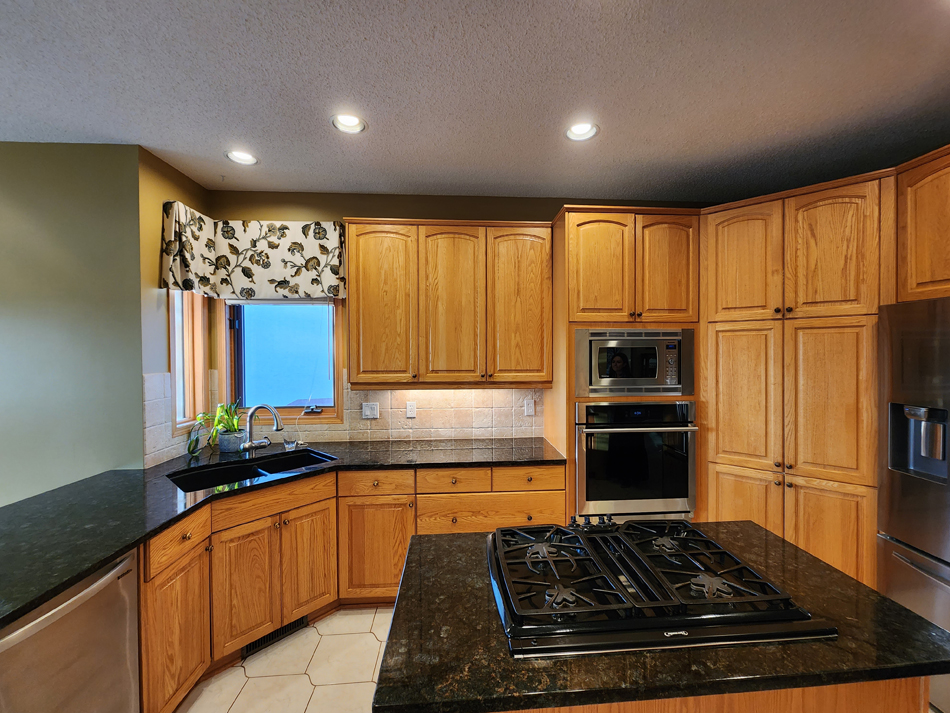
The kitchen is more than just a place to cook it’s where families gather, conversations happen, and daily life unfolds. If your kitchen feels outdated, cramped, or inefficient, a professional kitchen remodel can completely transform how your home looks and functions. Understanding the kitchen remodeling process helps you plan confidently, avoid costly mistakes, and achieve results that truly match your lifestyle.
At Bakir Contracting, we believe that a successful kitchen remodel is built on thoughtful planning, expert execution, and clear communication. Below, we walk you through each stage of the kitchen remodeling process so you know exactly what to expect from start to finish.
Step 1: Defining Your Kitchen Remodeling Goals
Every successful kitchen remodel begins with clarity. Before any designs are created or materials selected, it’s essential to define your goals. Ask yourself what isn’t working in your current kitchen and what you want to improve.
Some homeowners want more storage and counter space, while others prioritize better lighting, modern appliances, or an open-concept layout. Your goals may also include increasing home value, improving energy efficiency, or creating a more family-friendly space.
This is also the stage where homeowners can benefit from learning what not to do. Understanding common renovation pitfalls early can save time, stress, and money. For insights on avoiding costly missteps, review this guide on biggest home renovation mistakes Alberta homeowners should avoid.
Step 2: Budget Planning and Timeline Expectations
Once your goals are clear, the next step is establishing a realistic budget. Kitchen remodeling costs can vary depending on layout changes, material choices, cabinetry quality, and appliance upgrades. A professional contractor will help you balance your vision with your budget while identifying areas where investing more can deliver long-term value.
Equally important is setting a reasonable timeline. Kitchen remodels typically take several weeks, depending on the scope of work. Planning ahead ensures minimal disruption to your daily routine and helps prevent rushed decisions later in the process.
If you’re planning a renovation as part of a larger home upgrade, strategic timing matters. Homeowners often find value in aligning projects with long-term renovation goals, as outlined in how to plan your 2025 home makeover with Bakir Contracting.
Step 3: Kitchen Design and Layout Planning
Design is where your kitchen begins to take shape. During this phase, layout decisions are finalized, cabinetry styles are selected, and functional details are refined. A well-designed kitchen balances aesthetics with workflow, ensuring ease of movement between cooking, cleaning, and storage zones.
Homeowners can choose between traditional layouts, open-concept kitchens, or modern designs that incorporate islands and breakfast bars. Material selection is also crucial at this stage from cabinets and countertops to backsplashes and hardware.
For inspiration on styles that blend beauty and practicality, explore innovative kitchen renovation ideas to transform your home, which highlights creative ways to enhance both design and functionality.
Step 4: Permits, Measurements, and Pre-Construction Preparation
Before construction begins, precise measurements and proper permits are required especially if structural changes, plumbing relocation, or electrical upgrades are involved. A professional contractor ensures all local building codes are followed and inspections are scheduled as needed.
During this phase, materials are ordered, appliances are confirmed, and final design details are locked in. Homeowners may also need to prepare for temporary kitchen downtime by setting up a small cooking area elsewhere in the home.
Good preparation helps the construction phase move smoothly and minimizes delays once work begins.
Step 5: Demolition and Structural Changes
Demolition is often the most visible and dramatic phase of kitchen remodeling. Old cabinets, countertops, flooring, and fixtures are carefully removed to make way for the new design. If walls are being removed or layouts adjusted, structural work may also take place during this stage.
While demolition can feel disruptive, it’s a necessary step in creating a functional and modern kitchen. Professional crews prioritize safety, dust control, and proper disposal to keep the rest of your home protected.
This stage also allows contractors to identify any hidden issues such as outdated wiring, plumbing concerns, or insulation problems that need to be addressed before moving forward.
Step 6: Plumbing, Electrical, and Mechanical Upgrades
Once demolition is complete, the behind-the-scenes work begins. Plumbing lines, electrical wiring, and ventilation systems are installed or upgraded according to the new kitchen layout. This step is critical for ensuring safety, efficiency, and long-term reliability.
Modern kitchens often include upgraded lighting, additional outlets, smart appliances, and energy-efficient fixtures. Addressing these systems now ensures your kitchen meets current standards and supports future technology.
Proper coordination during this phase is essential, and experienced contractors rely on strong project management systems to keep everything on schedule. Learn more about this approach in how Bakir Contracting ensures seamless project management for your home.
Step 7: Cabinet, Countertop, and Flooring Installation
With infrastructure complete, your kitchen begins to come together visually. Cabinets are installed first, forming the foundation of storage and layout. Countertops follow, offering both durability and style, while flooring ties the entire space together.
Choosing the right flooring is especially important in kitchens due to moisture, spills, and heavy foot traffic. Materials must balance durability with aesthetics.
Each installation step is carefully measured and aligned to ensure a polished, professional finish.
Step 8: Backsplashes, Lighting, and Finishing Details
Finishing touches are what truly personalize your kitchen. Backsplashes add texture and visual interest, while lighting enhances both function and ambiance. Under-cabinet lighting, pendant lights, and recessed fixtures are commonly used to create layered illumination.
Hardware, faucets, and paint colors also play a major role in defining your kitchen’s final look. These details may seem small, but together they create a cohesive and refined space that reflects your style.
Homeowners interested in cohesive design upgrades often find value in professional advice on countertops and backsplashes, such as the insights shared in expert tips for choosing the right countertop and backsplash installation services.
Step 9: Final Inspection and Walkthrough
Before the project is officially complete, a final inspection ensures everything meets quality standards and design expectations. Contractors review cabinetry alignment, appliance functionality, electrical fixtures, and plumbing connections.
Homeowners are encouraged to walk through the space, ask questions, and confirm that all details meet their expectations. Any final adjustments are addressed promptly, ensuring complete satisfaction before project closeout.
Step 10: Enjoying Your Newly Remodeled Kitchen
Once complete, your remodeled kitchen becomes a space designed for daily living, entertaining, and lasting value. Improved functionality, modern design, and quality craftsmanship come together to create a kitchen that feels both inviting and efficient.
A professional remodel not only enhances your lifestyle but also adds long-term value to your home making it one of the most rewarding renovation investments you can make.
Why Choose Bakir Contracting for Your Kitchen Remodel?
At Bakir Contracting, we understand that kitchen remodeling is a significant investment. Our experienced team is committed to guiding homeowners through every step from planning and design to construction and finishing ensuring a smooth, transparent, and stress-free experience.
Whether you’re updating a dated kitchen or creating a completely new layout, we bring expertise, craftsmanship, and attention to detail to every project.
Ready to start your kitchen remodeling journey? Contact Bakir Contracting today and take the first step toward a kitchen that truly feels like the heart of your home.
FAQs
Q. How long does a kitchen remodeling project usually take?
A. The timeline for a kitchen remodel depends on the scope of work, design complexity, and material availability. On average, a full kitchen remodeling project can take anywhere from 4 to 8 weeks, starting from demolition to final installation. Structural changes or custom cabinetry may extend the timeline slightly.
Q. How much does kitchen remodeling cost?
A. Kitchen remodeling costs vary based on factors such as layout changes, cabinet quality, countertops, flooring, and appliance upgrades. A professional contractor like Bakir Contracting will help you establish a realistic budget and provide transparent pricing based on your specific needs and design goals.
Q. Do I need permits for kitchen remodeling?
A. Yes, permits are often required if your kitchen remodel involves electrical upgrades, plumbing changes, structural modifications, or wall removal. Bakir Contracting handles the permit process and ensures all work complies with local building codes and safety regulations.
Q. Can I use my kitchen during the remodeling process?
A. In most cases, your kitchen will be partially or fully unusable during certain stages of remodeling, especially during demolition and installation. Many homeowners set up a temporary kitchen space elsewhere in the home to manage daily needs while construction is underway.
Q. What should I prioritize when remodeling my kitchen?
A. Key priorities should include functionality, storage, workflow, lighting, and durable materials. A well-planned kitchen layout improves efficiency while high-quality cabinets, countertops, and flooring ensure long-term performance and value.
Q. Why should I hire a professional contractor for kitchen remodeling?
A. Hiring a professional contractor ensures proper planning, code compliance, quality workmanship, and efficient project management. With experienced professionals like Bakir Contracting, you reduce the risk of costly mistakes and enjoy a smoother remodeling experience from start to finish.




0 Comments