
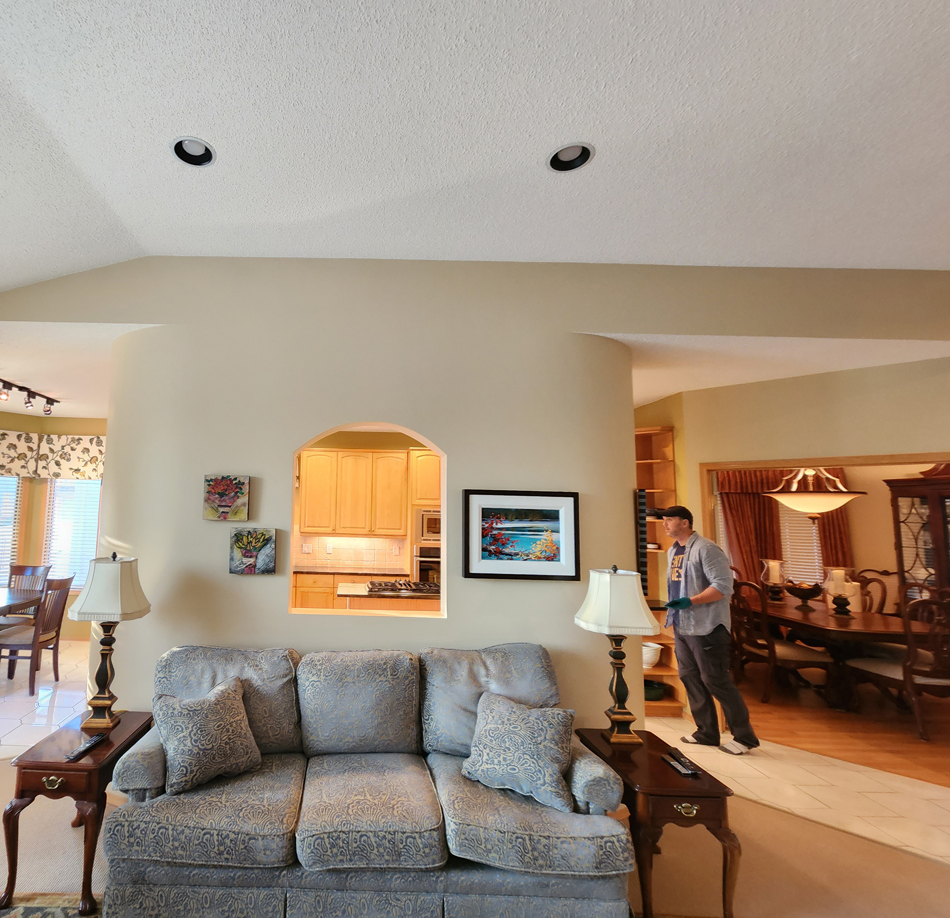
When homeowners think about increasing property value, they often focus on cosmetic upgrades new paint, trendy tiles, or upgraded fixtures. While those improvements matter, the true driver of long-term value lies in something deeper: your home’s layout.
A well-designed layout improves how your home functions, feels, and flows. It impacts daily living, resale potential, and overall market appeal. In competitive markets like Edmonton and surrounding areas, smart layout changes can significantly boost buyer interest and final sale price.
At Bakir Contracting, we specialize in strategic renovations that enhance both functionality and value. In this guide, we’ll explore the best layout changes that truly move the needle and how to implement them the right way.
Why Layout Changes Matter More Than Cosmetic Upgrades
A home can look beautiful but still feel awkward to live in. Narrow hallways, cramped kitchens, poor traffic flow, and underutilized spaces can negatively impact comfort and resale value.
The most valuable layout upgrades share three core benefits:
-
Improved traffic flow
-
Better use of square footage
-
Flexible, multi-functional spaces
If you’re planning a renovation, start with a strong foundation by reviewing this step-by-step planning guide.
1. Opening Up the Kitchen for Better Flow
The kitchen remains the most value-driving space in any home. However, it’s not just about finishes it’s about how the kitchen functions.
Remove Unnecessary Walls
Opening sightlines between the kitchen, dining, and living areas can make your home feel larger and brighter. Even widening doorways instead of fully removing walls can improve connection while maintaining structure.
Add or Reconfigure a Kitchen Island
A thoughtfully placed island increases:
-
Prep space
-
Seating
-
Storage
-
Traffic efficiency
Islands also define zones in open layouts without closing off the room.
Improve Storage Layout
Smart cabinetry placement and storage solutions increase perceived value instantly. Consider:
-
Full-height cabinets
-
Pull-out pantry systems
-
Deep drawer storage
-
Functional corner units
If you’re comparing renovation approaches, this guide explains the difference between remodeling and renovation.
2. Creating Multi-Functional Living Spaces
Modern buyers want flexible homes. A layout that adapts to changing needs adds long-term value.
Convert Formal Dining Rooms
Many older homes feature rarely used formal dining rooms. Converting this space into:
-
A home office
-
A playroom
-
A flex lounge
-
A study area
can dramatically increase practicality.
Design for Remote Work
Dedicated office nooks or semi-private workspaces have become highly desirable. Even adding built-in desks or dividing large rooms can create purposeful zones.
3. Basement Layout Transformations That Add Real Equity
An unfinished or poorly designed basement is wasted opportunity. A professionally designed basement layout can significantly increase usable square footage and property value.
Develop a Legal Basement Suite
Legal basement suites generate rental income and boost resale appeal. Proper layout planning ensures:
-
Code-compliant bedrooms
-
Functional kitchens
-
Separate entrances
-
Adequate ceiling heights
Create Multi-Use Basement Spaces
Basements can be transformed into:
-
Home gyms
-
Media rooms
-
Guest suites
-
Secondary living spaces
4. Reworking Entryways for Stronger First Impressions
First impressions significantly impact perceived value. A cramped or dark entryway can make an entire home feel smaller.
Consider layout changes like:
-
Expanding the foyer
-
Removing visual barriers
-
Adding built-in storage
-
Improving sightlines to main living areas
5. Expanding or Reconfiguring Bathrooms
Bathroom layout efficiency matters just as much as design.
Replace Underused Tubs
Converting oversized tubs into walk-in showers increases modern appeal and improves usability.
Improve Vanity Placement
Double vanities, better lighting, and optimized storage increase daily functionality.
Planning your bathroom upgrade? Here is the tips for perfect bathroom renovation.
6. Improving Traffic Flow Throughout the Home
Some layout improvements don’t require removing walls they require rethinking pathways.
Examples include:
-
Widening narrow hallways
-
Relocating door swings
-
Eliminating dead-end spaces
-
Adjusting room transitions
7. Creating Open-Concept Without Overdoing It
Open layouts remain popular, but they aren’t one-size-fits-all.
The best value-driven layouts:
-
Maintain partial separation
-
Use islands or half-walls
-
Balance acoustics and privacy
8. Enhancing Storage Through Smart Layout Planning
Storage directly impacts buyer perception. Layout changes that add built-ins, mudrooms, or walk-in closets increase value.
Consider:
-
Custom mudroom benches
-
Under-stair storage
-
Walk-in pantry conversions
-
Garage organization upgrades
Why Professional Layout Planning Matters?
Layout changes involve:
-
Structural modifications
-
Electrical rerouting
-
Plumbing adjustments
-
Permit approvals
-
Code compliance
Partnering with experienced professionals ensures your renovation is strategic and value-driven.
Designed for Today, Valuable Tomorrow
The best layout changes don’t chase short-term trends. They solve everyday problems:
-
Improving flow
-
Increasing functionality
-
Enhancing flexibility
-
Maximizing square footage
Whether you’re upgrading your kitchen, finishing your basement, reworking your bathroom, or optimizing traffic flow, thoughtful layout improvements consistently deliver strong returns.
If you’re ready to increase your home’s value with smart, strategic renovations, connect with Bakir Contracting today.
FAQs
1. What layout changes add the most value to a home?
A. The most valuable layout upgrades typically include opening up the kitchen, creating multi-functional living spaces, finishing or reconfiguring basements, improving traffic flow, and upgrading bathroom layouts. Kitchen renovations and basement developments tend to offer the strongest return on investment, especially when done professionally and with proper permits.
2. Is removing walls always a good idea for increasing home value?
A. Not necessarily. While open-concept layouts are popular, removing walls should be done strategically. The goal is to improve flow and sightlines not eliminate all separation. Structural walls require engineering approval, and improper removal can cause costly damage. Always consult experienced general contractors before making structural changes.
3. Does finishing a basement really increase resale value?
A. Yes. A professionally finished basement significantly increases usable square footage and overall property value. Adding a legal basement suite can also generate rental income, which is highly attractive to buyers in Edmonton and surrounding areas.
4. How can I improve my kitchen layout without a full remodel?
A. You can boost functionality by adding or reconfiguring an island, improving cabinet storage, widening entry points, or updating appliance placement. Even small layout adjustments like better pantry organization or optimized workflow can make a major impact without a complete reconstruction.
5. Are bathroom layout changes worth the investment?
A. Absolutely. Converting an outdated tub into a walk-in shower, improving vanity placement, or adding storage can significantly enhance functionality and buyer appeal. Modern, efficient bathroom layouts are a strong selling point in today’s market.
6. What’s the difference between a renovation and a remodel when changing layouts?
A. A renovation typically updates finishes and features without changing the structure. A remodel involves structural or layout changes, such as moving walls or reconfiguring plumbing. Layout upgrades usually fall under remodeling and require more planning and professional oversight.
7. Do I need permits for layout changes?
A. If you are removing walls, moving plumbing, altering electrical systems, or developing a basement, permits are often required. Skipping permits can lead to fines and complications during resale. A professional contractor will handle permits and ensure code compliance.
8. How do layout changes impact small homes?
A. In smaller homes, smart layout changes can dramatically improve livability. Removing visual barriers, adding built-in storage, and creating flexible spaces can make compact homes feel larger and more functional boosting both comfort and resale value.
9. Should I focus on layout changes or cosmetic upgrades first?
A. Layout should come first. Cosmetic upgrades won’t fix poor functionality or awkward room flow. Once the structure and layout are optimized, finishes like flooring, paint, and cabinetry can enhance the overall design and market appeal.
10. How long do layout renovation projects usually take?
A. Timelines depend on the scope of work. Minor layout adjustments may take a few weeks, while major structural changes or basement developments can take several months. Proper planning and working with experienced renovation contractors help keep projects on schedule.



0 Comments