
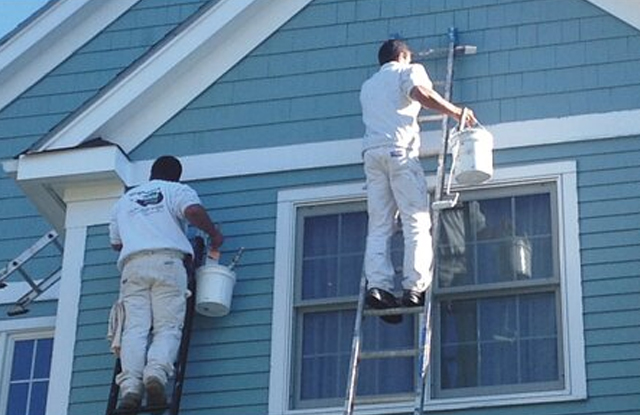
Your home’s exterior does much more than make a good first impression—it acts as a protective shield against Alberta’s ever-changing weather conditions. From harsh winters and strong UV exposure to rain, wind, and temperature fluctuations, your exterior paint takes the brunt of it all. Over time, even the best paint systems begin to show signs of wear.
Knowing when your home’s exterior needs a fresh coat of paint can help you prevent costly repairs, protect structural materials, and maintain strong curb appeal. At Bakir Contracting, we’ve seen firsthand how timely exterior painting can extend a home’s lifespan and dramatically improve its appearance.
In this guide, we’ll explore the most common signs your home is due for repainting—and why addressing them early matters.
Why Exterior Paint Is More Than Just Aesthetic
While fresh paint instantly enhances curb appeal, its primary role is protection. Exterior paint forms a barrier against moisture intrusion, UV damage, mold growth, and temperature-related expansion and contraction. When paint begins to fail, your home’s siding, trim, and underlying materials become vulnerable.
Neglecting exterior maintenance can lead to issues that go far beyond paint such as water damage, insulation problems, and even drywall deterioration inside your home. If moisture penetrates exterior walls, it can eventually impact interior finishes, making repairs far more expensive. Our guide on how to handle water damage in your Sherwood Park home explains how exterior issues often lead to interior problems.
1. Fading or Discoloured Paint
One of the most noticeable signs your exterior paint needs attention is fading. Prolonged exposure to sunlight especially UV rays breaks down paint pigments over time. Bright colours lose their vibrancy, while darker shades may appear washed out or uneven.
Fading isn’t just cosmetic. It indicates that the paint’s protective properties are weakening, leaving your siding and trim exposed to weather damage.
Common causes of fading include:
-
Intense sun exposure
-
Low-quality or outdated paint
-
Lack of UV-resistant coatings
Pro Tip: Modern exterior paints are designed with advanced UV resistance to maintain colour integrity longer, even in harsh climates.
2. Peeling, Cracking, or Bubbling Paint
Paint that is peeling, cracking, or bubbling is a clear warning sign that it’s no longer doing its job. These issues typically occur when moisture becomes trapped beneath the paint surface or when the paint has lost adhesion due to age or poor preparation.
Left unaddressed, peeling paint can expose wood, stucco, or siding materials to moisture, leading to:
-
Wood rot
-
Mold and mildew growth
-
Structural deterioration
This type of damage often spreads quickly, especially during freeze-thaw cycles common in Alberta winters. Preventive maintenance, like repainting at the right time, is far more cost-effective than repairing damaged materials later.
3. Chalky Residue on Exterior Walls
Have you ever run your hand along your exterior wall and noticed a white, powdery residue? This is known as chalking, and it occurs when paint breaks down over time due to sun and weather exposure.
While chalking is a natural part of paint aging, excessive residue means:
-
The paint is deteriorating
-
Adhesion is compromised
-
New paint won’t bond properly without preparation
Professional cleaning and surface preparation are essential before repainting to ensure a smooth, long-lasting finish. Proper prep is just as important in painting as it is in interior projects like drywall. Learn more about surface preparation in the importance of professional drywall taping for perfect wall finishes.
4. Visible Stains, Mold, or Mildew
Dark streaks, green patches, or black spots on your home’s exterior aren’t just unsightly they’re signs of mold, mildew, or algae growth. These issues often appear in shaded or moisture-prone areas and can worsen over time if ignored.
Beyond affecting appearance, mold and mildew can:
-
Indicate trapped moisture
-
Damage siding materials
-
Impact indoor air quality if moisture penetrates inside
A fresh coat of paint combined with proper surface treatment helps prevent future growth while restoring your home’s appearance.
5. Cracked Caulking Around Windows and Doors
Paint and caulking work together to seal your home’s exterior. If you notice cracked, brittle, or missing caulking around windows, doors, or trim, it’s often a sign that repainting is overdue.
Failing caulking can allow:
-
Water infiltration
-
Heat loss
-
Drafts and energy inefficiency
These small gaps can lead to bigger problems, including insulation damage. For more insight into protecting your home’s envelope, read why proper insulation should be your next home renovation priority.
6. Wood Rot or Soft Spots on Trim and Siding
If you notice soft, crumbling, or darkened wood around trim, fascia, or siding, it’s often the result of prolonged exposure to moisture due to failing paint.
Wood rot is a serious issue that:
-
Compromises structural integrity
-
Spreads if untreated
-
Requires repair before repainting
Addressing these areas early helps prevent more extensive exterior or interior repairs. Ignoring them can eventually impact interior drywall, which may require replacement rather than simple repairs. Learn the warning signs in signs you need drywall replacement, not just repairs.
7. Increased Energy Bills
Surprisingly, failing exterior paint can affect your home’s energy efficiency. Cracks, gaps, and deteriorated surfaces allow air leaks that force your HVAC system to work harder.
If you’ve noticed rising heating or cooling costs, your exterior envelope including paint may be part of the problem. This is especially important for homeowners planning larger upgrades. Our article on biggest home renovation mistakes Alberta homeowners should avoid highlights why neglecting exterior maintenance can lead to unexpected expenses.
8. Outdated or Tired Appearance
Even if your paint hasn’t failed structurally, an outdated or tired exterior can detract from your home’s value. Colour trends change, and older palettes may make your home look dated compared to neighbouring properties.
A modern colour refresh can:
-
Instantly boost curb appeal
-
Increase resale value
-
Align your home with current design trends
If you’re updating multiple areas of your home, exterior painting pairs well with broader renovation plans. Explore latest trends in Edmonton home renovations for inspiration.
9. It’s Been 7–10 Years Since the Last Paint Job
Even the highest-quality exterior paint has a lifespan. On average, most homes need repainting every 7–10 years, depending on:
-
Climate exposure
-
Paint quality
-
Surface material
-
Maintenance history
If it’s been close to a decade since your last exterior paint project, it’s wise to schedule an inspection even if damage isn’t immediately visible.
Planning ahead aligns well with long-term home improvement strategies. Our guide on how to plan your 2025 home makeover with Bakir Contracting offers helpful budgeting and timing tips.
Why Repainting Your Home’s Exterior Is a Smart Investment
A fresh coat of exterior paint offers benefits far beyond appearance:
-
Protects against moisture and weather damage
-
Extends the life of siding and trim
-
Improves energy efficiency
-
Boosts property value
-
Reduces long-term maintenance costs
When paired with other upgrades such as roofing, insulation, or interior renovations exterior painting contributes to a fully protected and cohesive home. Learn how coordinated upgrades make a difference in transform your home with Bakir Contracting.
Trust Bakir Contracting for Professional Exterior Painting
Repainting your home’s exterior is not a DIY project to rush. Proper surface preparation, material selection, and application techniques are critical for long-lasting results. At Bakir Contracting, we approach exterior painting with the same attention to detail we bring to full renovations, flooring installations, and structural repairs.
Our team ensures:
-
Thorough inspections and preparation
-
High-quality, weather-resistant materials
-
Clean, precise application
-
Results that protect and elevate your home
If you’ve noticed any of the signs above, now is the perfect time to act.
Contact Bakir Contracting today to schedule a professional exterior assessment and give your home the protection and curb appeal it deserves.
FAQs
1. How often should a home’s exterior be repainted?
A. Most homes need exterior repainting every 7–10 years, depending on paint quality, surface material, weather exposure, and maintenance. Homes exposed to harsh sun, wind, or moisture may require repainting sooner.
2. What is the best time of year to paint a home’s exterior in Alberta?
A. Late spring, summer, and early fall are ideal because temperatures are stable and humidity is lower. These conditions allow paint to cure properly and last longer.
3. Can I paint over old exterior paint?
A. Yes, but only if the existing paint is in good condition. Peeling, chalking, or cracked paint must be properly cleaned, repaired, and primed before new paint is applied to ensure durability and adhesion.
4. What happens if I delay exterior painting too long?
A. Delaying exterior painting can lead to moisture damage, wood rot, mold growth, insulation issues, and higher repair costs. Paint failure exposes your home to the elements, accelerating structural wear.
5. How do I know if peeling paint is caused by moisture?
A. Peeling paint caused by moisture often appears near windows, doors, roofs, or shaded areas and may be accompanied by bubbling, mold, or soft wood. A professional inspection can identify the root cause before repainting.
6. Does exterior painting increase home value?
A. Yes. A fresh, professionally applied exterior paint job improves curb appeal, protects building materials, and can significantly increase resale value by making the home look well-maintained and modern.
7. What type of exterior paint lasts the longest?
A. High-quality acrylic latex paints with UV resistance and weather protection tend to last the longest. The right paint also depends on your home’s siding material and exposure conditions.
8. Should repairs be done before exterior painting?
A. Absolutely. Damaged siding, rotted wood, cracked caulking, and moisture issues must be repaired before painting. Skipping repairs can cause new paint to fail prematurely.
9. How long does an exterior painting project usually take?
A. Most exterior painting projects take 3–7 days, depending on the size of the home, surface condition, weather, and preparation requirements.
10. Why should I hire a professional contractor for exterior painting?
A. Professional contractors ensure proper surface preparation, use high-quality materials, address hidden issues, and deliver long-lasting results. With Bakir Contracting, you get expert workmanship, project management, and peace of mind.


0 Comments