
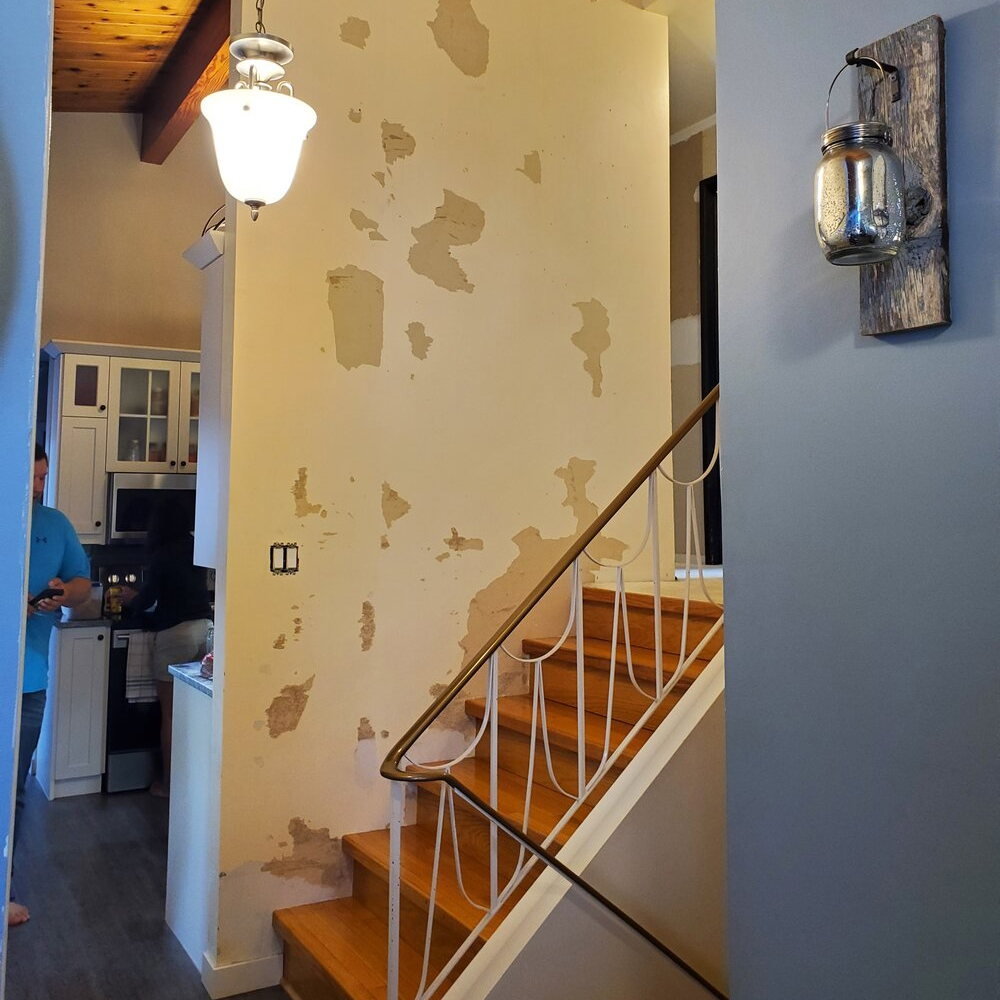
Why Proper Drywall Installation Matters?
Drywall may seem like a simple part of your home renovation, but it’s one of the most important. It forms the foundation for every wall and ceiling surface, influencing not just aesthetics but also durability, insulation, and structural integrity. At Bakir Contracting, we’ve seen how small drywall mistakes can lead to big problems—from uneven walls and cracks to costly future repairs.
Whether you’re remodeling a single room or finishing an entire basement, understanding common drywall installation mistakes can help you save time, money, and frustration. Here’s what to watch out for—and how to do it right.
1. Skipping the Pre-Renovation Inspection
Before any drywall project begins, a thorough home inspection is crucial. Many homeowners overlook this step, only to discover issues like water damage, poor insulation, or framing problems after the drywall is up. These hidden defects can cause your drywall to crack, sag, or warp over time.
Always inspect the wall structure and address issues beforehand. You can learn more about why this step is so important in our detailed guide:
Pre-Renovation Home Inspections: Why They’re Essential for Edmonton Homeowners
2. Choosing the Wrong Type of Drywall
Not all drywall is created equal. Using the wrong type for your project can compromise performance and safety. For instance:
- Regular drywall is suitable for most rooms.
- Moisture-resistant drywall (often green board) should be used in bathrooms or laundry rooms.
- Fire-resistant drywall is ideal for garages or utility spaces.
- Soundproof drywall helps reduce noise between rooms.
Selecting the right drywall ensures longevity and protects your investment. Check out our comprehensive guide for more insights: Drywall vs Plaster: Which Is Better for Your Edmonton Home?
3. Poor Framing and Measurement Errors
Even the best drywall can fail if it’s not installed on a properly framed surface. Uneven studs or inaccurate measurements cause misaligned panels, gaps, and visible seams. Always check that framing is level and properly spaced (typically 16 inches apart).
Professional contractors like Bakir Contracting use precision tools and experience to ensure every sheet fits snugly, preventing costly fixes later.
4. Over- or Under-Screwing the Drywall
One of the most common DIY mistakes is improper screw depth. Screws driven too deep can break the paper surface, reducing holding strength, while shallow screws can cause visible bumps or make finishing difficult.
The goal is for screws to sit just below the surface without tearing the paper. Professionals use drywall screw guns with depth settings to achieve consistent results.
For a deeper understanding of the installation process, read:
The Ultimate Guide to Drywall Installation: Expert Tips & Industry Secrets
5. Neglecting Joint Taping and Finishing
Drywall taping may look easy, but it’s an art form. Poor taping leads to visible seams, cracks, and an uneven paint finish. The key is to apply even layers of joint compound, sand properly between coats, and allow each layer to dry completely.
If your goal is a smooth, professional finish, take a look at our dedicated article:
Drywall Taping: Why It’s Essential for a Smooth Finish
6. Ignoring Temperature and Humidity Conditions
Drywall installation requires controlled conditions. High humidity or cold temperatures can cause the compound to dry unevenly, leading to warping, bubbling, or cracking later on. Edmonton’s variable climate makes it especially important to plan installation during optimal indoor conditions—ideally around 20°C with moderate humidity.
At Bakir Contracting, we use professional-grade materials and monitor environmental factors to ensure a stable, lasting finish.
7. Rushing the Sanding Process
Sanding is often viewed as the least exciting step, but it’s one of the most critical. Rushing this process or using the wrong grit can leave scratches, bumps, and imperfections that show up under paint or lighting. The best results come from multiple light passes using fine-grit sandpaper, followed by a final inspection under good lighting.
If you’ve ever noticed uneven textures or shadows on walls, it’s often due to improper sanding.
8. Forgetting About Proper Drywall Repair Before Painting
If you’re working on an older home or renovating damaged walls, repairing drywall properly before painting is essential. Skipping repairs can lead to visible dents, cracks, and uneven surfaces once painted.
Our experts at Bakir Contracting specialize in high-quality drywall repair and restoration. Learn more about our process here:
Professional Drywall Repair in Edmonton: Step-by-Step Process by Bakir Contracting
9. Poor Soundproofing and Insulation Integration
Many homeowners forget that drywall installation is also the perfect time to improve insulation and soundproofing. Failing to address these before sealing walls can lead to missed opportunities for comfort and efficiency.
Proper insulation helps regulate temperature, reduce noise, and improve energy efficiency. Learn why insulation should always be a priority in your renovation:
Why Proper Insulation Should Be Your Next Home Renovation Priority
10. Hiring Unqualified Contractors
Perhaps the most costly mistake of all is hiring unqualified or inexperienced installers. Poor craftsmanship not only affects aesthetics but can also compromise the structure of your walls. Always choose a licensed and experienced renovation company that understands local building codes and Edmonton’s climate-specific challenges.
At Bakir Contracting, our drywall specialists bring precision, skill, and years of hands-on experience to every project—ensuring lasting, professional results.
11. When to Call the Professionals
If you notice cracks forming, seams popping, or uneven textures after installation, it’s best to contact professionals immediately. DIY fixes often make problems worse, especially if underlying structural issues are involved.
Our team at Bakir Contracting offers full-service drywall installation, taping, and repair across Edmonton—delivering high-quality workmanship from start to finish.
Conclusion
Drywall installation might seem straightforward, but the smallest mistakes can lead to expensive repairs and disappointing results. By understanding common pitfalls—and working with trusted professionals like Bakir Contracting—you can ensure your walls look flawless and perform beautifully for years to come.
Whether you’re renovating one room or your entire home, our expert drywall installers in Edmonton are ready to help you every step of the way.
Contact Bakir Contracting today to schedule a consultation and get your drywall project done right—from the ground up.FAQs
Q1: How long does drywall installation take?
Typically, one to three days depending on the project size, drying time, and finishing details.
Q2: Can I install drywall myself?
DIY installation is possible, but professional work ensures a smoother finish, fewer repairs, and compliance with building standards.
Q3: What causes drywall cracks after installation?
Cracks often result from structural shifting, humidity changes, or improper taping and fastening.
Q4: Is it worth upgrading to soundproof drywall?
Yes. For bedrooms, home offices, or basement suites, it significantly improves noise reduction and privacy.
Q5: How do I prevent mold growth behind drywall?
Use moisture-resistant drywall in high-humidity areas and ensure proper insulation and ventilation.


0 Comments