How Strategic Layout Changes Can Raise Your Home’s Worth

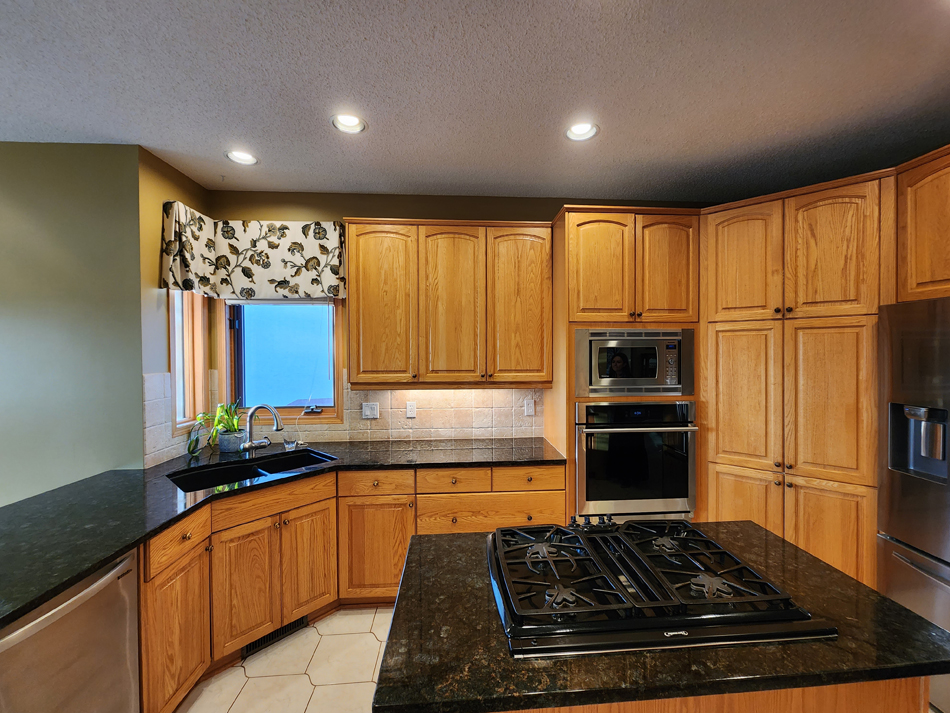
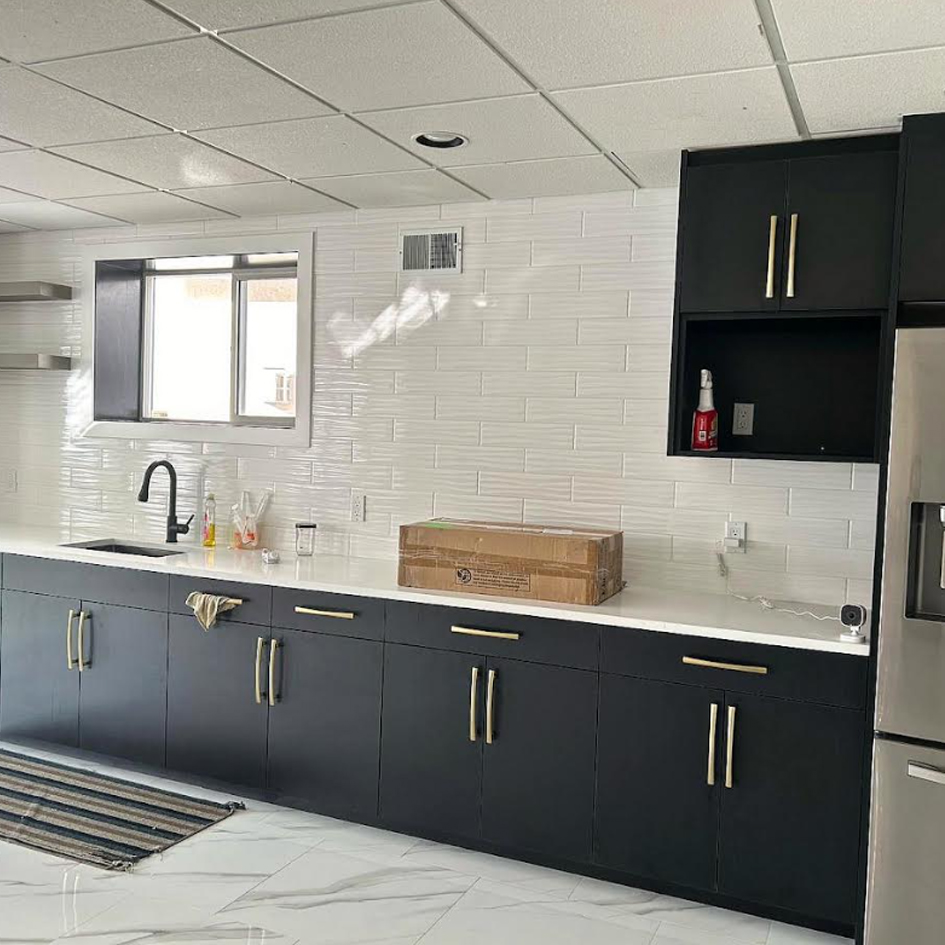
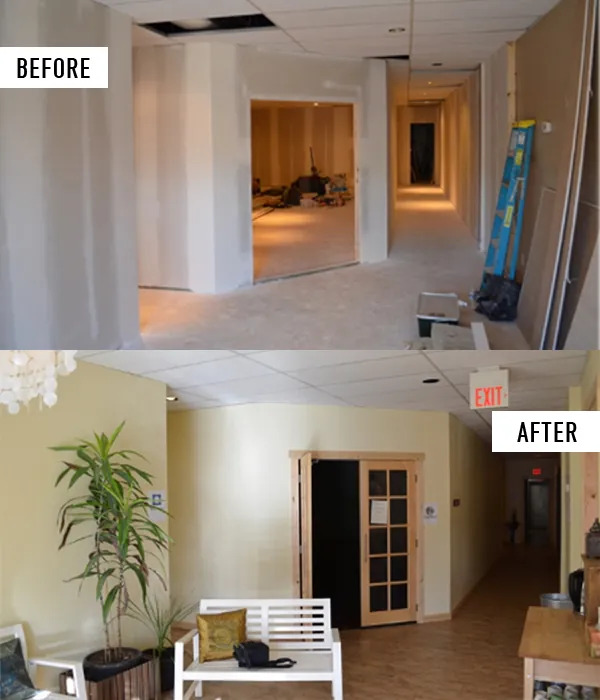
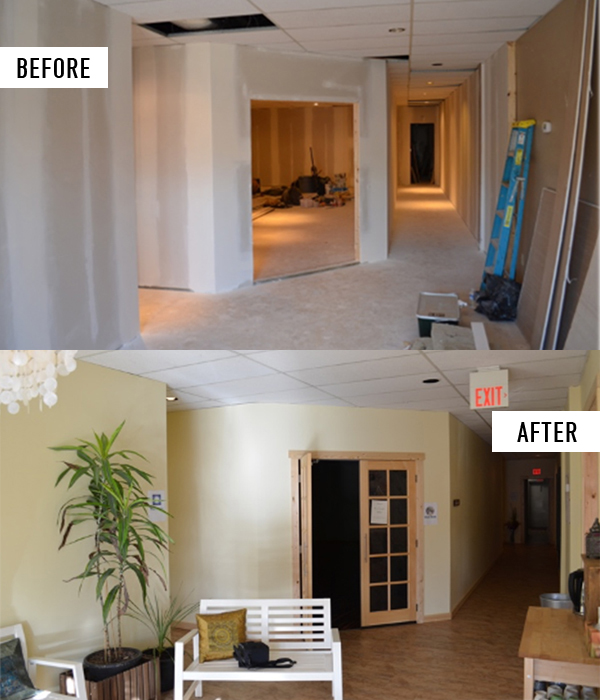
before and after picture

When homeowners think about increasing property value, the focus usually lands on finishes new flooring, modern cabinets, upgraded fixtures, or fresh paint. While these upgrades do matter, they often only enhance what’s already there. The real transformation the kind that changes how a home feels, functions, and sells comes from strategic layout changes.

Layout defines how people move through a home, how spaces connect, and how comfortably daily life unfolds. A smart layout can make a home feel larger, brighter, and more intuitive, even without luxury finishes. For buyers, that feeling translates directly into perceived value and higher offers.

At Bakir Contracting, we help homeowners make layout decisions that improve everyday living while strengthening long-term resale value. This guide explores how thoughtful layout changes can raise your home’s worth and where those changes deliver the biggest impact.

Why Layout Has a Bigger Impact on Home Value Than You Think

A home’s layout controls flow, functionality, and flexibility three factors that strongly influence buyer perception. Poor layouts create frustration: tight walkways, wasted space, awkward room connections, and limited storage. Even beautifully renovated homes can feel uncomfortable if the layout doesn’t work.

On the other hand, well-planned layouts offer:

  • Smooth movement between rooms

  • Clearly defined yet connected spaces

  • Better natural light distribution

  • Efficient storage and usable square footage

These qualities make a home feel effortless to live in. Buyers may not consciously identify why a home feels “right,” but they respond to it emotionally and that emotional response drives value.

Kitchen Layout Changes That Consistently Increase Value

The kitchen remains the most influential space in any home. Buyers often prioritize kitchen functionality over finishes because they spend so much time there. Strategic layout improvements in this area deliver some of the highest returns on investment.

Improving Flow and Connection

Older kitchens are frequently isolated from the rest of the home. Removing unnecessary walls or widening doorways can dramatically improve flow, allowing the kitchen to connect naturally with dining and living areas.

Better sightlines make the entire main floor feel more spacious and inviting. Even partial openings can modernize a kitchen without sacrificing structure or storage.

Understanding the process of kitchen remodeling helps ensure layout changes are planned early, avoiding costly revisions later.

Adding or Reworking a Kitchen Island

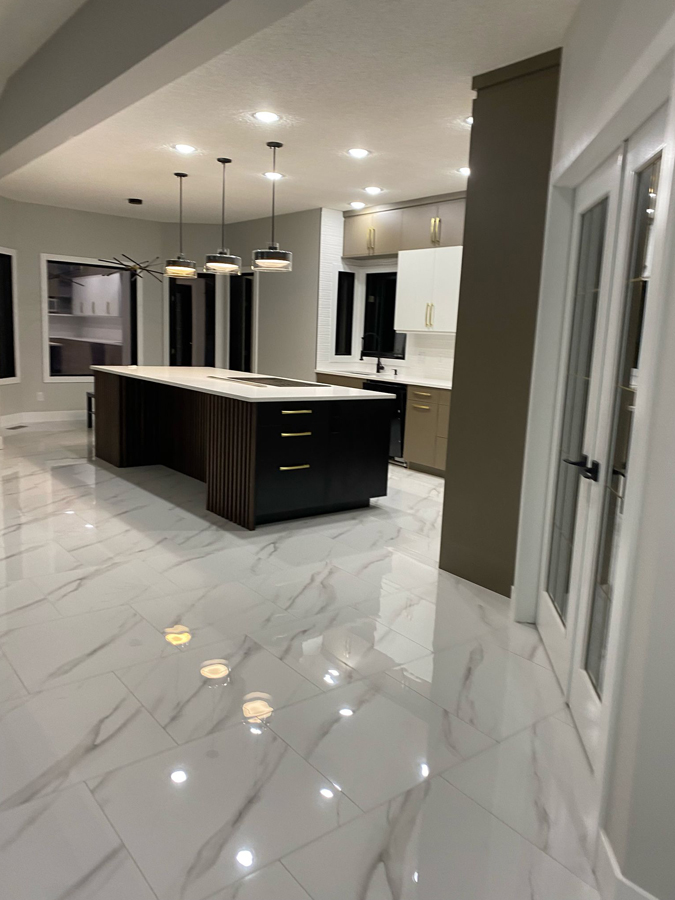
A well-designed island can redefine how a kitchen functions. Islands add prep space, storage, and casual seating while acting as a visual anchor between zones.

Strategic island placement improves workflow and helps define open layouts without closing off the space. Buyers consistently look for islands because they support entertaining, family meals, and everyday tasks.

Layout-focused island upgrades are often featured in innovative kitchen renovation ideas that prioritize usability as much as style.

Smarter Storage Placement

Layout isn’t just about walls it’s also about how storage works. Reconfiguring cabinet layouts, adding pantry space, or improving corner storage can significantly increase functionality.

Deep drawers, pull-outs, and vertical storage reduce clutter and make kitchens feel larger and more organized. Homes with smart storage layouts feel thoughtfully designed, which buyers associate with higher quality.

Open-Concept Layouts: Value Comes From Balance

Open layouts remain popular, but they’re not universally preferred. Some homeowners love open-concept living for entertaining and family connection, while others value privacy and noise control.

From a resale standpoint, the goal isn’t to remove every wall it’s to improve flow.

The most value-driven layouts:

  • Create visual openness without eliminating structure

  • Use islands, partial walls, or wide openings to define zones

  • Balance connectivity with comfort and function

Homes that strike this balance appeal to a broader range of buyers than extreme open or closed layouts.

Entryway Layout Improvements That Boost First Impressions

First impressions play a major role in perceived value. A cramped or cluttered entryway can instantly make a home feel dated or poorly designed.

Strategic layout changes that add value include:

  • Opening sightlines from the front door

  • Improving transitions into living spaces

  • Adding functional storage without crowding the area

A welcoming, well-organized entryway sets the tone for the entire home and signals thoughtful design from the moment buyers step inside.

Living Areas: Fixing Traffic Flow and Usability

Living rooms and family spaces should feel natural to navigate. Poor traffic flow such as awkward walkways or blocked sightlines can make even large rooms feel uncomfortable.

Layout improvements that increase value include:

  • Repositioning openings to reduce bottlenecks

  • Creating clear pathways between key areas

  • Defining zones for seating, dining, or entertaining

These changes improve daily comfort while making the home easier for buyers to visualize themselves living in.

Flexible Spaces Add Modern Appeal and Resale Strength

Modern buyers value flexibility more than ever. Homes that adapt to changing needs remote work, guests, hobbies stand out in the market.

Strategic layout changes can transform underused areas into:

  • Home offices

  • Guest rooms

  • Playrooms or media spaces

  • Multi-purpose basements

Avoiding design mistakes is just as important as making upgrades. Learning from the biggest home renovation mistakes Alberta homeowners should avoid helps protect both your investment and your home’s resale value.

Bathroom Layout Changes That Improve Comfort and Value

Bathrooms may be smaller spaces, but layout improvements here significantly impact buyer perception.

High-value bathroom layout updates include:

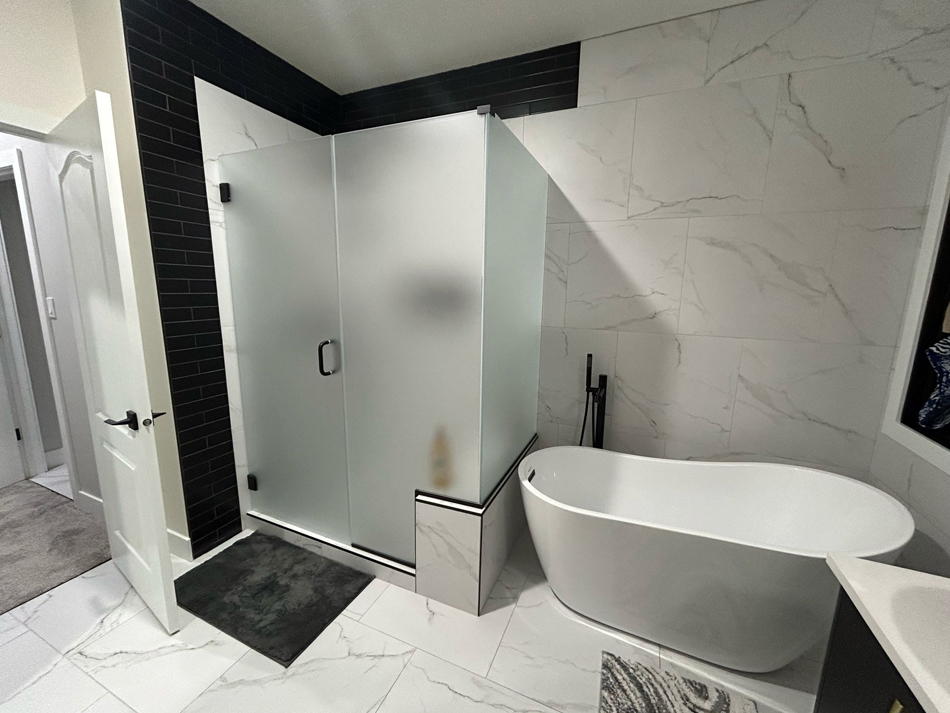
  • Replacing bulky tubs with walk-in showers

  • Improving spacing around vanities and fixtures

  • Adding storage without reducing floor space

Thoughtful planning ensures the bathroom feels open, functional, and relaxing. Following expert tips for planning your perfect bathroom renovation can help homeowners make layout decisions that pay off.

How Flooring Enhances Layout Improvements?

Layout changes often go hand in hand with flooring updates. Using consistent flooring across connected spaces enhances flow and makes layouts feel more cohesive.

Durable, versatile materials like laminate work especially well in reconfigured spaces, offering style, durability, and cost efficiency. Choosing the right flooring supports layout improvements and reinforces the sense of quality throughout the home, as explained in laminate flooring: what makes it an ideal choice for homes.

Designing for Today While Protecting Tomorrow’s Value

The best layout changes don’t follow short-term trends. They solve real problems and improve how the home functions long term.

Smart layout planning considers:

  • Your lifestyle today

  • Market expectations in your area

  • Long-term flexibility and resale appeal

Professional guidance ensures changes are strategic, code-compliant, and aligned with your investment goals.

Why Professional Planning Makes All the Difference?

Layout changes affect structure, plumbing, electrical, insulation, and flow. What looks simple on paper can become costly without proper planning.

Working with experienced professionals ensures:

  • Structural safety and building code compliance

  • Efficient project sequencing

  • Realistic budgets and timelines

  • Cohesive integration of finishes and systems

This level of coordination is essential for achieving layout improvements that truly add value.

Increase Your Home’s Worth With Confidence

Strategic layout changes are one of the most powerful ways to raise your home’s value while improving everyday comfort. By focusing on flow, functionality, and flexibility, you create a home that feels better to live in and far more attractive to future buyers.

Whether you’re rethinking your kitchen, improving your bathroom layout, or reworking your main living areas, Bakir Contracting delivers thoughtful planning and expert craftsmanship at every stage.

Start with layout. Build with intention. And invest in a home that works better today and holds stronger value tomorrow.

Ready to enhance your home’s layout and increase its value? Contact Bakir Contracting today to discuss your renovation goals with our experienced team. From strategic layout changes to full home transformations, we provide expert guidance, quality craftsmanship, and reliable project management from start to finish.

Visit bakircontracting.com or get in touch with us to schedule your consultation and take the first step toward a smarter, more valuable home.

FAQs

1. How do layout changes increase a home’s value?
A. Layout changes improve how a home functions and feels. Better flow, improved storage, and flexible spaces make a home more comfortable to live in and more appealing to buyers, which increases perceived and market value.

2. Which layout changes offer the highest return on investment?
A. Kitchen layout improvements, open sightlines between main living areas, better bathroom layouts, and the creation of flexible spaces such as home offices or finished basements typically deliver the strongest returns.

3. Is an open-concept layout always better for resale value?
A. Not always. While open layouts are popular, the best layouts balance openness with privacy and functionality. Homes that improve flow without removing all separation often appeal to a wider range of buyers.

4. Can layout changes be made without a full renovation?
A. Yes. Many impactful layout improvements such as removing non-load-bearing walls, reworking kitchen islands, improving storage placement, or widening doorways can be done without a complete home renovation.

5. How do layout changes affect everyday living?
A. Strategic layout updates make daily routines easier by reducing congestion, improving organization, increasing natural light, and creating spaces that adapt to modern lifestyles.

6. Are layout changes expensive compared to cosmetic upgrades?
A. Layout changes can require a higher upfront investment than cosmetic updates, but they often deliver greater long-term value by improving functionality and buyer appeal rather than just appearance.

7. Do layout changes require permits or professional planning?
A. Many layout changes involve structural, electrical, or plumbing work and may require permits. Working with experienced professionals ensures safety, code compliance, and proper planning from start to finish.

8. How long do layout-focused renovations typically take?
A. Timelines vary depending on the scope of work. Minor layout changes may take a few weeks, while larger reconfigurations involving multiple spaces can take several months.

9. Can layout changes be customized to my lifestyle?
A. Absolutely. The best layout improvements are designed around how you live whether that means open entertaining spaces, quiet home offices, or multi-functional rooms that adapt over time.

10. Why should I choose Bakir Contracting for layout renovations?
A. Bakir Contracting combines expert planning, skilled craftsmanship, and clear project management to deliver layout changes that improve daily living and enhance long-term home value.
Laminate Flooring: What Makes It an Ideal Choice for Homes?

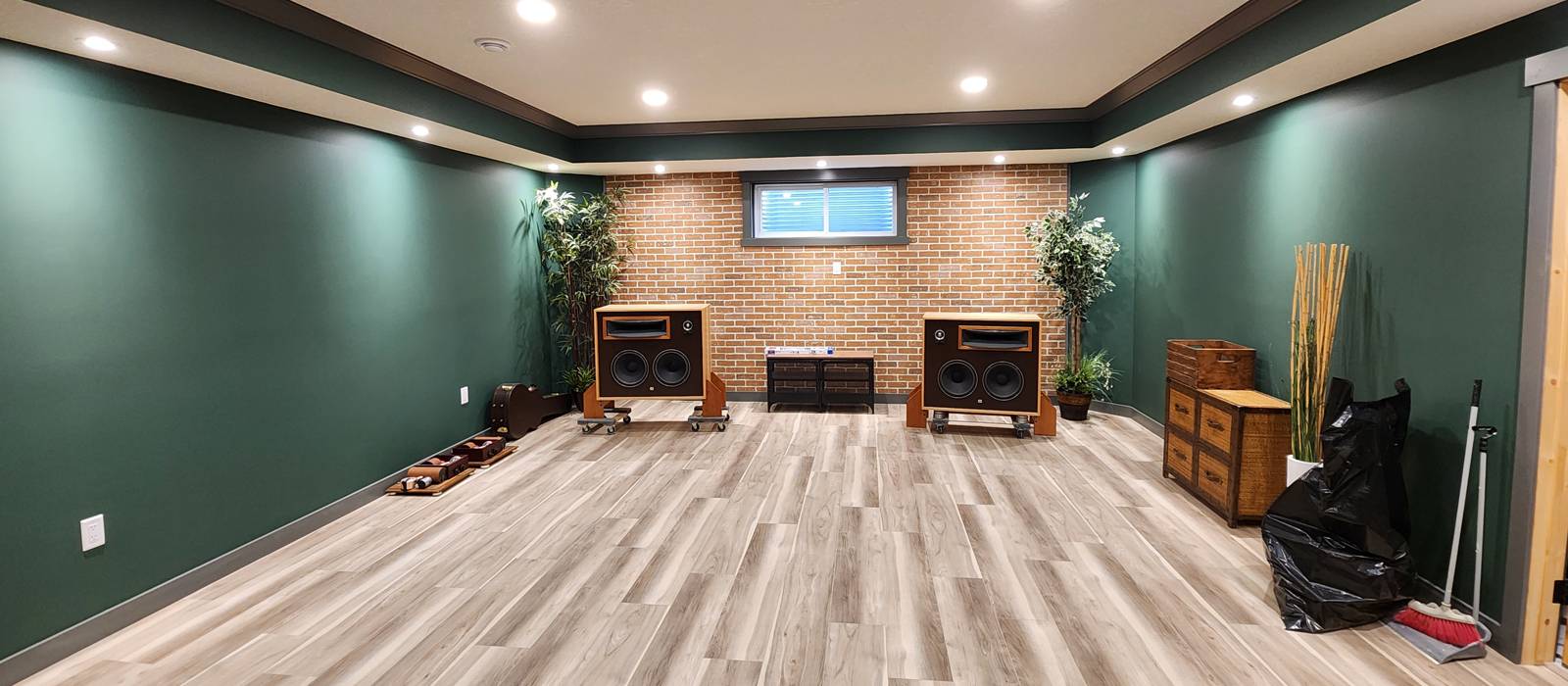
hall flooring

Flooring plays a much bigger role in a home than many homeowners initially realize. It affects not only how a space looks, but also how it feels, functions, and holds up over time. With so many flooring materials available today hardwood, tile, vinyl, carpet, and more it can be challenging to decide which option strikes the right balance between beauty, durability, and cost.

One flooring solution that continues to grow in popularity among homeowners across Alberta is laminate flooring. Thanks to advancements in manufacturing, laminate has evolved into a stylish, practical, and budget-friendly option that works well in a wide variety of homes. Whether you’re renovating a single room or upgrading your entire house, laminate flooring offers a compelling combination of performance and design flexibility.

In this guide, we’ll take a closer look at what laminate flooring is, how it’s made, and why it has become such an ideal choice for modern homes. We’ll also explore where it works best, how it compares to other flooring types, and what to consider before installation.

Understanding Laminate Flooring

Laminate flooring is a multi-layered synthetic product designed to replicate the appearance of natural materials such as hardwood, stone, or tile. Unlike solid wood flooring, laminate is engineered for consistency, stability, and durability qualities that are especially important in busy households.

The Layers That Make Laminate Flooring Strong

Laminate flooring typically consists of four core layers, each serving a specific purpose:

1. Wear Layer
The topmost layer is a clear, protective coating that shields the floor from scratches, stains, fading, and everyday wear. This is what makes laminate particularly well-suited for high-traffic areas like living rooms, hallways, and family spaces.

2. Design Layer
Beneath the wear layer is a high-resolution photographic layer. This is where laminate truly shines. Modern printing technology allows laminate planks to closely mimic the grain patterns, textures, and colors of real wood or stone.

3. Core Layer
The core is usually made from high-density fiberboard (HDF), which provides structural strength and impact resistance. This layer gives laminate its solid feel underfoot while offering better dimensional stability than many natural materials.

4. Backing Layer
The bottom layer adds stability and helps protect against moisture from below. It also prevents warping and contributes to the floor’s overall durability.

Together, these layers create a flooring system that is attractive, tough, and dependable.

Why Laminate Flooring Is a Smart Choice for Homeowners

Laminate flooring offers several advantages that make it an ideal option for homeowners who want both style and practicality.

Cost-Effective Without Compromising Style

One of the biggest reasons homeowners choose laminate flooring is affordability. Laminate delivers the look of hardwood or stone at a fraction of the cost, making it an excellent choice for renovations where budget matters.

For homeowners planning large-scale upgrades such as full home renovations or open-concept remodels laminate flooring helps control costs without sacrificing visual impact. This makes it especially appealing when paired with other renovation projects like kitchen or bathroom upgrades.

If you’re weighing flooring options for renovation-heavy areas, you may also find it helpful to explore what kind of flooring works best for kitchens, where durability and moisture resistance are key considerations.

Durable Enough for Busy Homes

Laminate flooring is designed to withstand the realities of everyday life. It resists:

  • Scratches from pets and furniture

  • Dents from dropped items

  • Fading caused by sunlight

  • General wear from foot traffic

This makes it an excellent choice for families with children, pet owners, and homeowners who want long-lasting flooring without constant upkeep.

Compared to traditional hardwood, laminate is far more forgiving in high-use spaces, making it a practical solution for living rooms, bedrooms, and even finished basements.

Design Versatility That Fits Any Home Style

One of laminate flooring’s greatest strengths is its versatility. No matter your interior design preference, there’s likely a laminate option that fits your vision.

Wide Range of Looks and Finishes

Laminate flooring is available in styles that mimic:

  • Classic oak, maple, or walnut hardwood

  • Rustic reclaimed wood

  • Modern grey or whitewashed planks

  • Stone or tile-inspired textures

This flexibility allows homeowners to match their flooring seamlessly with cabinetry, wall finishes, and décor choices especially in spaces undergoing major renovations.

If your project includes flooring upgrades alongside cabinetry and layout changes, laminate pairs well with modern renovation concepts discussed in kitchen remodeling processes and planning.

Consistent Appearance Throughout the Home

Unlike natural wood, which can vary significantly from plank to plank, laminate offers a more consistent look. This uniformity is ideal for open-concept layouts, where continuity between rooms helps create a cohesive and polished appearance.

Easy Installation and Faster Project Timelines

Laminate flooring is known for its efficient installation process, which can save both time and labor costs.

Click-Lock Technology

Most laminate products feature a click-lock or floating floor system. This means planks lock together without nails or glue and sit above the subfloor rather than being permanently attached.

Benefits of this system include:

  • Faster installation timelines

  • Minimal disruption to the home

  • Easier replacement of individual planks if needed

For homeowners coordinating flooring installation alongside other renovations such as drywall work or wall finishing this efficiency can be a major advantage. Proper preparation is essential, especially when floors meet newly finished walls or ceilings, as outlined in guide on preparing homes for drywall installation.

Low Maintenance for Everyday Living

Another major reason laminate flooring is ideal for homes is how easy it is to maintain.

Simple Cleaning Routine

Laminate floors require minimal effort to keep them looking great:

  • Regular sweeping or vacuuming removes dirt and debris

  • Occasional damp mopping handles spills and light stains

  • No waxing, polishing, or refinishing required

This makes laminate an excellent option for homeowners who want stylish floors without high maintenance demands.

Long-Lasting Appearance

With proper care, laminate flooring maintains its appearance for many years. Protective pads under furniture, prompt cleanup of spills, and basic cleaning habits go a long way in preserving its finish.

Moisture Resistance and Where Laminate Works Best

Laminate flooring offers moderate moisture resistance, which makes it suitable for many but not all areas of the home.

Ideal Areas for Laminate Flooring

Laminate performs especially well in:

  • Living rooms

  • Bedrooms

  • Home offices

  • Dining areas

  • Hallways

Some newer laminate products are designed with enhanced water resistance, making them suitable for kitchens and entryways when installed correctly.

For spaces with higher moisture exposure, homeowners often compare laminate to alternatives like vinyl flooring. If you’re considering both, this complete guide to vinyl flooring can help clarify the differences.

Areas to Avoid (or Approach Carefully)

Traditional laminate is not recommended for:

  • Full bathrooms

  • Laundry rooms with frequent standing water

  • Areas prone to flooding

In such spaces, water-resistant or waterproof flooring options may be a better fit.

Comfort and Sound Considerations

Laminate flooring is designed for performance, but comfort also plays an important role.

Underlayment Makes a Difference

A quality underlayment installed beneath laminate flooring provides:

  • Improved sound absorption

  • Added comfort underfoot

  • Better moisture protection

This is especially important in multi-level homes or condos, where noise reduction between floors matters.

Environmentally Conscious Flooring Choice

Modern laminate flooring has become increasingly eco-friendly.

Sustainable Manufacturing Practices

Many manufacturers now use:

  • Recycled wood fibers

  • Low-VOC adhesives and finishes

  • Certified sustainable sourcing

This helps reduce environmental impact while maintaining indoor air quality an important consideration for families and allergy-sensitive homeowners.

Laminate Flooring vs. Other Flooring Options

When comparing laminate to other flooring materials, its balanced performance becomes clear.

  • Vs. Hardwood: More affordable, easier to maintain, and more resistant to scratches

  • Vs. Carpet: Cleaner, more durable, and better for allergy-friendly homes

  • Vs. Tile: Warmer underfoot and easier to install

  • Vs. Vinyl: Slightly less water-resistant but often offers a more natural wood appearance

Each option has its place, but laminate stands out for homeowners seeking versatility and value.

Common Mistakes to Avoid with Laminate Flooring

Even a high-quality floor can underperform if installed or used incorrectly. Some common mistakes include:

  • Skipping expansion gaps around walls

  • Installing laminate over uneven subfloors

  • Using excessive water during cleaning

  • Choosing the wrong underlayment

Avoiding these pitfalls is part of ensuring long-term success much like avoiding costly errors in other home improvement projects. Homeowners planning renovations may find it helpful to review common renovation mistakes to steer clear of issues that impact both flooring and overall results.

Why Professional Installation Matters?

While laminate flooring can be DIY-friendly, professional installation ensures:

  • Proper subfloor preparation

  • Correct expansion spacing

  • Seamless transitions between rooms

  • A polished, long-lasting finish

Experienced contractors understand how flooring integrates with walls, trim, and other renovation elements, delivering results that look great and perform well over time.

Final Thoughts

Laminate flooring continues to be a top choice for homeowners because it successfully balances affordability, durability, and design flexibility. Its ability to mimic natural materials, resist everyday wear, and adapt to a wide range of interior styles makes it an excellent option for modern living.

Whether you’re upgrading a single room or planning a full renovation, laminate flooring offers a practical and attractive solution that fits today’s lifestyles. With the right product selection and professional installation, it can enhance your home’s comfort, value, and visual appeal for years to come.

If you’re exploring flooring upgrades as part of a larger renovation, working with experienced professionals ensures every detail from subfloor preparation to final finishes is handled with care and precision.

Frequently Asked Questions About Laminate Flooring

1. What is laminate flooring made of?

A. Laminate flooring is made of multiple layers, including a protective wear layer, a high-resolution design layer, a durable high-density fiberboard (HDF) core, and a stabilizing backing layer. Together, these layers create a strong, visually appealing flooring option that mimics natural materials like hardwood or stone.

2. Is laminate flooring durable enough for busy households?

A. Yes, laminate flooring is highly durable and designed to withstand everyday wear and tear. It resists scratches, dents, and fading, making it an excellent choice for homes with children, pets, and high foot traffic areas.

3. Can laminate flooring look like real hardwood?

A. Absolutely. Modern laminate flooring uses advanced imaging technology to closely replicate the look and texture of real hardwood, stone, or tile. Many options are so realistic that it’s difficult to tell the difference at first glance.

4. Is laminate flooring waterproof?

A. Standard laminate flooring is moisture-resistant but not fully waterproof. While it can handle minor spills if cleaned promptly, it’s not recommended for areas with frequent standing water unless you choose a water-resistant or waterproof laminate product.

5. Where can laminate flooring be installed in a home?

A. Laminate flooring works well in living rooms, bedrooms, dining areas, hallways, and home offices. Some water-resistant laminate options are also suitable for kitchens and entryways when properly installed.

6. How easy is laminate flooring to maintain?

A. Laminate flooring is very low maintenance. Regular sweeping or vacuuming and occasional damp mopping are usually enough to keep it clean. It doesn’t require waxing, polishing, or refinishing like traditional hardwood floors.

7. Does laminate flooring need professional installation?

A. While laminate flooring can be installed as a DIY project, professional installation is recommended for the best results. Professionals ensure proper subfloor preparation, correct expansion gaps, and a seamless finish that helps extend the life of the flooring.

8. How long does laminate flooring typically last?

A. With proper installation and care, laminate flooring can last 15–25 years or more, depending on the quality of the product and the level of foot traffic in the home.

9. Is laminate flooring a good option for renovations?

A. Yes, laminate flooring is an excellent choice for renovations due to its affordability, quick installation, and wide range of design options. It allows homeowners to refresh their space without significantly increasing renovation costs.

10. Is laminate flooring environmentally friendly?

A. Many modern laminate flooring products are made using recycled materials and low-VOC finishes. When sourced responsibly, laminate can be a more environmentally conscious flooring option compared to some traditional materials.

The Importance of Professional Drywall Taping for Perfect Wall Finishes

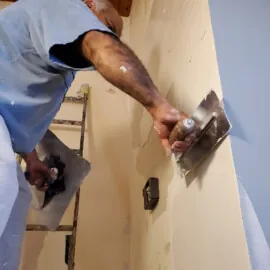
Drywall Taping

When you walk into a beautifully finished home, one of the first things you notice often without realizing it is the smoothness of the walls. Clean lines, even surfaces, and seamless corners create a polished look that elevates every room. Behind that flawless appearance lies a crucial but often underestimated process: professional drywall taping.

Drywall installation alone does not guarantee smooth walls. The real transformation happens during taping and finishing, where joints are concealed, imperfections are corrected, and surfaces are prepared for paint, texture, or wallpaper. At Bakir Contracting, we know that expert drywall taping is the difference between walls that merely exist and walls that truly enhance your home.

In this blog, we’ll explore why drywall taping matters, what makes professional work superior, common mistakes homeowners encounter, and how expert taping contributes to long-lasting, visually perfect interiors.

What Is Drywall Taping and Why Does It Matter?

Drywall taping is the process of reinforcing and concealing the seams between drywall panels using joint tape and compound. While drywall sheets create the structure of your walls and ceilings, the joints between them are weak points that require reinforcement and careful finishing.

Without proper taping:

  • Seams remain visible through paint

  • Cracks form over time due to settling

  • Corners appear uneven or wavy

  • Light reflects poorly, highlighting flaws

Professional drywall taping creates a continuous, unified surface, making walls appear as though they were constructed from a single, solid plane. This step is essential for achieving paint-ready results and ensuring the durability of your walls.

Why Professional Drywall Taping Is Different from DIY

Many homeowners consider drywall taping a manageable DIY task. While small repairs can be handled independently, full-scale taping requires skill developed through experience.

Professional drywall taping offers:

  • Consistent pressure and compound thickness

  • Proper tape embedding without bubbles

  • Seamless feathering of joints

  • Clean, sharp corners

  • Fewer sanding issues and dust problems

DIY taping often results in uneven seams, over-sanding, or visible ridges that only become more obvious after painting. Once paint goes on, fixing these flaws can require extensive rework or complete drywall replacement. This is why understanding why drywall replacement matters is important when early mistakes compromise long-term performance and appearance.

The Role of Drywall Taping in Overall Home Renovations

Drywall taping is not an isolated task it directly affects the success of your entire renovation project. Whether you’re updating a single room or completing a full remodel, walls serve as the backdrop for everything else.

In kitchen renovations, smooth walls enhance cabinetry, backsplashes, and lighting. During basement remodels, proper taping prevents cracks caused by moisture or temperature changes. In whole-home upgrades, consistent wall finishes create visual continuity from room to room.

That’s why drywall work must be carefully planned alongside other renovation stages, just as outlined in The Process of Kitchen Remodeling.

Common Drywall Taping Mistakes That Ruin Wall Finishes

Improper drywall taping can undermine even the most expensive renovations. Some of the most common mistakes include:

1. Poor Seam Preparation

Dust, loose gypsum, or uneven edges prevent tape from bonding correctly. This leads to bubbling or peeling over time.

2. Incorrect Tape Selection

Using mesh tape in corners or high-stress areas can cause cracking, while improper paper tape application can lead to weak joints.

3. Uneven Compound Application

Applying too much compound creates ridges; too little leaves visible seams. Achieving balance requires practiced technique.

4. Rushing Drying Time

Insufficient drying between coats weakens joints and leads to future cracks.

5. Over-Sanding

Aggressive sanding damages tape and exposes seams, compromising durability.

Many of these issues are discussed in detail in Drywall Installation Mistakes That Can Cost You Later and How to Avoid Them, which highlights how early errors escalate into costly repairs.

Why Corners and Ceilings Require Expert Attention?

Corners and ceilings are the most challenging areas of drywall taping. These locations experience the most stress due to building movement, temperature changes, and gravity.

Professional drywall tapers:

  • Use reinforced paper tape for corners

  • Maintain sharp, straight angles

  • Apply compound evenly on both sides

  • Allow adequate drying time between coats

Ceilings, especially in open-concept homes, demand flawless finishes because light reflects across them. Even minor imperfections become noticeable under natural or recessed lighting.

Layering: The Secret to Perfect Wall Finishes

Professional drywall taping is never a one-step process. It involves multiple layers, each serving a specific purpose:

  1. Tape Coat – Embeds the tape and reinforces seams

  2. Fill Coat – Levels the joint and conceals the tape

  3. Finish Coat – Smooths the surface for final sanding

Each layer is applied wider than the last to create a gradual transition between drywall panels. This technique ensures walls look smooth, not patched.

At Bakir Contracting, we follow this proven layering process to deliver consistent, paint-ready results across all projects.

The Impact of Lighting on Drywall Taping Quality

One reason professional taping is so important is how light interacts with walls. Natural sunlight, LED fixtures, and accent lighting all highlight surface imperfections.

Poorly taped seams may not be visible at first but become glaringly obvious once:

  • Walls are painted with semi-gloss or satin finishes

  • Large windows introduce directional light

  • Feature lighting is installed

This is especially important in modern renovations, where clean lines and smooth finishes are emphasized, as seen in Latest Trends in Edmonton Home Renovations.

Drywall Taping and Long-Term Durability

Beyond appearance, professional drywall taping improves structural durability. Properly reinforced seams:

  • Reduce cracking from building settlement

  • Withstand temperature and humidity changes

  • Minimize future maintenance

  • Extend the lifespan of paint and finishes

In regions with seasonal shifts, like Alberta, walls expand and contract. Expert taping absorbs this movement without visible damage, protecting your investment for years.

How Drywall Taping Affects Paint and Texture Results

Paint can only look as good as the surface beneath it. Even premium paints cannot hide poor drywall taping.

Professionally taped walls:

  • Require fewer paint coats

  • Produce even color absorption

  • Enhance texture consistency

  • Prevent flashing and shadowing

This is especially critical when pairing drywall finishes with flooring upgrades, where visual harmony matters. Similar attention to detail is highlighted in Why Professional Flooring and Carpet Installation Is Essential for a Smooth Finish.

When Should You Choose Professional Drywall Taping?

Hiring professionals is highly recommended when:

  • Completing new construction or major renovations

  • Finishing basements or ceilings

  • Repairing water-damaged drywall

  • Preparing walls for high-end finishes

  • Addressing recurring cracks or seam failures

In these cases, professional taping prevents repeated repairs and ensures long-term satisfaction.

Why Homeowners Trust Bakir Contracting for Drywall Finishing

At Bakir Contracting, drywall taping is treated as a precision craft not a rushed task. Our team understands that flawless walls are the foundation of beautiful interiors.

We focus on:

  • Thorough surface preparation

  • Proper material selection

  • Controlled application techniques

  • Clean, consistent results

  • Seamless coordination with other renovation phases

Our drywall services integrate smoothly with broader renovation planning, supported by our proven approach to seamless project management for your home.

Final Thoughts

Drywall taping may be hidden beneath paint, but its impact is impossible to ignore. From smooth finishes and crisp corners to durable, crack-resistant walls, professional drywall taping sets the standard for quality interiors.

Whether you’re renovating a kitchen, finishing a basement, or upgrading your entire home, investing in expert drywall taping ensures results that look better, last longer, and add real value to your space.

If you’re aiming for walls that truly elevate your home, trust the professionals at Bakir Contracting to deliver flawless finishes done right the first time. Contact us today!

FAQs

1. Why is professional drywall taping important?

A. Professional drywall taping ensures that joints between drywall panels are properly reinforced and concealed, creating smooth, seamless walls. Expert taping prevents visible seams, cracking, and uneven surfaces, resulting in walls that look polished and hold up well over time.

2. What happens if drywall taping is done incorrectly?

A. Improper drywall taping can lead to cracks, bubbling tape, uneven joints, and visible lines after painting. These issues often become more noticeable over time and may require costly repairs or even drywall replacement if not addressed correctly.

3. Can drywall taping affect how paint looks on the walls?

A. Yes, drywall taping directly impacts paint quality. Poorly taped seams can show through paint, especially under bright lighting or with glossy finishes. Professionally taped walls allow paint to apply evenly, improving color consistency and overall appearance.

4. How many coats are needed for proper drywall taping?

A. Typically, professional drywall taping involves three coats: a tape coat to embed the tape, a fill coat to level the joint, and a finish coat to create a smooth, paint-ready surface. Each coat must dry fully before the next is applied for best results.

5. Is drywall taping necessary for small repairs?

A. Yes, even small drywall repairs require proper taping to ensure durability and a smooth finish. Skipping or rushing the taping process can cause cracks or visible patches, making the repair stand out rather than blend seamlessly with the wall.

6. How long does drywall taping take to complete?

A. The timeline depends on the size of the project, drying time between coats, and environmental conditions. Most drywall taping projects take several days to complete to allow for proper drying, sanding, and finishing.

7. What areas of the home require the most attention during drywall taping?

A. Corners, ceilings, and high-traffic areas require extra care during drywall taping. These areas are more prone to movement and stress, making professional techniques essential to prevent future cracking or separation.

8. Should I hire professionals for drywall taping during renovations?

A. Hiring professionals is highly recommended, especially for large renovations, kitchens, basements, and areas with complex corners or lighting. Professional drywall taping ensures consistent quality, saves time, and reduces the risk of future repairs.

Tips for Planning Your Perfect Bathroom Renovation

bathroom remodelling

A bathroom renovation is one of the most rewarding home improvement projects you can undertake but it’s also one of the most complex. While bathrooms may be smaller than kitchens or living areas, they involve intricate plumbing, electrical systems, waterproofing, ventilation, and precise material selection. Without proper planning, even a simple update can quickly turn into a costly and stressful experience.

At Bakir Contracting, we’ve helped countless Alberta homeowners transform outdated bathrooms into functional, stylish, and long-lasting spaces. This comprehensive guide shares expert tips to help you plan your bathroom renovation with confidence, avoid common pitfalls, and achieve results you’ll love for years to come.

1. Begin With Clear Goals and a Realistic Budget

Before selecting tiles, fixtures, or color palettes, take time to define the purpose of your renovation. Are you upgrading a tired bathroom for better functionality, preparing your home for resale, or creating a spa-like retreat for relaxation? Your goals will guide every decision that follows.

Equally important is setting a realistic budget. A well-planned bathroom renovation budget should include:

  • Fixtures such as toilets, vanities, tubs, and showers

  • Tiles, flooring, lighting, and accessories

  • Labor costs, which often account for a significant portion of the total

  • A contingency reserve of at least 15–20% for unexpected repairs

Hidden issues like water damage, outdated plumbing, or subfloor deterioration are common especially in older homes. Many homeowners underestimate these costs, which is why learning from common renovation mistakes Alberta homeowners should avoid can save both time and money.

2. Design for Function First Then Style

A beautiful bathroom that doesn’t function well will quickly become frustrating. When planning your layout, think beyond aesthetics and consider how the space will be used daily.

Ask yourself:

  • How many people will use this bathroom regularly?

  • Do you need dual sinks or extra storage?

  • Would a walk-in shower be more practical than a bathtub?

  • Will your needs change in the next 10–15 years?

Future-proofing your bathroom with wider walkways, comfort-height fixtures, or curbless showers can add long-term value and usability. Smart planning now prevents expensive redesigns later.

3. Maximize Your Bathroom Layout

Even small bathrooms can feel spacious with the right layout. Strategic design choices such as wall-mounted vanities, sliding doors, or recessed shelving can dramatically improve flow and usability.

In some cases, adjusting the placement of a door or window can unlock valuable space. However, layout changes involving plumbing or structural elements should always be evaluated by professionals to ensure feasibility and compliance with local building standards.

4. Create a Clear Renovation Timeline

Bathroom renovations involve multiple stages that must be completed in the correct sequence. A realistic timeline helps manage expectations and minimizes disruption to your household.

Typical stages include:

  1. Demolition and removal

  2. Structural or layout changes

  3. Plumbing rough-ins

  4. Electrical work

  5. Waterproofing

  6. Tiling and flooring

  7. Fixture and vanity installation

  8. Final finishes and inspections

Most full bathroom renovations take three to six weeks, depending on size and complexity. Professional coordination is key, which is why many homeowners rely on experienced contractors who understand seamless project scheduling and execution similar to the approach outlined in how Bakir Contracting ensures seamless project management for your home.

5. Understand Local Codes and Regulations

Bathroom renovations must comply with building codes related to safety, durability, and performance. These regulations typically cover:

  • Waterproofing standards

  • Electrical safety near water sources

  • Ventilation requirements

  • Structural modifications

While cosmetic updates usually don’t require permits, changes involving plumbing, electrical systems, or walls often do. Working with a licensed contractor ensures all work meets current standards and avoids issues during resale or inspections.

6. Choose the Right Professionals

The success of your bathroom renovation depends heavily on the expertise of the professionals you hire. Skilled contractors don’t just install materials they help you avoid costly mistakes and deliver a polished finish.

When choosing a renovation partner:

  • Verify licensing and insurance

  • Review past bathroom renovation projects

  • Compare detailed quotes

  • Establish clear communication expectations

Booking early is essential, as reputable contractors are often scheduled months in advance especially during peak renovation seasons in Alberta.

7. Upgrade Behind-the-Walls Systems

One of the most overlooked aspects of bathroom renovations is what lies beneath the surface. Old plumbing, inadequate waterproofing, or outdated electrical wiring can compromise even the most beautiful design.

Key upgrades to prioritize include:

  • Modern plumbing systems for efficiency and reliability

  • High-quality waterproofing membranes

  • Updated electrical wiring and GFCI outlets

  • Proper ventilation to prevent moisture buildup

Bathrooms are particularly vulnerable to water damage, making proper preparation essential similar to the preventive steps outlined in how to handle water damage in your Sherwood Park home.

8. Select Durable, Moisture-Resistant Materials

Bathrooms demand materials that can withstand humidity, splashes, and daily use. Choosing the right products ensures longevity and easier maintenance.

Recommended materials include:

  • Porcelain or ceramic tiles for walls and floors

  • Moisture-resistant drywall or cement board

  • Sealed natural stone for a luxury finish

  • High-quality fixtures with solid warranties

Flooring choices are particularly important. Many homeowners now opt for water-resistant options inspired by modern flooring solutions, similar to those discussed in vinyl flooring in St. Albert: a complete guide.

9. Plan Smart Storage Solutions

An organized bathroom feels larger, calmer, and more functional. Thoughtful storage planning ensures everything has its place without cluttering the space.

Consider:

  • Floating vanities for visual openness

  • Built-in shower niches

  • Recessed medicine cabinets

  • Vertical storage for towels and toiletries

Storage should accommodate daily essentials as well as cleaning supplies and spare linens, especially in family bathrooms.

10. Design Layered Lighting for Comfort and Style

Lighting plays a crucial role in both functionality and ambiance. A layered lighting approach creates balance and flexibility.

Effective bathroom lighting includes:

  • Ambient ceiling lighting for overall brightness

  • Task lighting around mirrors for grooming

  • Accent lighting for architectural features or mood

Always use moisture-rated fixtures in wet zones to ensure safety and longevity.

11. Test Everything Before Completion

Before your bathroom renovation is officially complete, thorough testing is essential. This step ensures all systems perform as expected and prevents post-project surprises.

Final checks should include:

  • Leak testing all plumbing connections

  • Verifying proper drainage

  • Testing electrical outlets and lighting

  • Confirming ventilation effectiveness

Catching issues early is far easier than addressing them after finishes are installed.

12. Avoid Common Bathroom Renovation Pitfalls

Many renovation regrets stem from rushed decisions or poor planning. Common mistakes include underestimating costs, choosing style over function, and skipping professional guidance.

Learning from others’ experiences such as those outlined in avoid these common mistakes when bathroom remodeling in Edmonton can help you make informed decisions and protect your investment.

13. Why Work With Bakir Contracting?

Planning a bathroom renovation can feel overwhelming, but you don’t have to do it alone. At Bakir Contracting, we guide homeowners through every step from initial design to final inspection with transparency, precision, and craftsmanship.

Our experienced team focuses on:

  • Thoughtful planning and clear communication

  • High-quality materials and workmanship

  • Code-compliant installations

  • On-time, on-budget project delivery

We don’t just renovate bathrooms we create spaces designed for comfort, durability, and long-term value.

Final Thoughts

A successful bathroom renovation starts long before demolition begins. With careful planning, realistic budgeting, smart design choices, and professional execution, you can transform your bathroom into a space that enhances both your daily routine and your home’s value.

Whether you’re planning a minor refresh or a full transformation, following these expert tips will help ensure your renovation journey is smooth, efficient, and rewarding.

If you’re ready to start planning your perfect bathroom renovation, Contact Bakir Contracting to help bring your vision to life beautifully and responsibly.

FAQs

1. How long does a complete bathroom renovation usually take?
A full bathroom renovation typically takes between 3 to 6 weeks, depending on the size of the space, the complexity of the design, and whether plumbing or structural changes are involved. Factors such as custom materials, inspections, and unforeseen repairs can also affect the timeline.

2. How much should I budget for a bathroom renovation?
The cost of a bathroom renovation varies based on materials, layout changes, and fixture selections. Homeowners should budget for materials, labor, and a 15–20% contingency fund to cover unexpected issues such as water damage or outdated plumbing discovered during the renovation.

3. Do I need permits for a bathroom renovation in Alberta?
Permits are usually required if your renovation involves plumbing, electrical work, or structural changes. Cosmetic updates like replacing tiles or fixtures typically do not require permits. Working with a professional contractor ensures all necessary permits and code requirements are handled properly.

4. What is the most important part of a bathroom renovation?
Proper planning and behind-the-wall upgrades are crucial. Waterproofing, plumbing, electrical systems, and ventilation may not be visible once the project is complete, but they are essential for preventing leaks, mould, and costly repairs in the future.

5. Can I renovate a small bathroom to make it feel bigger?
Yes. Smart design solutions such as wall-mounted vanities, light-colored tiles, large-format mirrors, recessed storage, and efficient lighting can make even small bathrooms feel more open and functional without expanding the footprint.

6. What materials are best for bathrooms with high moisture levels?
Moisture-resistant materials such as porcelain or ceramic tiles, cement board, sealed natural stone, and quality bathroom fixtures are ideal. These materials are durable, easy to maintain, and designed to withstand humidity and daily water exposure.

7. Is it worth upgrading plumbing and electrical systems during a renovation?
Absolutely. Upgrading outdated plumbing and electrical systems improves safety, efficiency, and long-term reliability. These upgrades also help prevent future issues and ensure your bathroom meets current building standards.

8. How can I add more storage to my bathroom without cluttering it?
Built-in niches, recessed medicine cabinets, floating vanities, and vertical storage solutions are excellent ways to maximize storage while keeping the bathroom clean, open, and visually appealing.

9. What type of lighting works best in a bathroom?
A layered lighting approach works best. This includes ambient overhead lighting, task lighting around mirrors for grooming, and optional accent lighting for ambiance. All fixtures in wet areas should be moisture-rated for safety.

10. Why should I hire a professional contractor for my bathroom renovation?
A professional contractor ensures proper planning, quality workmanship, code compliance, and efficient project management. This reduces stress, avoids costly mistakes, and results in a bathroom that is both beautiful and built to last.

Vinyl Flooring in St. Albert: A Complete Guide to Style, Durability, and Installation

flooring

When it comes to upgrading your home’s flooring, vinyl flooring has become one of the most popular choices among homeowners in St. Albert. Known for its durability, versatility, and affordability, vinyl flooring offers the look of hardwood or tile without the high maintenance or cost. Whether you’re renovating a single room or planning a full home upgrade, vinyl flooring provides a practical and modern solution that suits Alberta’s climate and lifestyle.

At Bakir Contracting, we help homeowners choose and install vinyl flooring that enhances comfort, improves functionality, and adds lasting value. This guide explores everything you need to know from planning and preparation to installation and long-term care.

Why Vinyl Flooring Is Ideal for St. Albert Homes

St. Albert homes face unique challenges, including fluctuating temperatures, moisture exposure, and heavy foot traffic during long winters. Vinyl flooring is designed to withstand these conditions while maintaining its appearance and performance.

One of the biggest advantages of vinyl flooring is its water resistance. Unlike traditional hardwood, vinyl won’t warp or swell when exposed to moisture, making it an excellent choice for kitchens, bathrooms, basements, and entryways. It’s also softer underfoot, which adds comfort during colder months.

In addition to performance, vinyl flooring offers a wide range of design options, allowing homeowners to achieve a high-end look without exceeding their renovation budget. This balance of durability and style makes vinyl a smart investment for modern homes.

Types of Vinyl Flooring Available

Understanding the different types of vinyl flooring can help you choose the best option for your space. Each type offers distinct benefits depending on where and how it’s installed.

Luxury Vinyl Plank (LVP)

Luxury vinyl plank mimics the appearance of natural hardwood while offering superior moisture resistance. It’s ideal for open-concept living areas, bedrooms, and kitchens where style and durability are equally important.

Luxury Vinyl Tile (LVT)

Luxury vinyl tile replicates stone or ceramic tile and works well in bathrooms, laundry rooms, and entryways. It provides the elegance of tile without cold surfaces or grout maintenance.

SPC and WPC Vinyl Flooring

SPC (Stone Plastic Composite) and WPC (Wood Plastic Composite) vinyl flooring options offer enhanced stability and comfort. SPC is known for rigidity and durability, while WPC provides a softer feel underfoot, making both excellent choices for busy households.

Choosing the right vinyl flooring depends on lifestyle, room usage, and long-term goals. Professional guidance ensures the flooring selected aligns with your needs.

Planning Your Vinyl Flooring Installation

Successful vinyl flooring installation begins with careful planning. Before installation day, homeowners should consider room usage, existing flooring conditions, and the desired finish.

It’s also important to avoid common renovation pitfalls that can lead to costly repairs later. Many homeowners underestimate the importance of preparation, which can impact the final outcome. Reviewing biggest home renovation mistakes Alberta homeowners should avoid can help you make informed decisions early in the process.

Planning also includes scheduling installation during a time that minimizes disruption. While vinyl flooring installation is typically faster than other flooring types, proper preparation ensures a smooth experience.

Preparing Your Space for Vinyl Flooring

Room preparation plays a critical role in the success of vinyl flooring installation. Before installers arrive, furniture, appliances, and personal belongings should be removed from the area. Existing flooring such as carpet, laminate, or tile may also need to be removed, depending on the subfloor condition.

Subfloor preparation is especially important. Vinyl flooring requires a clean, level, and dry surface to perform properly. Any cracks, dips, or moisture issues must be addressed before installation begins. Skipping this step can lead to uneven floors, premature wear, or visible imperfections.

Homeowners undergoing broader renovations often coordinate flooring installation with other upgrades, such as drywall or insulation work. For insights into preparation best practices, see how to prepare your home for drywall installation, which highlights similar principles of proper site readiness.

What to Expect During the Installation Process

Vinyl flooring installation follows a structured process designed to ensure accuracy and long-term durability. While timelines may vary depending on room size and flooring type, most installations are completed efficiently with minimal disruption.

Pre-Installation Inspection

Before installation begins, flooring materials are inspected for defects, color consistency, and damage. Installers also confirm measurements and layout direction to ensure a balanced, visually appealing result.

Subfloor Preparation

The subfloor is cleaned, leveled, and repaired as needed. This step ensures the vinyl planks or tiles sit properly and remain stable over time.

Underlayment (If Required)

Some vinyl flooring products include built-in underlayment, while others may require an additional layer. The decision depends on the flooring type, subfloor condition, and soundproofing needs.

Installation and Finishing Touches

Planks or tiles are installed with proper spacing to allow for expansion. Once the flooring is in place, finishing elements such as baseboards, transition strips, and trim are added for a polished look.

Professional installation ensures precision and helps protect your investment. Learn why expert installation matters by reading why professional flooring and carpet installation is essential for a smooth finish.

Vinyl Flooring for Kitchens and High-Traffic Areas

Vinyl flooring is particularly well-suited for kitchens, where spills, moisture, and heavy use are common. Its water resistance and easy maintenance make it a reliable option for busy households.

Choosing the right vinyl product for kitchens requires careful consideration of durability, slip resistance, and aesthetics. If you’re comparing vinyl to other materials, this guide on what kind of flooring is best for a kitchen offers helpful insights.

Beyond kitchens, vinyl flooring performs exceptionally well in hallways, basements, and living areas spaces that experience daily wear and tear.

Design Flexibility and Modern Styles

One of the biggest reasons homeowners choose vinyl flooring is its design versatility. Today’s vinyl products closely replicate wood grain textures, stone finishes, and contemporary patterns, allowing homeowners to achieve almost any aesthetic.

Vinyl flooring pairs well with modern renovation trends, including open layouts and minimalist interiors. Homeowners looking to align flooring upgrades with broader design trends can explore inspiration from latest trends in Edmonton home renovations.

From rustic to modern, vinyl flooring adapts effortlessly to evolving styles while maintaining durability.

Maintenance and Long-Term Care

Vinyl flooring is known for its low maintenance requirements. Regular sweeping and occasional damp mopping are usually enough to keep it looking new. Unlike hardwood, vinyl does not require refinishing or special treatments.

Protective measures such as felt pads under furniture and prompt cleanup of spills help extend the lifespan of the floor. With proper care, vinyl flooring can maintain its appearance for many years, making it a cost-effective long-term solution.

Why Choose Bakir Contracting for Vinyl Flooring in St. Albert?

Installing vinyl flooring is more than just laying planks it requires expertise, planning, and attention to detail. At Bakir Contracting, we provide end-to-end flooring solutions, from consultation and material selection to professional installation and final inspection.

Our team understands local building conditions and works closely with homeowners to deliver flooring solutions that match their lifestyle and budget. With a commitment to quality craftsmanship and transparent communication, we ensure every project is completed to the highest standard.

If your flooring upgrade is part of a larger renovation, you may also benefit from learning how Bakir Contracting ensures seamless project management for your home.

Transform Your Home with Vinyl Flooring

Vinyl flooring offers the perfect combination of durability, style, and value for homeowners in St. Albert. Whether you’re renovating a single room or upgrading your entire home, vinyl flooring delivers long-lasting performance with minimal maintenance.

Ready to upgrade your floors? Contact Bakir Contracting today to explore vinyl flooring options and take the next step toward a more beautiful, functional home.

FAQs

Q. Is vinyl flooring suitable for St. Albert’s climate?

A. Yes, vinyl flooring is an excellent choice for St. Albert homes. It handles temperature changes well, resists moisture, and remains stable during Alberta’s cold winters and seasonal humidity shifts.

Q. How long does vinyl flooring last?

A. With proper installation and regular maintenance, high-quality vinyl flooring can last 15 to 25 years or more. Its durability makes it ideal for high-traffic areas such as kitchens, hallways, and living rooms.

Q. Can vinyl flooring be installed over existing floors?

A. In many cases, vinyl flooring can be installed over existing flooring such as tile or laminate, as long as the surface is clean, level, and in good condition. A professional assessment ensures the subfloor meets installation requirements.

Q. Is vinyl flooring waterproof?

A. Most modern vinyl flooring products are water-resistant or fully waterproof, making them suitable for kitchens, bathrooms, basements, and entryways where moisture is a concern.

Q. How long does vinyl flooring installation take?

A. Vinyl flooring installation is typically quick and efficient. Most residential projects can be completed within 1 to 3 days, depending on room size, subfloor preparation, and the type of vinyl selected.

Q. Why should I hire a professional for vinyl flooring installation?

A. Professional installation ensures proper subfloor preparation, accurate measurements, and correct expansion spacing. Hiring experts like Bakir Contracting helps prevent issues such as uneven surfaces, lifting edges, or premature wear.

The Process of Kitchen Remodeling: A Step-by-Step Guide for Homeowners

kitchen makeover

The kitchen is more than just a place to cook it’s where families gather, conversations happen, and daily life unfolds. If your kitchen feels outdated, cramped, or inefficient, a professional kitchen remodel can completely transform how your home looks and functions. Understanding the kitchen remodeling process helps you plan confidently, avoid costly mistakes, and achieve results that truly match your lifestyle.

At Bakir Contracting, we believe that a successful kitchen remodel is built on thoughtful planning, expert execution, and clear communication. Below, we walk you through each stage of the kitchen remodeling process so you know exactly what to expect from start to finish.

Step 1: Defining Your Kitchen Remodeling Goals

Every successful kitchen remodel begins with clarity. Before any designs are created or materials selected, it’s essential to define your goals. Ask yourself what isn’t working in your current kitchen and what you want to improve.

Some homeowners want more storage and counter space, while others prioritize better lighting, modern appliances, or an open-concept layout. Your goals may also include increasing home value, improving energy efficiency, or creating a more family-friendly space.

This is also the stage where homeowners can benefit from learning what not to do. Understanding common renovation pitfalls early can save time, stress, and money. For insights on avoiding costly missteps, review this guide on biggest home renovation mistakes Alberta homeowners should avoid.

Step 2: Budget Planning and Timeline Expectations

Once your goals are clear, the next step is establishing a realistic budget. Kitchen remodeling costs can vary depending on layout changes, material choices, cabinetry quality, and appliance upgrades. A professional contractor will help you balance your vision with your budget while identifying areas where investing more can deliver long-term value.

Equally important is setting a reasonable timeline. Kitchen remodels typically take several weeks, depending on the scope of work. Planning ahead ensures minimal disruption to your daily routine and helps prevent rushed decisions later in the process.

If you’re planning a renovation as part of a larger home upgrade, strategic timing matters. Homeowners often find value in aligning projects with long-term renovation goals, as outlined in how to plan your 2025 home makeover with Bakir Contracting.

Step 3: Kitchen Design and Layout Planning

Design is where your kitchen begins to take shape. During this phase, layout decisions are finalized, cabinetry styles are selected, and functional details are refined. A well-designed kitchen balances aesthetics with workflow, ensuring ease of movement between cooking, cleaning, and storage zones.

Homeowners can choose between traditional layouts, open-concept kitchens, or modern designs that incorporate islands and breakfast bars. Material selection is also crucial at this stage from cabinets and countertops to backsplashes and hardware.

For inspiration on styles that blend beauty and practicality, explore innovative kitchen renovation ideas to transform your home, which highlights creative ways to enhance both design and functionality.

Step 4: Permits, Measurements, and Pre-Construction Preparation

Before construction begins, precise measurements and proper permits are required especially if structural changes, plumbing relocation, or electrical upgrades are involved. A professional contractor ensures all local building codes are followed and inspections are scheduled as needed.

During this phase, materials are ordered, appliances are confirmed, and final design details are locked in. Homeowners may also need to prepare for temporary kitchen downtime by setting up a small cooking area elsewhere in the home.

Good preparation helps the construction phase move smoothly and minimizes delays once work begins.

Step 5: Demolition and Structural Changes

Demolition is often the most visible and dramatic phase of kitchen remodeling. Old cabinets, countertops, flooring, and fixtures are carefully removed to make way for the new design. If walls are being removed or layouts adjusted, structural work may also take place during this stage.

While demolition can feel disruptive, it’s a necessary step in creating a functional and modern kitchen. Professional crews prioritize safety, dust control, and proper disposal to keep the rest of your home protected.

This stage also allows contractors to identify any hidden issues such as outdated wiring, plumbing concerns, or insulation problems that need to be addressed before moving forward.

Step 6: Plumbing, Electrical, and Mechanical Upgrades

Once demolition is complete, the behind-the-scenes work begins. Plumbing lines, electrical wiring, and ventilation systems are installed or upgraded according to the new kitchen layout. This step is critical for ensuring safety, efficiency, and long-term reliability.

Modern kitchens often include upgraded lighting, additional outlets, smart appliances, and energy-efficient fixtures. Addressing these systems now ensures your kitchen meets current standards and supports future technology.

Proper coordination during this phase is essential, and experienced contractors rely on strong project management systems to keep everything on schedule. Learn more about this approach in how Bakir Contracting ensures seamless project management for your home.

Step 7: Cabinet, Countertop, and Flooring Installation

With infrastructure complete, your kitchen begins to come together visually. Cabinets are installed first, forming the foundation of storage and layout. Countertops follow, offering both durability and style, while flooring ties the entire space together.

Choosing the right flooring is especially important in kitchens due to moisture, spills, and heavy foot traffic. Materials must balance durability with aesthetics.

Each installation step is carefully measured and aligned to ensure a polished, professional finish.

Step 8: Backsplashes, Lighting, and Finishing Details

Finishing touches are what truly personalize your kitchen. Backsplashes add texture and visual interest, while lighting enhances both function and ambiance. Under-cabinet lighting, pendant lights, and recessed fixtures are commonly used to create layered illumination.

Hardware, faucets, and paint colors also play a major role in defining your kitchen’s final look. These details may seem small, but together they create a cohesive and refined space that reflects your style.

Homeowners interested in cohesive design upgrades often find value in professional advice on countertops and backsplashes, such as the insights shared in expert tips for choosing the right countertop and backsplash installation services.

Step 9: Final Inspection and Walkthrough

Before the project is officially complete, a final inspection ensures everything meets quality standards and design expectations. Contractors review cabinetry alignment, appliance functionality, electrical fixtures, and plumbing connections.

Homeowners are encouraged to walk through the space, ask questions, and confirm that all details meet their expectations. Any final adjustments are addressed promptly, ensuring complete satisfaction before project closeout.

Step 10: Enjoying Your Newly Remodeled Kitchen

Once complete, your remodeled kitchen becomes a space designed for daily living, entertaining, and lasting value. Improved functionality, modern design, and quality craftsmanship come together to create a kitchen that feels both inviting and efficient.

A professional remodel not only enhances your lifestyle but also adds long-term value to your home making it one of the most rewarding renovation investments you can make.

Why Choose Bakir Contracting for Your Kitchen Remodel?

At Bakir Contracting, we understand that kitchen remodeling is a significant investment. Our experienced team is committed to guiding homeowners through every step from planning and design to construction and finishing ensuring a smooth, transparent, and stress-free experience.

Whether you’re updating a dated kitchen or creating a completely new layout, we bring expertise, craftsmanship, and attention to detail to every project.

Ready to start your kitchen remodeling journey? Contact Bakir Contracting today and take the first step toward a kitchen that truly feels like the heart of your home.

FAQs

Q. How long does a kitchen remodeling project usually take?

A. The timeline for a kitchen remodel depends on the scope of work, design complexity, and material availability. On average, a full kitchen remodeling project can take anywhere from 4 to 8 weeks, starting from demolition to final installation. Structural changes or custom cabinetry may extend the timeline slightly.

Q. How much does kitchen remodeling cost?

A. Kitchen remodeling costs vary based on factors such as layout changes, cabinet quality, countertops, flooring, and appliance upgrades. A professional contractor like Bakir Contracting will help you establish a realistic budget and provide transparent pricing based on your specific needs and design goals.

Q. Do I need permits for kitchen remodeling?

A. Yes, permits are often required if your kitchen remodel involves electrical upgrades, plumbing changes, structural modifications, or wall removal. Bakir Contracting handles the permit process and ensures all work complies with local building codes and safety regulations.

Q. Can I use my kitchen during the remodeling process?

A. In most cases, your kitchen will be partially or fully unusable during certain stages of remodeling, especially during demolition and installation. Many homeowners set up a temporary kitchen space elsewhere in the home to manage daily needs while construction is underway.

Q. What should I prioritize when remodeling my kitchen?

A. Key priorities should include functionality, storage, workflow, lighting, and durable materials. A well-planned kitchen layout improves efficiency while high-quality cabinets, countertops, and flooring ensure long-term performance and value.

Q. Why should I hire a professional contractor for kitchen remodeling?

A. Hiring a professional contractor ensures proper planning, code compliance, quality workmanship, and efficient project management. With experienced professionals like Bakir Contracting, you reduce the risk of costly mistakes and enjoy a smoother remodeling experience from start to finish.

Biggest Home Renovation Mistakes Alberta Homeowners Should Avoid

Man Working

Home renovations are exciting. Whether you’re upgrading a kitchen, finishing a basement, or modernizing an older property, a well-planned renovation can dramatically improve comfort, functionality, and property value. However, for many Alberta homeowners, renovation projects don’t always go as planned. Cost overruns, delays, and unexpected repairs are common and often avoidable.

Alberta’s climate, building codes, and housing styles present unique challenges that make renovations more complex than in other regions. At Bakir Contracting, we’ve seen firsthand how small oversights can turn into costly mistakes if not addressed early.

To help you renovate with confidence, we’re breaking down the biggest home renovation mistakes Alberta homeowners should avoid, along with expert insights on how to get it right the first time.

1. Prioritizing Aesthetics Over Structural Essentials

One of the most common renovation mistakes is focusing solely on what you can see new cabinets, fresh paint, stylish flooring while ignoring what lies beneath the surface.

Structural and mechanical elements such as insulation, plumbing, electrical systems, roofing, and foundations may not be glamorous, but they are the backbone of a safe and durable home. Skipping these essentials can result in serious issues later, including leaks, mould growth, uneven floors, or even structural damage.

For example, installing a stunning kitchen without addressing outdated plumbing can lead to water damage that ruins cabinetry and countertops. Similarly, new flooring won’t perform well if subfloors are damaged or uneven.

Before starting cosmetic upgrades, a pre-renovation inspection is essential. Identifying hidden issues early allows you to allocate your budget wisely and avoid major surprises. Bakir Contracting emphasizes proper planning and assessments to ensure your renovation is built on a solid foundation.

Learn why inspections matter in our guide on pre-renovation home inspections for Edmonton homeowners.

2. Underestimating Alberta’s Harsh Climate

Alberta’s long, cold winters and fluctuating temperatures have a significant impact on renovation timelines and material choices. Failing to account for climate-related challenges is a costly mistake many homeowners make.

Cold weather can slow construction, affect material performance, and complicate exterior work such as roofing, siding, and extensions. Interior renovations also require proper humidity control, insulation upgrades, and ventilation planning to prevent condensation and heat loss.

Energy efficiency should never be an afterthought. Poor insulation or outdated windows can result in higher heating bills and reduced comfort especially during peak winter months.

Smart renovations consider seasonal timing, weather-resistant materials, and long-term efficiency. Planning around Alberta’s climate ensures your home remains comfortable, durable, and energy-efficient year-round.

For more guidance, explore essential winter home maintenance tips for Alberta homes.

3. Ignoring Permits and Local Building Regulations

Skipping permits is a mistake that can derail your entire renovation project. Alberta’s building codes and municipal regulations are strict, and failing to comply can result in fines, delays, or even forced removal of completed work.

Many homeowners assume permits are only needed for large projects, but even smaller renovations such as basement developments, structural changes, plumbing, or electrical work often require approval.

Without proper permits:

  • Your renovation may fail inspections

  • Insurance claims could be denied

  • Future resale value may be negatively impacted

Working with a professional contractor ensures all permits are secured before construction begins. This protects both your investment and your peace of mind.

Learn more about what’s required in permits and regulations Edmonton homeowners must know.

4. Setting an Unrealistic or Incomplete Budget

Budgeting errors are one of the leading causes of renovation stress. Many homeowners underestimate costs or fail to plan for unexpected expenses.

A realistic renovation budget should include:

  • Materials and labour

  • Permit fees

  • Design and planning costs

  • Temporary living arrangements (if needed)

  • A contingency fund (typically 10–20%)

Unexpected issues such as water damage, outdated wiring, or structural repairs are common especially in older Alberta homes. Without a contingency buffer, homeowners may be forced to compromise on quality or halt projects mid-way.

Professional contractors help you understand true costs upfront, offering transparent pricing and guidance to align your renovation goals with your budget.

For smart planning tips, read how to plan your 2025 home makeover with Bakir Contracting.

5. Hiring Contractors Without Proper Research

Not all contractors offer the same level of experience, reliability, or workmanship. Hiring without due diligence can lead to missed deadlines, subpar results, and ongoing maintenance issues.

Before hiring a contractor, homeowners should:

  • Verify licensing and insurance

  • Review previous projects and testimonials

  • Ask for clear timelines and written contracts

  • Ensure experience with Alberta-specific renovations

A reputable general contractor coordinates trades, manages schedules, and ensures work meets safety codes. This not only saves time but significantly reduces stress throughout the renovation process.

Discover the benefits of working with professionals in the advantages of hiring expert general contractors in Sherwood Park.

6. Copying Trends Without Considering Functionality

Design trends are inspiring, but blindly copying what you see online or in showrooms can lead to regret. What works in one home or one climate may not work in yours.

For example:

  • Trendy open shelving may not suit busy kitchens

  • Certain flooring styles may struggle with Alberta’s temperature changes

  • Dark color palettes may reduce natural light in smaller spaces

Your renovation should reflect how you live, not just what’s popular. Functionality, durability, and personal lifestyle should guide design decisions.

Blending modern trends with practical solutions creates a space that’s both stylish and livable for years to come.

See what’s popular locally in latest trends in Edmonton home renovations.

7. Overlooking Project Management and Scheduling

Many homeowners assume renovations will “just come together,” but poor coordination between trades often leads to delays and rework. Scheduling mistakes such as installing flooring before painting or cabinetry before electrical work can increase costs and damage finished surfaces.

Effective project management ensures:

  • Tasks are completed in the correct sequence

  • Materials arrive on time

  • Trades are coordinated efficiently

  • Deadlines are realistic and achievable

A professional contractor acts as a single point of accountability, keeping the project on track from start to finish.

Learn how we manage renovations smoothly in how Bakir Contracting ensures seamless project management.

Renovate Smarter With Bakir Contracting

Avoiding renovation mistakes isn’t about perfection it’s about preparation, expertise, and informed decision-making. From Alberta’s climate challenges to building codes and budgeting realities, every detail matters.

At Bakir Contracting, we help homeowners navigate renovations with clarity and confidence. Our experienced team focuses on quality craftsmanship, transparent communication, and long-term value so your renovation enhances your home rather than creating new problems.

If you’re planning a renovation in Edmonton, Sherwood Park, or surrounding Alberta communities, contact Bakir Contracting today to get started the right way.

FAQs

1. What is the most common home renovation mistake Alberta homeowners make?

One of the most common mistakes is prioritizing cosmetic upgrades over structural or mechanical repairs. Issues like poor insulation, outdated plumbing, or roof damage should always be addressed before investing in finishes such as flooring, cabinets, or paint.

2. Do I need permits for home renovations in Alberta?

Yes, many renovations in Alberta require permits, including basement developments, structural changes, electrical work, plumbing, and major remodels. Skipping permits can lead to fines, failed inspections, and problems when selling your home.

3. How much extra should I budget for unexpected renovation costs?

It’s recommended to set aside 10–20% of your total renovation budget as a contingency fund. Unexpected issues like water damage, outdated wiring, or structural repairs are common, especially in older Alberta homes.

4. How does Alberta’s climate affect home renovation projects?

Alberta’s harsh winters can impact construction timelines, material performance, and energy efficiency. Renovations should account for proper insulation, moisture control, and weather-resistant materials to ensure long-term durability and comfort.

5. Why should I hire a professional contractor for my renovation?

A professional contractor ensures your renovation meets building codes, stays on schedule, and fits within your budget. Experienced contractors also manage permits, coordinate trades, and prevent costly mistakes that often occur with DIY or poorly planned projects.

Innovative Kitchen Renovation Ideas to Transform Your Home

kitchen countertop

The kitchen has evolved far beyond a place to prepare meals. Today, it’s a social hub, a creative workspace, and often the heart of the home. Whether you’re entertaining guests, enjoying family dinners, or simply starting your day with a cup of coffee, a well-designed kitchen makes a noticeable difference in daily life. With thoughtful planning and innovative ideas, a kitchen renovation can dramatically improve both functionality and aesthetics while also increasing your home’s value.

At Bakir Contracting, we’ve helped homeowners across Edmonton and surrounding areas reimagine their kitchens through smart design, quality craftsmanship, and efficient project management. If you’re considering a renovation, this guide explores modern, practical, and creative kitchen renovation ideas to inspire your next project.

Why Kitchen Renovations Are a Smart Investment

Kitchen renovations consistently rank among the most valuable home upgrades. Beyond improving appearance, a renovated kitchen enhances workflow, storage, energy efficiency, and comfort. Upgrading outdated layouts, cabinets, flooring, or lighting can significantly impact how the space feels and functions.

If you’re planning a larger home transformation, our guide on how to plan a successful home renovation in Edmonton offers valuable insights into budgeting, timelines, and decision-making.

Modern Kitchen Renovation Ideas for Today’s Homes

Modern kitchens prioritize clean lines, uncluttered layouts, and high-performing materials. One of the most popular approaches is minimalist cabinetry with flat-panel doors, soft-close hardware, and integrated handles. Neutral tones such as whites, greys, and warm beiges create a timeless base, while subtle accents add personality.

Large kitchen islands remain a cornerstone of modern design. They provide extra prep space, hidden storage, and seating for casual dining. Pairing the island with durable countertops such as quartz or stone ensures longevity and easy maintenance.

Smart technology is another defining feature of modern kitchens. Touchless faucets, under-cabinet lighting, smart appliances, and energy-efficient fixtures streamline daily tasks while reducing utility costs.

Contemporary Kitchens: Where Style Meets Function

Contemporary kitchen designs blend modern simplicity with creative expression. These kitchens often feature bold contrasts, mixed materials, and statement lighting. High-gloss cabinetry paired with matte finishes or metal accents creates visual depth without overwhelming the space.

Lighting plays a crucial role in contemporary kitchens. Pendant lights over islands, recessed ceiling lights, and ambient LED strips add both function and mood. Proper lighting also highlights textures and finishes, making the kitchen feel more dynamic and inviting.

Open shelving is another popular feature, especially in homes where visual openness is a priority. When combined with thoughtful organization, open shelves can make a kitchen feel larger and more personal.

Smart Solutions for Small and Compact Kitchens

Limited space doesn’t have to limit style. With smart planning, even compact kitchens can feel open, efficient, and comfortable. Vertical storage is key tall cabinets, pull-out pantries, and wall-mounted shelves help maximize every inch.

Multi-functional features such as fold-down tables, compact islands with storage, and built-in seating add flexibility without clutter. Light-colored cabinetry, reflective surfaces, and well-placed lighting create the illusion of a larger space.

If space optimization is a priority, you may find inspiration in our blog on maximizing small spaces with creative renovation ideas.

Farmhouse Kitchen Ideas with a Modern Twist

Farmhouse kitchens continue to grow in popularity, thanks to their warmth, charm, and timeless appeal. Modern farmhouse designs blend rustic elements with contemporary convenience, creating spaces that feel both cozy and functional.

Key features include apron-front sinks, natural wood cabinetry, and textured finishes such as shiplap or exposed beams. Soft, neutral color palettes paired with black or bronze hardware add contrast while maintaining a welcoming feel.

Open shelving allows homeowners to showcase dishware, cookbooks, or décor, while large islands encourage gathering and conversation. For cabinetry inspiration, explore our article on why choosing trending kitchen cabinets in 2025 is a smart move.

Rustic Kitchen Designs That Feel Warm and Inviting

Rustic kitchens emphasize natural materials, earthy tones, and handcrafted details. Reclaimed wood, stone accents, and textured surfaces bring character and authenticity to the space. These kitchens often feel grounded and timeless, perfect for homeowners who value comfort and tradition.

Combining rustic elements with modern appliances ensures functionality without sacrificing charm. Durable flooring is especially important in rustic kitchens, where heavy use is common.

Flooring, Finishes, and Materials That Make a Difference

Choosing the right materials is critical to the success of any kitchen renovation. Flooring, cabinetry, countertops, and wall finishes must withstand daily wear while complementing the overall design.

Popular flooring options include luxury vinyl, tile, and engineered hardwood all offering durability and style. Avoid common pitfalls by reviewing our insights on flooring mistakes to avoid.

Wall finishes are also evolving beyond traditional paint. Textured surfaces, custom backsplashes, and feature walls can elevate the look of your kitchen.

Planning Your Kitchen Renovation the Right Way

A successful kitchen renovation starts with proper planning. Understanding the difference between a renovation and a remodel can help clarify scope and expectations. Timing also matters. Many homeowners are surprised to learn that certain seasons are ideal for starting a kitchen project.

Permits, inspections, and professional coordination are equally important. Our experienced team ensures everything is handled correctly, as outlined in how Bakir Contracting ensures seamless project management.

Why Choose Bakir Contracting for Your Kitchen Renovation

At Bakir Contracting, we believe a kitchen renovation should be stress-free, transparent, and tailored to your lifestyle. From design consultation to final finishes, our team brings expertise, attention to detail, and a commitment to quality craftsmanship.

We work closely with homeowners to create kitchens that reflect their needs whether that means improving storage, updating aesthetics, or enhancing energy efficiency.

Start Designing Your Dream Kitchen Today!

Innovative kitchen renovation ideas combine creativity, practicality, and smart planning. Whether you’re drawn to modern minimalism, rustic warmth, or space-saving solutions, the right renovation can transform how you experience your home every day.

With expert guidance from Bakir Contracting, your kitchen can become a space that’s not only beautiful but built for real life. When you’re ready to take the next step, our team is here to help turn your vision into reality. Contact Bakir Contracting for kitchen renovation services.

FAQs

1. How long does a kitchen renovation usually take?
The timeline for a kitchen renovation depends on the scope of work, layout changes, and material availability. On average, a full kitchen renovation can take anywhere from 4 to 8 weeks. Projects involving structural changes, custom cabinetry, or permits may take longer, but proper planning helps keep timelines on track.

2. What is the most important factor to consider when renovating a kitchen?
Functionality is the most important consideration in any kitchen renovation. A well-designed layout that supports efficient workflow, proper storage, and adequate lighting will always outperform a kitchen that focuses only on appearance. Balancing style with practicality ensures long-term satisfaction.

3. Can I renovate my kitchen on a budget without sacrificing quality?
Yes, a kitchen renovation can be completed on a budget with smart choices. Retaining the existing layout, choosing durable mid-range materials, and prioritizing upgrades like cabinetry, countertops, and lighting can deliver high-end results without excessive costs.

4. What kitchen design styles are most popular right now?
Modern, contemporary, and transitional kitchen styles are currently the most popular. Homeowners are also embracing modern farmhouse designs that blend warmth with clean lines. These styles emphasize neutral colors, functional layouts, and durable materials.

5. Why should I hire a professional contractor for my kitchen renovation?
Hiring a professional contractor ensures proper planning, code compliance, quality workmanship, and efficient project management. Experienced contractors coordinate trades, manage timelines, and help avoid costly mistakes resulting in a smoother renovation process and a better final outcome.

Essential Tips for Winter Home Maintenance for Your Edmonton Home

frosted window

Winter in Edmonton brings stunning snowfalls and crisp air, but it also presents unique challenges for homeowners. Cold temperatures, ice, and snow can take a toll on your home’s structure, systems, and interior comfort. Preparing your home for winter is not just about staying cozy it’s about protecting your investment and avoiding costly repairs in the months ahead. At Bakir Contracting, we’ve put together essential tips to help Edmonton homeowners maintain their homes efficiently and safely during the winter season.

1. Keep Your HVAC System in Top Shape

Your heating system is the backbone of winter comfort, so regular maintenance is critical. Start by replacing your furnace filter every two to three months. A clean filter ensures proper airflow, reduces energy costs, and improves indoor air quality. Dirty filters can strain your furnace, potentially causing breakdowns in the coldest months.

In addition, consider scheduling a professional HVAC inspection before the peak of winter. A thorough check can identify issues like worn belts, duct leaks, or low refrigerant levels. Addressing these problems early will ensure your system runs efficiently and reduces the risk of emergency repairs during a cold snap.

For homes looking to upgrade their heating efficiency, explore our guide on energy-efficient renovations to reduce your winter heating costs while maintaining comfort.

2. Manage Indoor Humidity Levels

Edmonton’s winter air is notoriously dry, but condensation can still form inside homes, especially on windows and glass surfaces. Excess humidity can lead to mold growth, damaged window frames, and peeling paint. Conversely, overly dry air can cause wood floors to crack and your furnace to work harder.

To strike the right balance, maintain indoor humidity between 30–35%. Use a humidifier to add moisture during dry spells and a dehumidifier if you notice condensation on windows. Additionally, keep blinds and curtains open to allow airflow and circulation. Continuous air movement in your home helps prevent condensation issues while keeping your living spaces comfortable.

Learn more about preventing long-term damage from water and moisture in our guide on handling water damage in your Sherwood Park home.

3. Inspect and Upgrade Weatherstripping and Caulking

Cold drafts not only make your home uncomfortable but also increase heating costs. Conduct a thorough inspection of all doors and windows for gaps or deteriorated weatherstripping. Replace worn caulking and weatherstripping before winter sets in.

Common signs of air leaks include drafts near windows, doors that feel loose, or rooms that struggle to maintain a consistent temperature. Fixing these issues improves energy efficiency and keeps your home cozy throughout the winter.

For a complete renovation perspective, see our post on why professional flooring and insulation upgrades are essential for maintaining your home’s thermal comfort.

4. Prevent Ice Dams and Roof Damage

Ice dams are a common winter concern in Edmonton. These form when heat escaping from your attic melts snow on the roof, which then refreezes at the eaves, causing water to back up under shingles. Ice dams can lead to roof leaks, water damage, and structural issues.

To prevent ice dams:

  • Keep gutters clean: Remove leaves and debris before the first snowfall to ensure proper drainage.

  • Inspect attic insulation and ventilation: Proper insulation prevents heat loss that contributes to ice dam formation.

  • Clear snow safely: Use a roof rake to remove excess snow and minimize ice buildup, but avoid climbing onto the roof yourself leave this to professionals if needed.

For more insights into maintaining your home’s structure and interior surfaces, explore our guide on how to prepare your home for drywall installation.

5. Check Your Plumbing

Frozen or burst pipes are one of the costliest winter damages. Ensure all exposed pipes, especially in basements, attics, and crawl spaces, are insulated. Keep your home heated to at least 15°C (59°F) even when you’re away to prevent freezing.

Allow faucets to drip slightly during extreme cold spells this keeps water moving and reduces the risk of pipe bursts. Additionally, consider scheduling a professional plumbing inspection to catch any vulnerabilities before they become emergencies.

If your home has experienced past water damage, review our complete guide on water damage prevention to ensure your plumbing and structure are winter-ready.

6. Inspect Your Roof and Gutters

A sturdy roof and clear gutters are essential for winter protection. Snow accumulation and ice can compromise roof integrity, while clogged gutters can cause water to pool and freeze, leading to leaks.

  • Inspect shingles and flashing: Look for damage that could allow water penetration.

  • Clean downspouts and gutters: Ensure water flows freely away from your foundation.

  • Trim overhanging branches: Heavy snow or ice can break limbs and damage your roof.

For more information on home maintenance and avoiding structural damage, check out our tips on transforming your home with Bakir Contracting.

7. Maintain Smoke and Carbon Monoxide Detectors

Winter is a high-risk season for carbon monoxide due to increased furnace and fireplace usage. Test smoke and carbon monoxide detectors monthly, and replace batteries as needed. Check the expiration dates on your devices and replace them every 10 years to ensure they function properly.

As a reminder, tying battery replacement to daylight savings time changes is a convenient way to stay on schedule. Keeping your family safe is always the top priority during the winter months.

8. Winterize Outdoor Spaces

Although most focus on indoor preparation, don’t neglect your exterior spaces:

  • Decks and patios: Remove snow promptly to prevent damage. Apply waterproof sealant if needed.

  • Driveways and walkways: Keep them clear of ice and snow to prevent slips and falls. Use sand or eco-friendly ice melt to enhance safety.

  • Outdoor faucets and irrigation systems: Drain hoses and shut off exterior water sources to prevent frozen pipes.

For home improvement inspiration during winter, see our guide on winter kitchen makeover tips, perfect for staying productive indoors while keeping your home cozy.

9. Protect Your Windows and Doors

Windows and doors are the most vulnerable points for heat loss. Consider adding thermal curtains or window films to reduce drafts. Weatherstripping and caulking are important, but supplemental measures like door sweeps or insulated curtains can further improve energy efficiency.

A small investment here reduces heating costs and keeps your indoor environment comfortable all season long. For insights on interior renovations that enhance comfort and energy efficiency, read our post on why choosing trending kitchen cabinets in 2025 is a smart move.

10. Regular Inspections and Professional Assistance

Routine inspections are key to preventing winter damage. Walk through your home monthly, checking for leaks, drafts, or unusual noises. Don’t hesitate to contact professionals for repairs or upgrades, especially when it comes to roofing, plumbing, or HVAC systems.

Bakir Contracting is here to provide expert guidance and reliable services for Edmonton homeowners looking to protect their homes this winter. From interior upgrades to structural maintenance, our team ensures your home remains safe, efficient, and comfortable.

Conclusion

Winter home maintenance may seem daunting, but planning ahead can save you significant time, money, and stress. By maintaining your HVAC system, inspecting insulation and weatherproofing, protecting your plumbing, and keeping up with routine inspections, you can ensure your Edmonton home stays warm, safe, and damage-free throughout the cold months.

If you’re looking to take your winter home maintenance further or considering renovation projects, our team at Bakir Contracting is ready to help. From kitchen upgrades to basement transformations, we offer professional services tailored to your needs. Contact us today to schedule a consultation, get expert advice, or learn more about how we can help keep your home comfortable, efficient, and protected all winter long. Reach out via our contact page or give us a call we’re here to make your Edmonton home winter-ready!

FAQs

1. Why is winter home maintenance important in Edmonton?
A. Winter maintenance helps prevent costly damage caused by ice, snow, frozen pipes, and drafts. It ensures your home stays safe, energy-efficient, and comfortable throughout the cold months.

2. How often should I replace my furnace filter during winter?
A. We recommend replacing your furnace filter every 2–3 months during winter to maintain proper airflow, improve indoor air quality, and prevent strain on your heating system.

3. What are the signs of ice dams on my roof?
A. Ice dams often appear as icicles along eaves, water leaks inside ceilings or walls, or visible frost buildup on roof edges. Proper insulation, ventilation, and snow removal can prevent them.

4. How can I prevent my pipes from freezing in winter?
A. Insulate exposed pipes, maintain indoor temperatures above 15°C (59°F), and allow faucets to drip during extreme cold. Regular inspections by a professional plumber can also help identify vulnerable areas.

5. When should I hire a professional for winter home maintenance?
A. You should hire professionals for tasks like HVAC servicing, roof inspections, plumbing protection, and major renovations. Expert assistance ensures safety and avoids costly mistakes.

Latest Trends in Edmonton Home Renovations

general contracting

Edmonton’s home renovation scene is evolving at a rapid pace. Rising costs, changing homeowner priorities, and advances in building technology are reshaping the way renovations are approached. In 2026, Edmonton homeowners are no longer satisfied with simple cosmetic updates they’re looking for modern solutions that improve efficiency, comfort, and long-term value.

For anyone planning a renovation, staying ahead of the latest trends is crucial. The most significant changes aren’t just about aesthetics they’re about how spaces are designed, how homes perform under Alberta’s harsh climate, and how energy efficiency is integrated into everyday living. At Bakir Contracting, we’ve been tracking these shifts closely to help our clients make informed decisions that enhance both their homes and lifestyles.

Alberta’s Updated Building Regulations

Alberta’s building regulations have seen substantial updates in recent years. The adoption of the National Building Code 2023 Alberta Edition (NBC-AE) and the National Energy Code of Canada for Buildings 2020 has brought changes that homeowners and contractors alike must navigate.

While many updates primarily affect commercial projects, several key changes impact residential renovations:

  • Energy & Thermal Performance: New thresholds for insulation, airtightness, and building envelopes aim to reduce energy consumption. This aligns with growing demand for energy-efficient homes in Edmonton.

  • Fire Safety & Separation: Building codes now require stricter standards for fire separations, wall penetrations, and support for non-combustible construction.

  • Accessibility Requirements: Minimum standards for accessible pathways, door clearances, and power-operated doors are increasingly common, especially in multi-generational homes.

  • Professional Oversight: Designers, structural engineers, and licensed professionals are more closely involved in certain projects, ensuring compliance at every stage.

While these regulations may seem complex, Bakir Contracting has extensive experience navigating these requirements. Our team handles permits, inspections, and compliance, so homeowners can focus on design and functionality.

Energy-Efficient and Green Renovations

One of the most prominent trends in Edmonton is green home upgrades. With rising energy costs, homeowners are investing in energy-efficient technologies to reduce their monthly bills and improve comfort.

Key Energy-Saving Renovations

  • High-Performance Windows & Doors: Triple-pane, low-E glass windows reduce drafts and improve insulation.

  • Insulation Upgrades: Modern insulation materials help maintain indoor temperature, reducing reliance on heating and cooling.

  • Efficient HVAC Systems: Upgrading to energy-efficient furnaces, boilers, or heat pumps helps lower energy consumption and operating costs.

  • Smart Home Integration: Thermostats, energy monitors, and automated HVAC controls are becoming standard. These systems provide real-time data and allow homeowners to optimize energy use.

Programs like the Clean Energy Improvement Program (CEIP), along with federal and municipal rebates, make green renovations more accessible than ever. If you want to learn more about improving energy efficiency, check out our guide on Energy-Efficient Renovations: How Edmonton Homeowners Can Cut Utility Bills.

Tech-Ready Homes: Smart and Connected

Modern renovations are increasingly focused on technology integration. Smart home systems are no longer just a luxury they’re expected features for new and renovated homes.

Popular tech upgrades include:

  • Smart lighting and climate control systems

  • Automated window treatments

  • Security and surveillance systems

  • Voice-activated assistants integrated with home automation

These upgrades enhance convenience, safety, and energy efficiency. Furthermore, homes equipped with smart technology can see improved resale value, making these renovations a wise long-term investment.

For homeowners considering smart renovations alongside other upgrades, we recommend reading How Technology is Transforming Modern Living.

Open-Concept Living and Secondary Suites

Edmonton homeowners are increasingly prioritizing open-plan layouts and functional space reconfiguration. This trend is driven by the desire for more social, light-filled spaces that connect kitchens, dining areas, and living rooms.

Open-Concept Renovations

Open-concept renovations often involve:

  • Removing load-bearing walls (with professional support)

  • Repositioning kitchens or islands to enhance flow

  • Expanding living areas for more natural light and better connectivity

If you’re considering this type of renovation, explore Your Guide to Remarkable Kitchen Renovation Transformations for inspiration.

Secondary Suites

Secondary suites continue to be a popular trend in Edmonton. These are self-contained living spaces within or attached to a primary residence. They provide homeowners with extra rental income opportunities while maintaining privacy.

Common types of secondary suites in Edmonton include:

  • Basement Suites: Most common, fully equipped with kitchens, bathrooms, and separate entrances.

  • Garage or Garden Suites: Standalone units above or beside garages.

  • Main Floor Suites: Portions of the main home separated into independent living spaces.

Functional Upgrades Beyond Aesthetics

While aesthetics remain important, Edmonton homeowners are now prioritizing renovations that improve functionality and durability.

Kitchen and Bathroom Trends

  • Durable Countertops: Quartz and other engineered materials are popular for their longevity.

  • Low-Flow Fixtures: Eco-friendly taps and toilets help reduce water usage.

  • Heat Pump Water Heaters: Increasingly common as energy-saving alternatives.

  • Touchless Faucets and Smart Lighting: Combine convenience with sustainability.

Resilient Exterior Materials

Alberta’s harsh climate requires renovation materials that are durable and low-maintenance. In recent years, homeowners have moved towards high-performance exterior materials.

Key Material Trends

  • Siding: Fibre cement, engineered wood, and insulated vinyl provide durability and improved energy performance.

  • Roofing: Impact-resistant shingles and long-lasting materials help protect homes against hail and extreme weather.

  • Windows & Doors: Upgraded frames, triple-pane glass, and insulated doors enhance comfort and energy efficiency.

Exterior renovations not only improve curb appeal but also reduce maintenance costs over time.

Flooring and Interior Finishes

Flooring remains one of the most visible and transformative elements of home renovations. Edmonton homeowners are seeking durable, stylish, and low-maintenance options.

Popular Flooring Choices

  • Engineered Hardwood: Offers warmth and style while handling Alberta’s seasonal changes.

  • Luxury Vinyl Plank (LVP): Water-resistant and versatile, perfect for kitchens and basements.

  • Tile: Ideal for high-traffic areas and bathrooms.

For a comprehensive guide on selecting flooring, visit What Kind of Flooring is Best for a Kitchen?

Additionally, modern wall finishes are gaining popularity. Textured finishes, accent walls, and eco-friendly paints allow homeowners to personalize spaces while maintaining a contemporary look.

Planning and Budgeting Your Renovation

One of the biggest challenges in home renovation is financing. Fortunately, there are several options available:

  • Home Equity Lines of Credit (HELOCs): Leverage home equity to fund larger projects.

  • Personal Loans: Short-term financing with faster approval, but higher interest rates.

  • Grants and Rebates: Particularly for energy-efficient upgrades.

Phasing your renovation is another smart strategy. Start with essential updates, such as insulation, windows, or plumbing, and gradually move on to aesthetic upgrades like kitchens, bathrooms, and finishes.

At Bakir Contracting, we help homeowners plan renovations in manageable phases, providing detailed quotes and guidance on timing.

The Role of Professional Contractors

Hiring a reliable general contractor is essential for any renovation. Skilled professionals ensure compliance with building codes, manage subcontractors, and deliver quality results.

At Bakir Contracting, we offer end-to-end services, from pre-renovation inspections to project management and final finishes. Our expertise includes:

Conclusion

Home renovations in Edmonton are no longer just about style they’re about creating smart, efficient, and durable living spaces. From energy-efficient upgrades to open-concept layouts and functional basement suites, the trends in 2026 are focused on enhancing lifestyle, comfort, and long-term value.

At Bakir Contracting, we provide expert guidance, professional craftsmanship, and tailored solutions for Edmonton homeowners. Whether you’re planning a kitchen remodel, bathroom upgrade, basement conversion, or whole-home renovation, we can help you bring your vision to life.

Start planning your renovation today and explore the latest trends that will make your home both modern and functional. Book a consultation with Bakir Contracting and take the first step toward transforming your Edmonton home.

FAQs

1. What are the most popular home renovation trends in Edmonton for 2026?

In 2026, Edmonton homeowners are focusing on energy-efficient upgrades, open-concept layouts, smart home technology, durable exterior materials, and functional basement or garage renovations. Sustainable and cost-effective improvements are particularly popular.

2. How can I make my Edmonton home more energy-efficient during renovations?

You can improve energy efficiency by upgrading insulation, installing triple-pane or low-E windows, using energy-efficient HVAC systems, and incorporating smart home controls. Rebates and programs like the Clean Energy Improvement Program (CEIP) can help offset costs.

3. What should I know about legal secondary suites in Edmonton?

Secondary suites must have a separate entrance, a kitchen, a bathroom, and meet fire safety standards. Basement, garden, and main floor suites are common, offering homeowners rental income potential while adhering to local building codes.

4. Are open-concept renovations suitable for older Edmonton homes?

Yes, but careful planning is essential. Removing load-bearing walls may require structural reinforcement. Working with experienced contractors like Bakir Contracting ensures safety, compliance, and a smooth transformation.

5. How can I finance my home renovation project in Edmonton?

Homeowners can use HELOCs, personal loans, or grants and rebates for energy-efficient upgrades. Phasing your renovation into smaller projects also helps manage costs without compromising quality.