
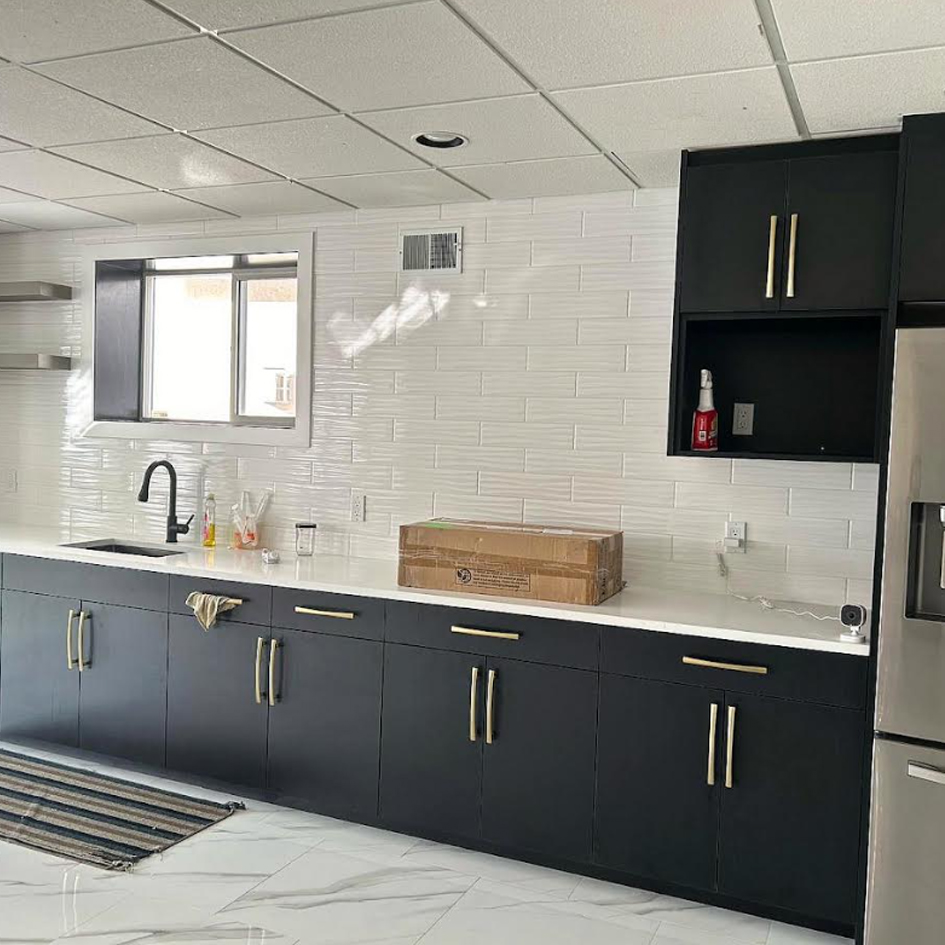
When planning a renovation or new build, homeowners often choose countertops and flooring separately. While each element may look great on its own, the real magic happens when they work together. Matching countertops with flooring is one of the most important design decisions you can make it directly affects the flow, balance, and overall feel of your space.
At Bakir Contracting, we help homeowners across Alberta create interiors that feel intentional, functional, and visually cohesive. Whether you’re upgrading your kitchen, bathroom, or entire home, understanding how countertops and flooring interact will help you avoid costly design mistakes and achieve a timeless result.
In this guide, we’ll walk you through everything you need to know about pairing countertops with flooring—from color and texture to room-specific tips and professional insights.
Why Coordinating Countertops and Flooring Matters?
Countertops and flooring are two of the largest visual surfaces in any room. When they clash, the space can feel disjointed or overwhelming. When they complement each other, the room feels polished, balanced, and thoughtfully designed.
A cohesive pairing can:
-
Create visual flow between rooms
-
Enhance natural light
-
Make spaces feel larger and more inviting
-
Increase overall home value
-
Improve long-term satisfaction with your renovation
This is especially important in open-concept layouts, where kitchens, dining areas, and living spaces flow together. If you’re considering a full kitchen upgrade, our guide on the process of kitchen remodeling explains why early design coordination is key to success.
Key Factors to Consider When Matching Countertops and Flooring
1. Establishing the Right Color Palette
Color is the foundation of a cohesive design. Start by deciding whether you want a harmonious or high-contrast look.
Complementary color schemes work well for creating calm, balanced spaces. For example:
-
Warm wood flooring paired with beige, cream, or soft gray countertops
-
Cool gray flooring matched with white or lightly veined quartz
Contrasting combinations add drama and definition:
-
Dark floors with light countertops create visual separation
-
Light floors with bold or dark countertops draw attention upward
Always consider undertones—warm, cool, or neutral. Matching undertones prevents colors from clashing, even when they’re different shades.
If you’re still exploring flooring options, our article on laminate flooring and what makes it an ideal choice for homes explains how color variation and realism impact overall design.
2. Balancing Texture and Pattern
Texture plays a major role in how a room feels—not just how it looks.
-
Smooth countertops (quartz, polished granite) pair beautifully with textured floors like hardwood or stone.
-
Subtle countertop patterns work best with simpler flooring to avoid visual overload.
-
Bold veining or dramatic stone should be balanced with understated floors.
A good rule of thumb:
If one surface is visually busy, let the other stay calm.
This balance is particularly important in kitchens, where multiple materials compete for attention. For inspiration, explore innovative kitchen renovation ideas to transform your home.
3. Aligning Style and Design Aesthetic
Your home’s architectural style should guide your material choices.
Modern & contemporary homes
-
Large-format tile or polished concrete floors
-
Solid-color quartz or minimal-vein countertops
Traditional or transitional homes
-
Hardwood or wood-look flooring
-
Granite or natural stone countertops
Rustic or farmhouse designs
-
Wide-plank wood or distressed flooring
-
Warm stone or butcher-block style counters
Consistency in style creates a sense of intention. Mixing ultra-modern countertops with rustic flooring can feel disconnected unless done very carefully with professional guidance.
If you’re updating multiple spaces, our post on latest trends in Edmonton home renovations highlights how homeowners are blending styles while maintaining cohesion.
4. Considering Lighting and Natural Exposure
Lighting dramatically changes how materials appear throughout the day.
-
Dark countertops can feel heavier in low-light rooms
-
Glossy floors reflect light but may create glare
-
Natural light can soften strong contrasts
Always view samples in the actual space where they’ll be installed. What looks perfect in a showroom may appear completely different in your home.
Lighting considerations are also crucial in bathrooms. If you’re planning one, check out tips for planning your perfect bathroom renovation for design and layout insights.
Matching Countertops with Different Flooring Types
Hardwood Flooring
Hardwood floors bring warmth and character, making them incredibly versatile.
Best pairings include:
-
Natural stone countertops for timeless elegance
-
Quartz countertops for a modern twist
-
Lighter countertops to balance darker wood tones
Avoid matching wood floors with wood-grain countertops—it can feel repetitive rather than cohesive.
Tile Flooring
Tile flooring is durable and ideal for kitchens and bathrooms.
Design tips:
-
Pair tile floors with quartz or granite countertops for durability
-
Coordinate grout color with countertop tones for a seamless look
-
Use contrast carefully—patterned tile works best with simpler counters
If you’re choosing tile for kitchen use, our guide on what kind of flooring is best for a kitchen can help narrow your options.
Vinyl Flooring
Modern vinyl flooring offers impressive style flexibility.
Why it works well:
-
Available in wood, stone, and concrete looks
-
Pairs easily with quartz, laminate, or solid-surface countertops
-
Budget-friendly without sacrificing aesthetics
For a deeper look, read vinyl flooring in St. Albert: a complete guide.
Carpeted Areas
While less common in kitchens, carpet may border open spaces.
Best practices:
-
Stick to neutral countertops
-
Avoid busy patterns that compete with carpet texture
-
Use solid surfaces to maintain visual clarity
Smooth transitions between rooms help maintain flow in open-concept homes.
Transform Your Home with Bakir Contracting
Matching countertops with flooring isn’t just about aesthetics—it’s about creating a home that feels balanced, comfortable, and intentional. With the right guidance, materials, and planning, your space can look cohesive today and remain timeless for years to come.
At Bakir Contracting, we specialize in flooring, countertops, kitchen renovations, and full-home transformations across Alberta. Whether you’re upgrading one room or planning a complete remodel, our team is here to guide you every step of the way.
Explore more ideas in transform your home with Bakir Contracting or reach out today to start your next project with confidence.
Conclusion
Matching countertops with flooring is one of the most impactful decisions you’ll make when designing or renovating your home. When these elements are thoughtfully coordinated, they create visual harmony, enhance functionality, and elevate the overall look and feel of your space. By carefully considering color palettes, textures, lighting, and your home’s architectural style, you can achieve a design that feels cohesive, timeless, and uniquely yours.
Whether you’re planning a kitchen remodel, bathroom upgrade, or a full home renovation, professional guidance makes all the difference. Bakir Contracting brings experience, craftsmanship, and attention to detail to every project—ensuring your countertops and flooring work together beautifully from day one.
Contact Bakir Contracting today to discuss your renovation goals and discover how our expert team can help you create a cohesive, stylish, and functional home you’ll love for years to come.
FAQs
1. Should countertops and flooring be the same color?
A. No, countertops and flooring do not need to be the same color. In fact, using different but complementary colors often creates a more balanced and visually appealing design. The key is matching undertones—warm with warm or cool with cool—to maintain harmony.
2. What comes first when designing a space: countertops or flooring?
A. Typically, flooring is chosen first because it covers a larger area and sets the overall tone of the space. Countertops can then be selected to complement the flooring, cabinetry, and wall colors.
3. Can dark countertops work with dark flooring?
A. Yes, but careful planning is essential. To avoid a heavy or closed-in feel, ensure the space has ample lighting and lighter elements such as cabinets, backsplashes, or walls to balance the darker surfaces.
4. How do I match countertops and flooring in an open-concept layout?
A. Consistency is key in open-concept homes. Use the same or similar flooring throughout connected areas and choose countertops that complement the flooring while coordinating with cabinetry and fixtures for a seamless flow.
5. What countertop material works best with vinyl flooring?
A. Quartz, solid-surface, and laminate countertops pair exceptionally well with vinyl flooring. Matching undertones between the two materials helps create a cohesive and modern appearance.
6. Should patterns be used on both countertops and flooring?
A. It’s best to limit bold patterns to one surface. If your countertop has dramatic veining or patterns, opt for simpler flooring. This balance prevents the space from feeling visually overwhelming.
7. Why should I work with a professional contractor?
A. A professional contractor helps you avoid costly mistakes, ensures materials work well together, and delivers a polished finish. Experienced teams like Bakir Contracting provide expert advice, proper installation, and efficient project management from start to finish.



0 Comments