
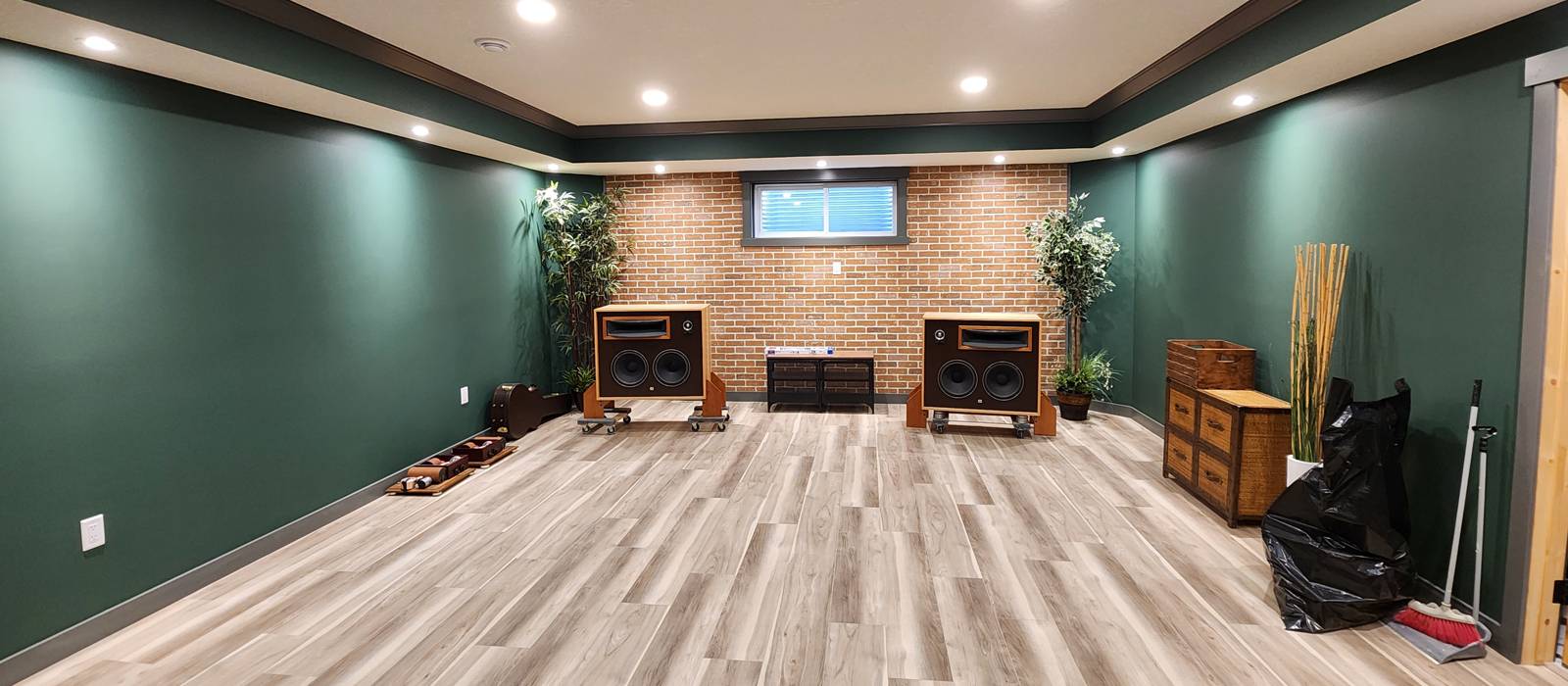
Flooring plays a much bigger role in a home than many homeowners initially realize. It affects not only how a space looks, but also how it feels, functions, and holds up over time. With so many flooring materials available today hardwood, tile, vinyl, carpet, and more it can be challenging to decide which option strikes the right balance between beauty, durability, and cost.
One flooring solution that continues to grow in popularity among homeowners across Alberta is laminate flooring. Thanks to advancements in manufacturing, laminate has evolved into a stylish, practical, and budget-friendly option that works well in a wide variety of homes. Whether you’re renovating a single room or upgrading your entire house, laminate flooring offers a compelling combination of performance and design flexibility.
In this guide, we’ll take a closer look at what laminate flooring is, how it’s made, and why it has become such an ideal choice for modern homes. We’ll also explore where it works best, how it compares to other flooring types, and what to consider before installation.
Understanding Laminate Flooring
Laminate flooring is a multi-layered synthetic product designed to replicate the appearance of natural materials such as hardwood, stone, or tile. Unlike solid wood flooring, laminate is engineered for consistency, stability, and durability qualities that are especially important in busy households.
The Layers That Make Laminate Flooring Strong
Laminate flooring typically consists of four core layers, each serving a specific purpose:
1. Wear Layer
The topmost layer is a clear, protective coating that shields the floor from scratches, stains, fading, and everyday wear. This is what makes laminate particularly well-suited for high-traffic areas like living rooms, hallways, and family spaces.
2. Design Layer
Beneath the wear layer is a high-resolution photographic layer. This is where laminate truly shines. Modern printing technology allows laminate planks to closely mimic the grain patterns, textures, and colors of real wood or stone.
3. Core Layer
The core is usually made from high-density fiberboard (HDF), which provides structural strength and impact resistance. This layer gives laminate its solid feel underfoot while offering better dimensional stability than many natural materials.
4. Backing Layer
The bottom layer adds stability and helps protect against moisture from below. It also prevents warping and contributes to the floor’s overall durability.
Together, these layers create a flooring system that is attractive, tough, and dependable.
Why Laminate Flooring Is a Smart Choice for Homeowners
Laminate flooring offers several advantages that make it an ideal option for homeowners who want both style and practicality.
Cost-Effective Without Compromising Style
One of the biggest reasons homeowners choose laminate flooring is affordability. Laminate delivers the look of hardwood or stone at a fraction of the cost, making it an excellent choice for renovations where budget matters.
For homeowners planning large-scale upgrades such as full home renovations or open-concept remodels laminate flooring helps control costs without sacrificing visual impact. This makes it especially appealing when paired with other renovation projects like kitchen or bathroom upgrades.
If you’re weighing flooring options for renovation-heavy areas, you may also find it helpful to explore what kind of flooring works best for kitchens, where durability and moisture resistance are key considerations.
Durable Enough for Busy Homes
Laminate flooring is designed to withstand the realities of everyday life. It resists:
-
Scratches from pets and furniture
-
Dents from dropped items
-
Fading caused by sunlight
-
General wear from foot traffic
This makes it an excellent choice for families with children, pet owners, and homeowners who want long-lasting flooring without constant upkeep.
Compared to traditional hardwood, laminate is far more forgiving in high-use spaces, making it a practical solution for living rooms, bedrooms, and even finished basements.
Design Versatility That Fits Any Home Style
One of laminate flooring’s greatest strengths is its versatility. No matter your interior design preference, there’s likely a laminate option that fits your vision.
Wide Range of Looks and Finishes
Laminate flooring is available in styles that mimic:
-
Classic oak, maple, or walnut hardwood
-
Rustic reclaimed wood
-
Modern grey or whitewashed planks
-
Stone or tile-inspired textures
This flexibility allows homeowners to match their flooring seamlessly with cabinetry, wall finishes, and décor choices especially in spaces undergoing major renovations.
If your project includes flooring upgrades alongside cabinetry and layout changes, laminate pairs well with modern renovation concepts discussed in kitchen remodeling processes and planning.
Consistent Appearance Throughout the Home
Unlike natural wood, which can vary significantly from plank to plank, laminate offers a more consistent look. This uniformity is ideal for open-concept layouts, where continuity between rooms helps create a cohesive and polished appearance.
Easy Installation and Faster Project Timelines
Laminate flooring is known for its efficient installation process, which can save both time and labor costs.
Click-Lock Technology
Most laminate products feature a click-lock or floating floor system. This means planks lock together without nails or glue and sit above the subfloor rather than being permanently attached.
Benefits of this system include:
-
Faster installation timelines
-
Minimal disruption to the home
-
Easier replacement of individual planks if needed
For homeowners coordinating flooring installation alongside other renovations such as drywall work or wall finishing this efficiency can be a major advantage. Proper preparation is essential, especially when floors meet newly finished walls or ceilings, as outlined in guide on preparing homes for drywall installation.
Low Maintenance for Everyday Living
Another major reason laminate flooring is ideal for homes is how easy it is to maintain.
Simple Cleaning Routine
Laminate floors require minimal effort to keep them looking great:
-
Regular sweeping or vacuuming removes dirt and debris
-
Occasional damp mopping handles spills and light stains
-
No waxing, polishing, or refinishing required
This makes laminate an excellent option for homeowners who want stylish floors without high maintenance demands.
Long-Lasting Appearance
With proper care, laminate flooring maintains its appearance for many years. Protective pads under furniture, prompt cleanup of spills, and basic cleaning habits go a long way in preserving its finish.
Moisture Resistance and Where Laminate Works Best
Laminate flooring offers moderate moisture resistance, which makes it suitable for many but not all areas of the home.
Ideal Areas for Laminate Flooring
Laminate performs especially well in:
-
Living rooms
-
Bedrooms
-
Home offices
-
Dining areas
-
Hallways
Some newer laminate products are designed with enhanced water resistance, making them suitable for kitchens and entryways when installed correctly.
For spaces with higher moisture exposure, homeowners often compare laminate to alternatives like vinyl flooring. If you’re considering both, this complete guide to vinyl flooring can help clarify the differences.
Areas to Avoid (or Approach Carefully)
Traditional laminate is not recommended for:
-
Full bathrooms
-
Laundry rooms with frequent standing water
-
Areas prone to flooding
In such spaces, water-resistant or waterproof flooring options may be a better fit.
Comfort and Sound Considerations
Laminate flooring is designed for performance, but comfort also plays an important role.
Underlayment Makes a Difference
A quality underlayment installed beneath laminate flooring provides:
-
Improved sound absorption
-
Added comfort underfoot
-
Better moisture protection
This is especially important in multi-level homes or condos, where noise reduction between floors matters.
Environmentally Conscious Flooring Choice
Modern laminate flooring has become increasingly eco-friendly.
Sustainable Manufacturing Practices
Many manufacturers now use:
-
Recycled wood fibers
-
Low-VOC adhesives and finishes
-
Certified sustainable sourcing
This helps reduce environmental impact while maintaining indoor air quality an important consideration for families and allergy-sensitive homeowners.
Laminate Flooring vs. Other Flooring Options
When comparing laminate to other flooring materials, its balanced performance becomes clear.
-
Vs. Hardwood: More affordable, easier to maintain, and more resistant to scratches
-
Vs. Carpet: Cleaner, more durable, and better for allergy-friendly homes
-
Vs. Tile: Warmer underfoot and easier to install
-
Vs. Vinyl: Slightly less water-resistant but often offers a more natural wood appearance
Each option has its place, but laminate stands out for homeowners seeking versatility and value.
Common Mistakes to Avoid with Laminate Flooring
Even a high-quality floor can underperform if installed or used incorrectly. Some common mistakes include:
-
Skipping expansion gaps around walls
-
Installing laminate over uneven subfloors
-
Using excessive water during cleaning
-
Choosing the wrong underlayment
Avoiding these pitfalls is part of ensuring long-term success much like avoiding costly errors in other home improvement projects. Homeowners planning renovations may find it helpful to review common renovation mistakes to steer clear of issues that impact both flooring and overall results.
Why Professional Installation Matters?
While laminate flooring can be DIY-friendly, professional installation ensures:
-
Proper subfloor preparation
-
Correct expansion spacing
-
Seamless transitions between rooms
-
A polished, long-lasting finish
Experienced contractors understand how flooring integrates with walls, trim, and other renovation elements, delivering results that look great and perform well over time.
Final Thoughts
Laminate flooring continues to be a top choice for homeowners because it successfully balances affordability, durability, and design flexibility. Its ability to mimic natural materials, resist everyday wear, and adapt to a wide range of interior styles makes it an excellent option for modern living.
Whether you’re upgrading a single room or planning a full renovation, laminate flooring offers a practical and attractive solution that fits today’s lifestyles. With the right product selection and professional installation, it can enhance your home’s comfort, value, and visual appeal for years to come.
If you’re exploring flooring upgrades as part of a larger renovation, working with experienced professionals ensures every detail from subfloor preparation to final finishes is handled with care and precision.
Frequently Asked Questions About Laminate Flooring
1. What is laminate flooring made of?
A. Laminate flooring is made of multiple layers, including a protective wear layer, a high-resolution design layer, a durable high-density fiberboard (HDF) core, and a stabilizing backing layer. Together, these layers create a strong, visually appealing flooring option that mimics natural materials like hardwood or stone.
2. Is laminate flooring durable enough for busy households?
A. Yes, laminate flooring is highly durable and designed to withstand everyday wear and tear. It resists scratches, dents, and fading, making it an excellent choice for homes with children, pets, and high foot traffic areas.
3. Can laminate flooring look like real hardwood?
A. Absolutely. Modern laminate flooring uses advanced imaging technology to closely replicate the look and texture of real hardwood, stone, or tile. Many options are so realistic that it’s difficult to tell the difference at first glance.
4. Is laminate flooring waterproof?
A. Standard laminate flooring is moisture-resistant but not fully waterproof. While it can handle minor spills if cleaned promptly, it’s not recommended for areas with frequent standing water unless you choose a water-resistant or waterproof laminate product.
5. Where can laminate flooring be installed in a home?
A. Laminate flooring works well in living rooms, bedrooms, dining areas, hallways, and home offices. Some water-resistant laminate options are also suitable for kitchens and entryways when properly installed.
6. How easy is laminate flooring to maintain?
A. Laminate flooring is very low maintenance. Regular sweeping or vacuuming and occasional damp mopping are usually enough to keep it clean. It doesn’t require waxing, polishing, or refinishing like traditional hardwood floors.
7. Does laminate flooring need professional installation?
A. While laminate flooring can be installed as a DIY project, professional installation is recommended for the best results. Professionals ensure proper subfloor preparation, correct expansion gaps, and a seamless finish that helps extend the life of the flooring.
8. How long does laminate flooring typically last?
A. With proper installation and care, laminate flooring can last 15–25 years or more, depending on the quality of the product and the level of foot traffic in the home.
9. Is laminate flooring a good option for renovations?
A. Yes, laminate flooring is an excellent choice for renovations due to its affordability, quick installation, and wide range of design options. It allows homeowners to refresh their space without significantly increasing renovation costs.
10. Is laminate flooring environmentally friendly?
A. Many modern laminate flooring products are made using recycled materials and low-VOC finishes. When sourced responsibly, laminate can be a more environmentally conscious flooring option compared to some traditional materials.


0 Comments